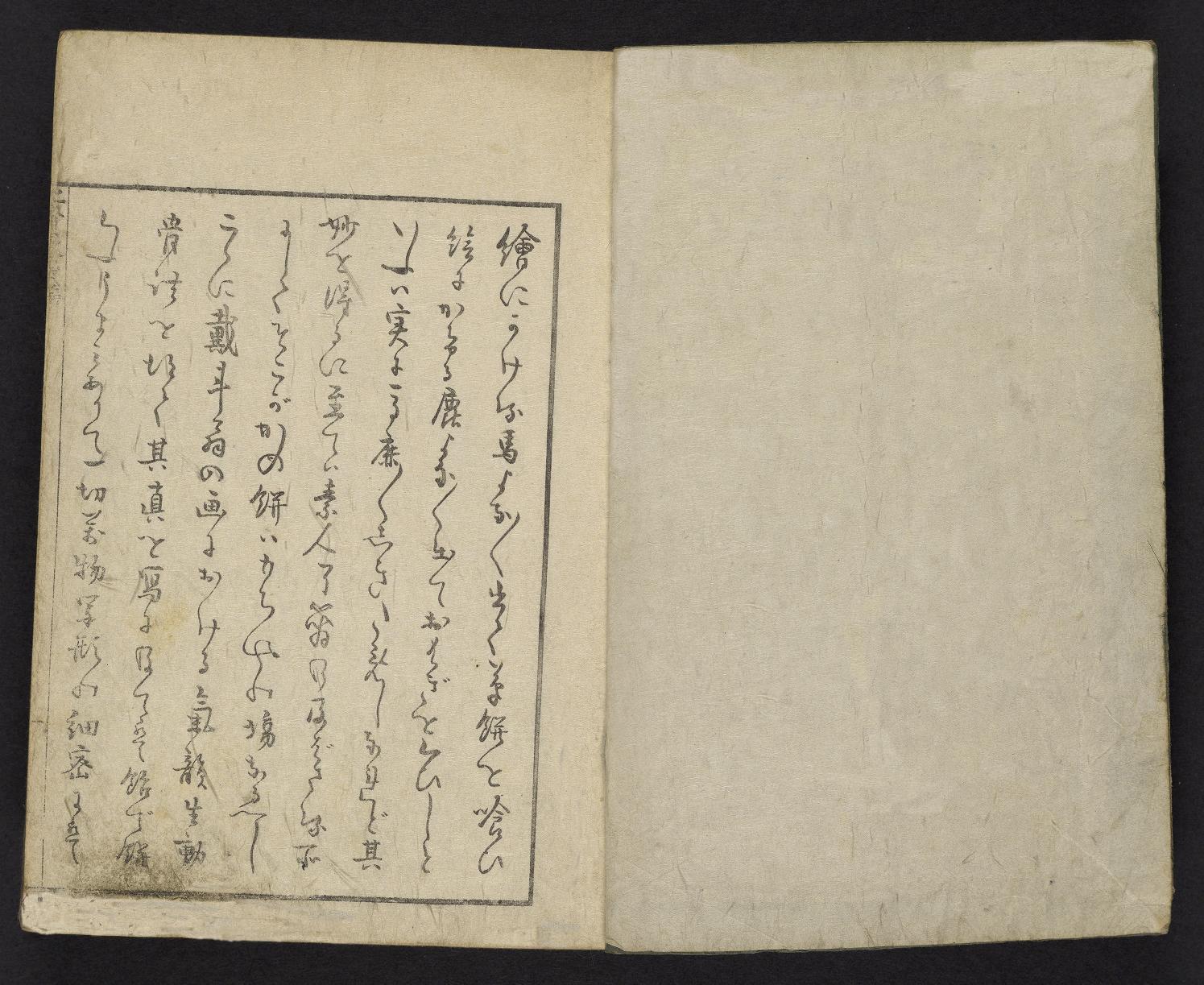
伝神開手 北斎漫画六編
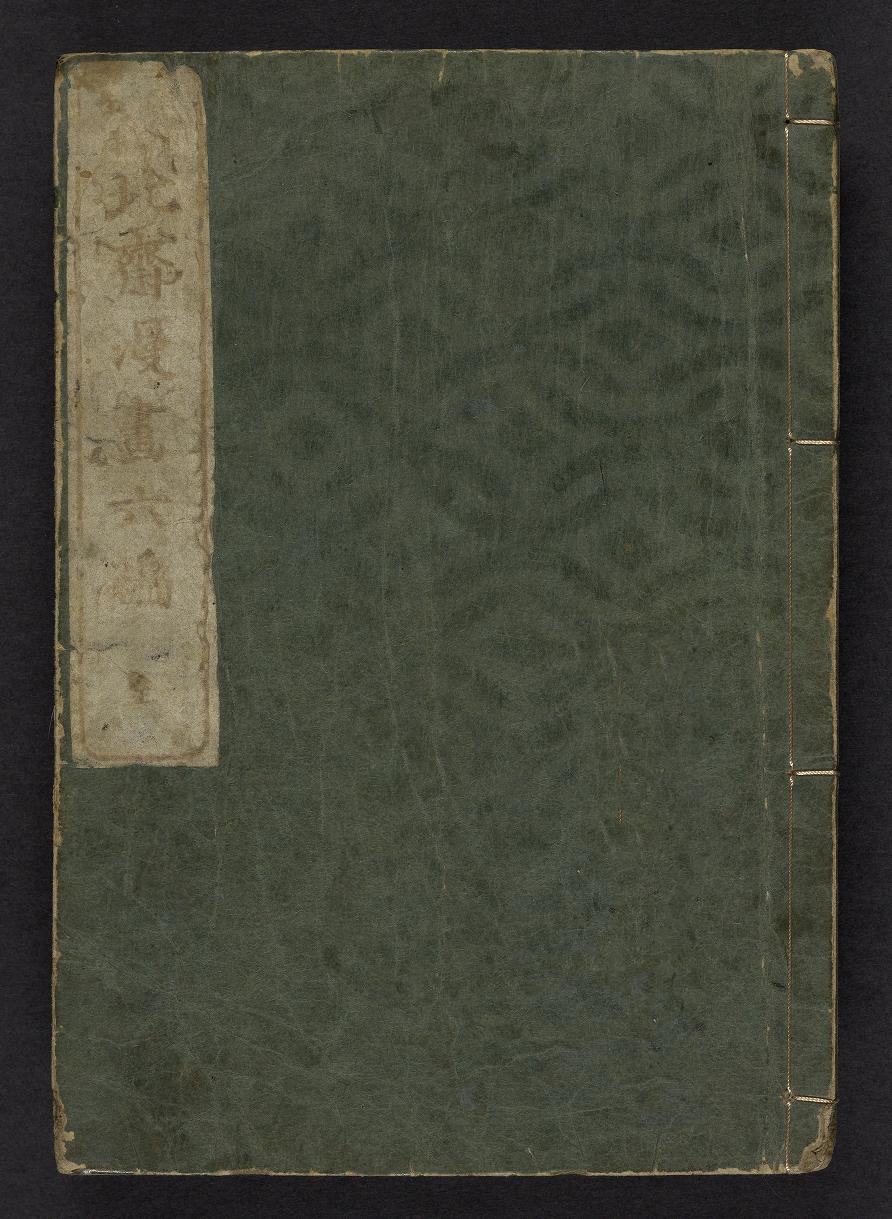
Denshin Kaishu: Hokusai Manga, Roku-hen Volume 6
- Author:
- Katsushika Hokusai (葛飾北斎)
- Category:
- Weapons
- Collection:
- Robert C. Gruzanski Collection
Description
The Duel (third picture in the gallery)
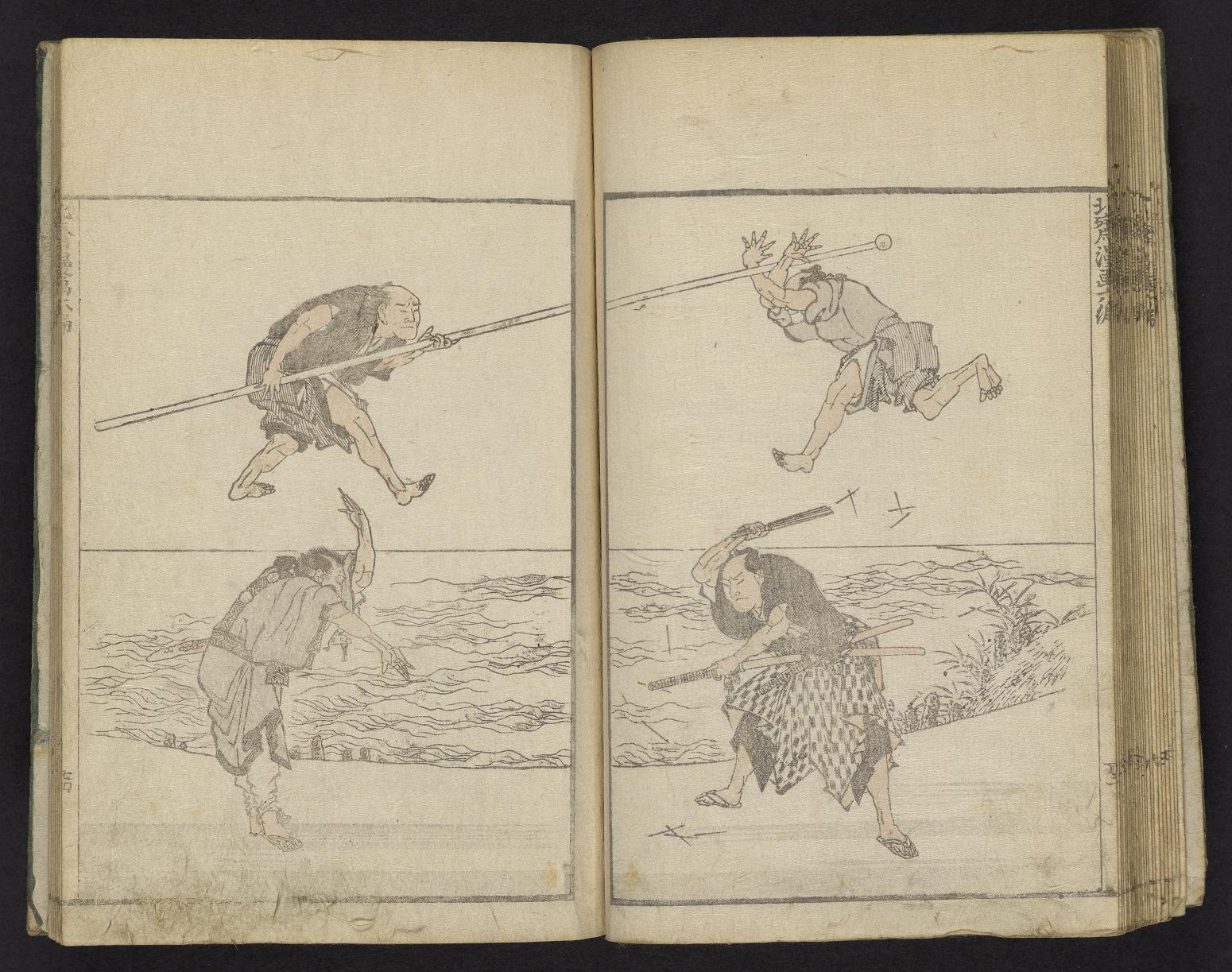
The scene you’re looking at is a masterclass in Edo-period martial storytelling. It depicts a legendary (though likely fictional) encounter between two famous figures of the era: the master swordsman Yagyu Jubei and the projectile specialist Mori Gentatsu.
The Combatants
- The Defender (Right): This is Yagyu Jubei Mitsuyoshi, one of Japan’s most famous samurai. He is often depicted wearing an eyepatch in later fiction, but here Hokusai shows him in a classic “two-sword” (daisho) stance.
- The Attacker (Left): This is Mori Gentatsu, a warrior renowned for his skill in shurikenjutsu. In martial arts lore, Gentatsu was famous for a technique called hayai uchi kata (speedy multiple shooting), reportedly able to throw 10 to 12 blades in the time it takes to draw a sword.
The Duel Summary
The duel takes place on a beach, a setting chosen to provide an open area where the range of a projectile could be fully exploited against a swordsman.
- The Barrage: Gentatsu (on the left) is in the middle of a high-speed assault. He is hurling star-shaped shuriken at Jubei with incredible velocity. You can see his body is low and forward-leaning to put maximum power into the throw.
- The Masterful Defense: Rather than drawing his sword, Jubei is using his tessen (iron-ribbed folding fan). This is the ultimate “flex” of a martial master—defending against lethal blades using a non-lethal accessory.
- The Deflection: The “X” marks above Jubei’s head are the shuriken he has already deflected. Hokusai uses these “action lines” to show the blades spinning off harmlessly into the air after being batted away by the iron fan.
- The Result: The image captures the “stalemate” or the moment before the final move. It proves the tactical point that while shuriken are deadly, a master of timing and maai (distance) can neutralize them, forcing the combatants into close-quarters combat.
Why Hokusai Drew It
Hokusai included this because it perfectly demonstrates “frozen motion.” It wasn’t just art; it was a visual study for martial artists to understand body mechanics—how to shift weight during a throw and how to maintain a stable center while defending.
Why Fujita Seiko used this woodblock print in this book
Fujita Seiko included this Hokusai illustration in “Zukai Shurikenjutsu” because it is considered the most famous visual “proof” of shuriken being used in high-level samurai combat, rather than just as a “ninja trick.”
Here are the specific reasons he chose it:
- To Validate “Rapid Fire” Techniques: Fujita’s book focuses heavily on the technical skill of throwing multiple blades in seconds (hayai-uchi). Hokusai’s drawing, with the “X” marks showing multiple blades already in the air and being deflected, perfectly illustrates the high-speed barrage that Fujita taught as a core mastery of the art.
- To Show Shuriken vs. Famous Warriors: By featuring a duel involving Yagyu Jubei—perhaps the most famous swordsman of the Edo period—Fujita was making a point about the legitimacy of the weapon. He used this image to show that even the greatest samurai masters had to train specifically to counter shuriken, proving they were a serious battlefield threat.
- As a Lesson in Tactical Distance (Maai): The image clearly shows the “kill zone” of the shuriken. Fujita used it to teach students that the shuriken’s primary job was to create an opening or a distraction (sekishuriken) before a swordsman could close the distance. Jubei having to use his fan to block them proves that the projectile effectively “stalled” his advance.
- Historical Authority: Fujita Seiko considered himself the “Last Koga Ninja” and was a dedicated historian. By using an 1817 woodblock print by Hokusai (a master of anatomical accuracy), he was providing his readers with a “period-accurate” reference that was far more respected than modern 20th-century drawings.
- The “Iron Fan” Defense: Fujita was also a master of other hidden weapons. The fact that Jubei is using a tessen (iron fan) to deflect the blades allowed Fujita to cross-reference shurikenjutsu with other traditional “soft” defenses, showing how different martial arts disciplines intersected.
Edition details
- Published:
- 01/01/1878
- Publisher:
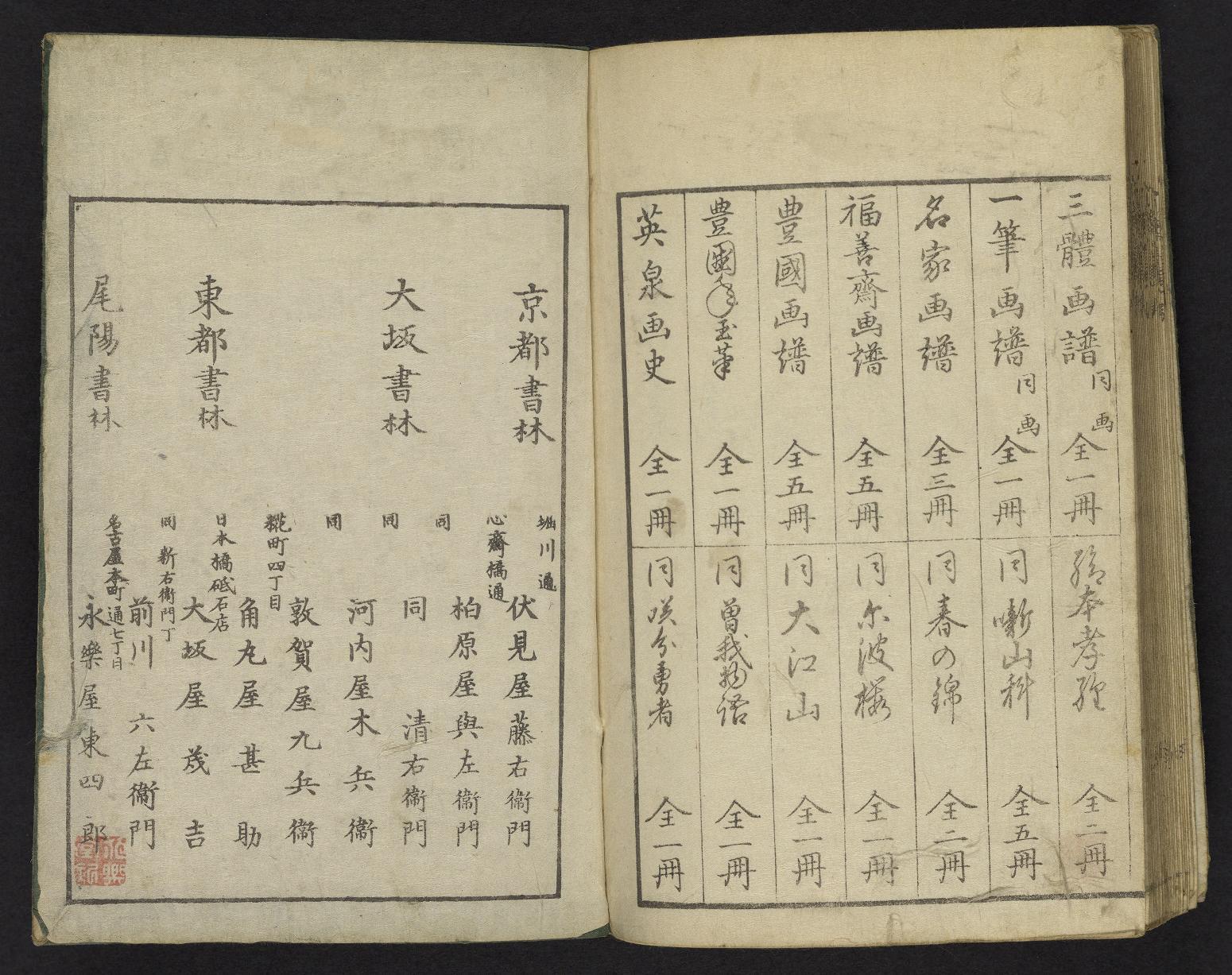
- Eirakuya Tōshirōal so known by the shop name Tōhekidō
- Edition:
-
- • Full Title: Denshin Kaishu Hokusai Manga (伝神開手 北斎漫画), Vol. 6
- • Era Date: Meiji 11 (1878) Printing | Original Block Date: Bunka 14 (1817)
- • Shop Name: Tōhekidō (東壁堂)
- • Artist Signature: Toto gako Katsushika Hokusai hitsu (東都画工 葛飾北斎筆)
- • Signature Translation: "Painted by Katsushika Hokusai, Artist of the Eastern Capital"
- Condition:
- Good