
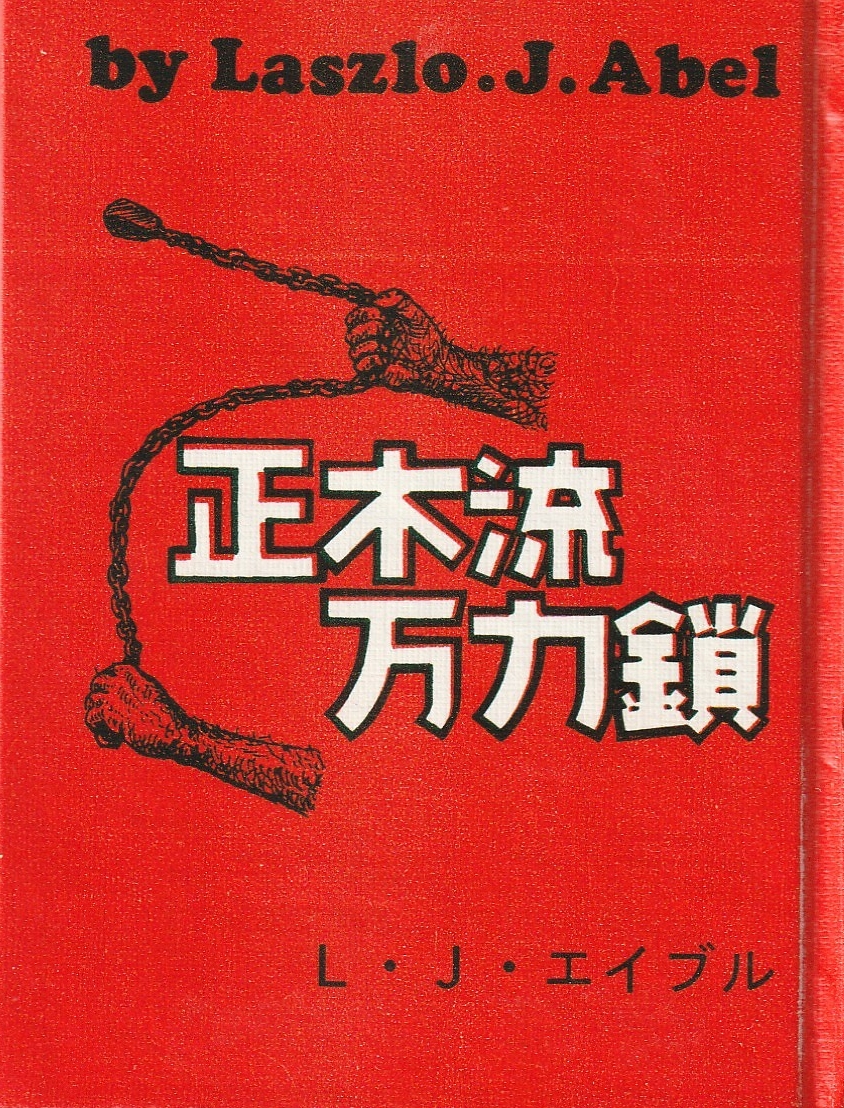
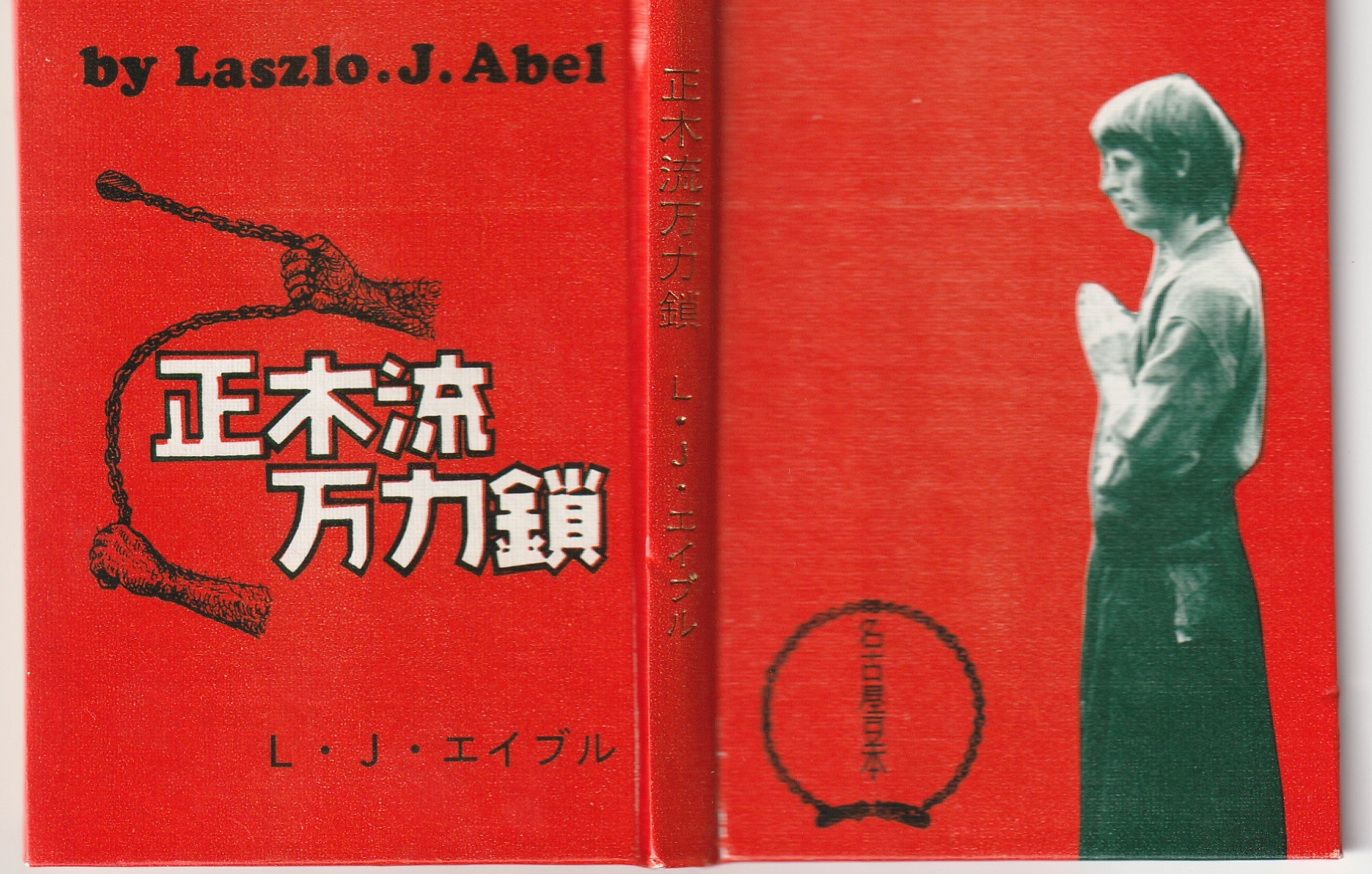
正木流万力鎖
Masaki-ryū Manrikigusari
- Author:
- Laszlo J. Abel (L・J・エイブル)
- Category:
- Weapons
- Collection:
- Robert C. Gruzanski Collection
Description
Volume Overview:
Published as Volume 79 of the historic Nagoya Mamehon series on August 31, 1982, this incredibly scarce miniature hardcover manual serves as an authoritative textual study of Masaki-ryū Manrikigusari—the classical samurai martial art of deploying weighted tactical chains (also known as kusaributsu).
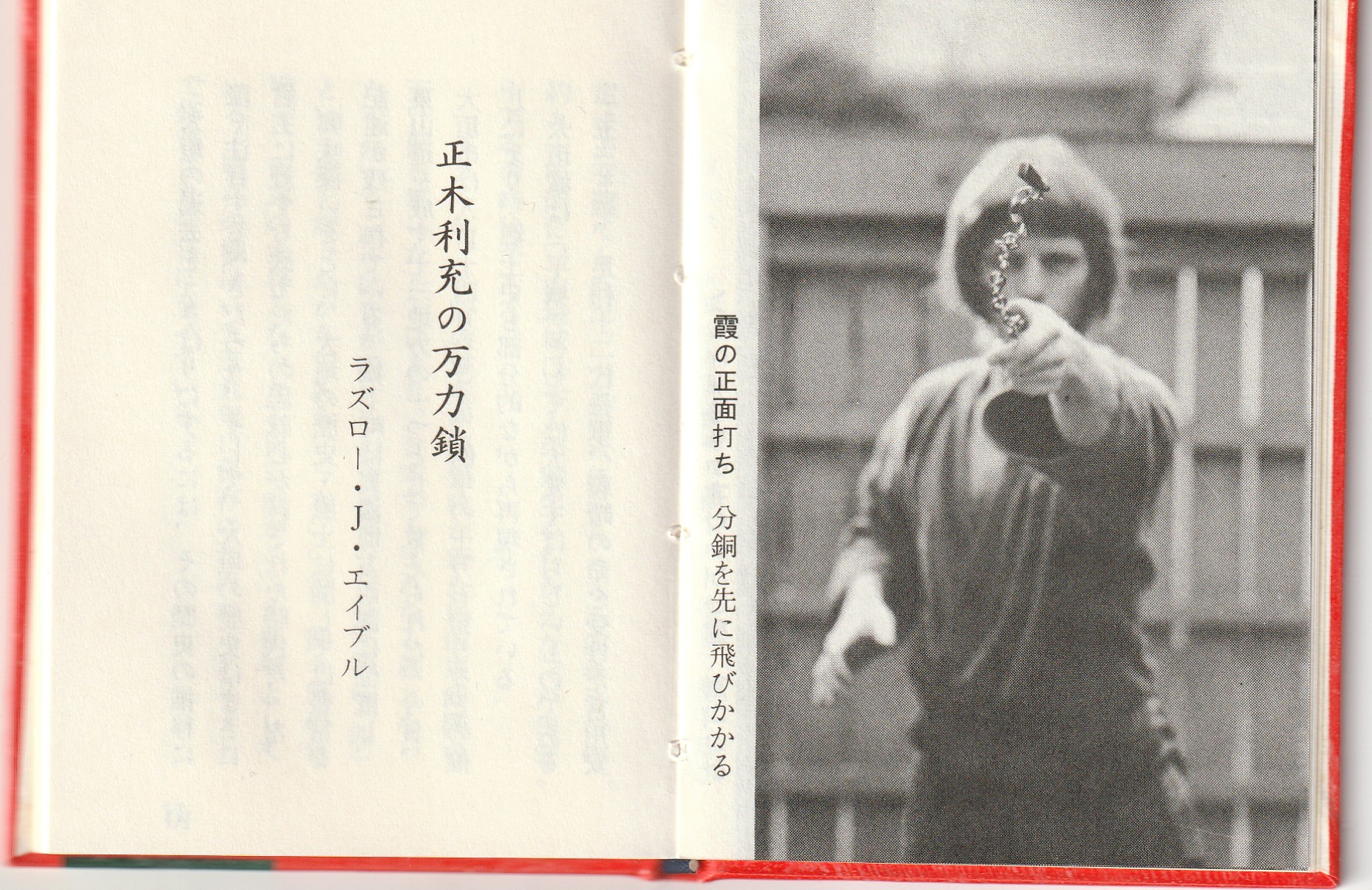
The text acts as an elite technical synthesis, breaking down the mechanical applications, traditional combat postures, and historical lineage transmissions of the school. Rather than utilizing a standard textbook format, this specific manual was printed exclusively as a pocket-sized “mamehon” artifact, making it a highly prized item among international martial arts historians and rare publication collectors alike.
Historical Overview of Masaki-ryū Manrikigusari
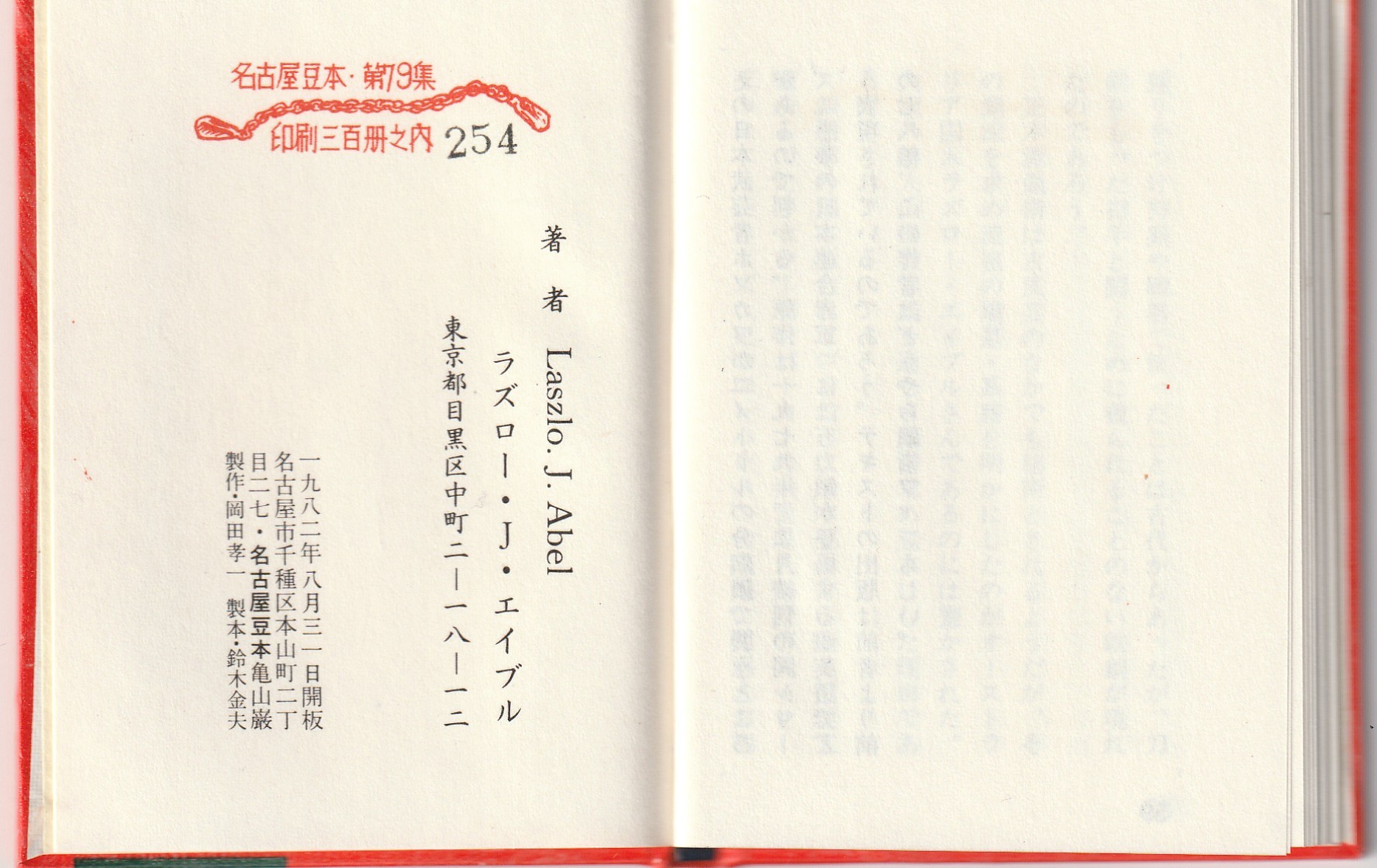
- The Nagoya “Mamehon” Cult Culture: The publisher, Nagoya Mamehon Kameyameyan, wasn’t a standard publisher, but an elite, secretive post-war book arts club. “Mamehon” (literally “bean books”) became a massive, artistic subculture in mid-century Japan. These miniature volumes were printed on authentic luxury fibers, bound entirely by hand using specialized boutique machinery, and sold exclusively through private, member-only subscription registries.
- The Print Run Secret: While the database field records this as a print run of 300, the archival printing notes indicate that nearly 50 of the raw paper blocks were ruined during the complex hand-binding process required for micro-sized hardcovers. As a result, the actual number of completed, numbered copies distributed worldwide is closer to 250, with Copy No. 254 standing as an elite, late-run specimen. This rare study of manrikigusari tactics remains an essential library collection centerpiece.
Rare & Unusual Facts About the Author and Book:
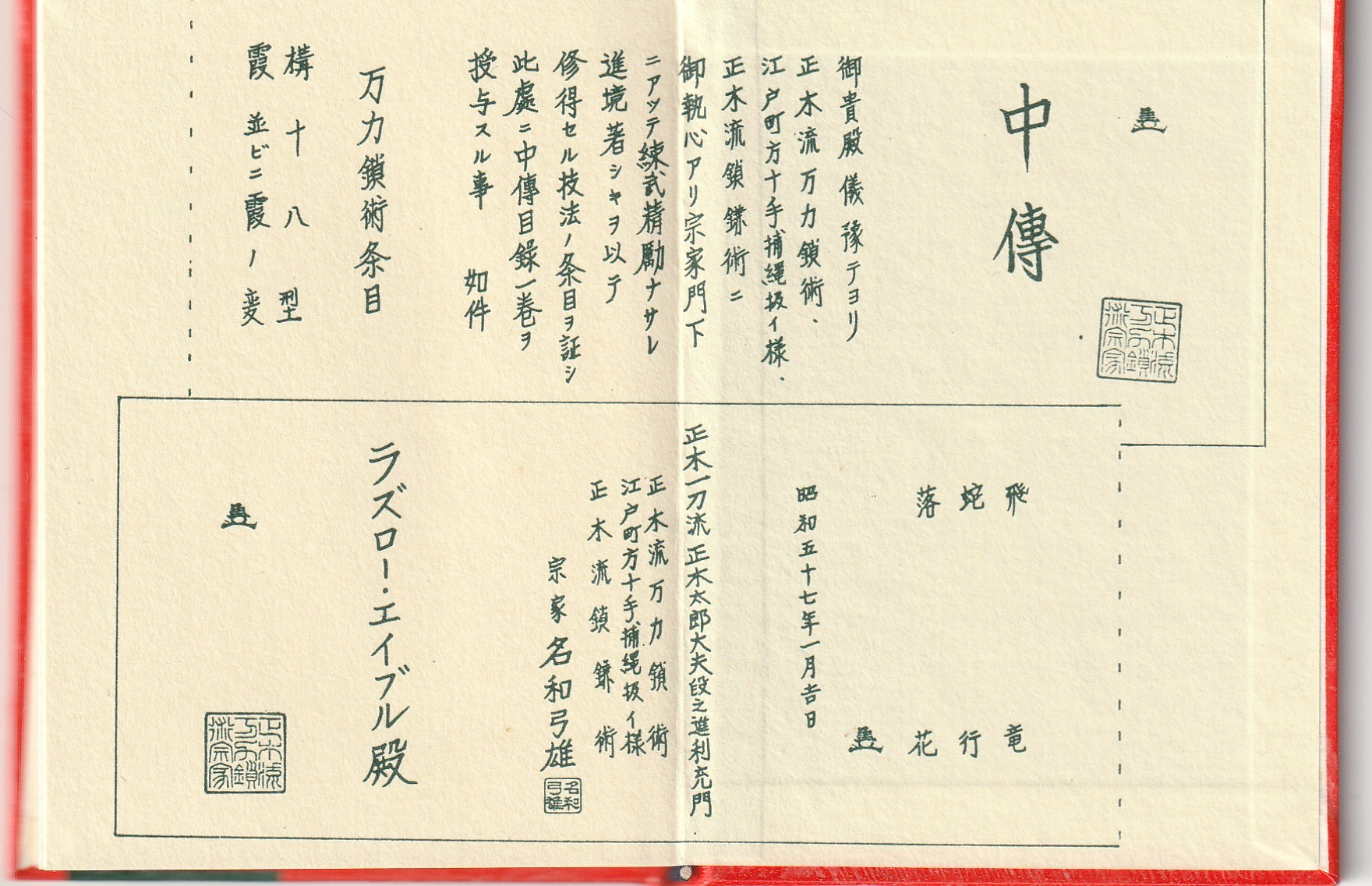
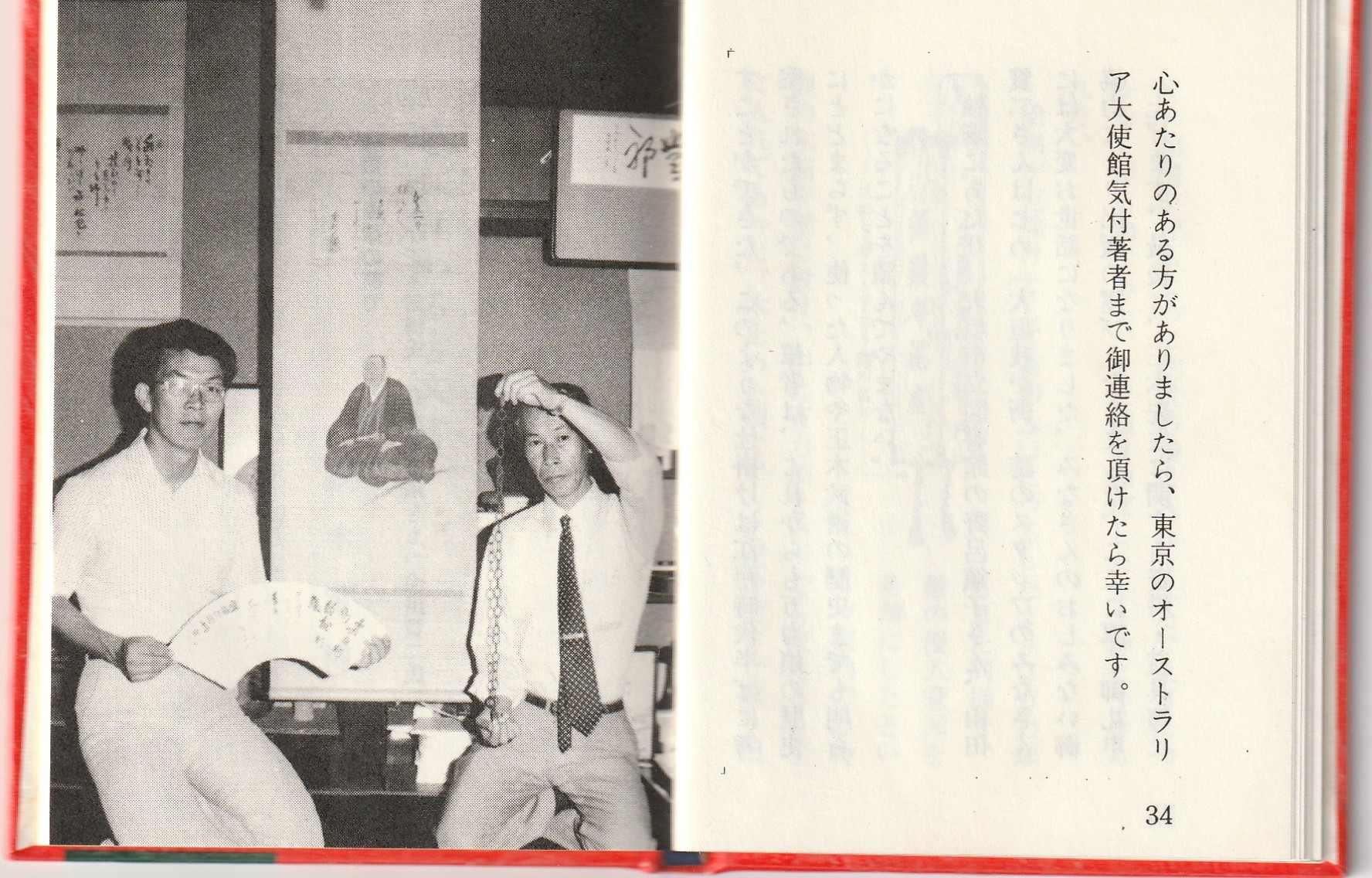
The Sōke’s Verified Lineage: This volume contains foundational primary source contributions directly from Masaki Tsunehiro, a verified direct descendant of the style’s samurai founder, Masaki Tarōdayu Toshimitsu. The documentation preserves authentic historical licensing transfers and genealogical text transmissions (komonjo) preserving the unbroken lineage of the art.
Hidden Technical Diagrams: Because of the micro-scale of this edition, the traditional layout artists had to condense the multi-frame action scrolls of Masaki-ryū down into microscopic geometric frame windows. These specialized layout reductions are studied today by bookbinders as examples of maximizing micro-text visual readability.
The “Ten-Thousand Power” Bloodless Weapon: The system’s foundational philosophy centers on tactical non-lethality. The style was originally engineered by the head sentry of Edo Castle’s gate to entrap, disarm, and subdue intruders without violating the strict imperial taboo against spilling defensive blood directly upon castle grounds.
The International Scholar: The lead author, Laszlo J. Abel (L・J・エイブル), was a prominent early pioneer in documenting classical Japanese weapons traditions for the global research community. His collaborative investigation alongside historical grandmasters bridged the gap between highly isolated Japanese family lineages (ryūha) and early Western martial arts scholarship.
Edition details
- Published:
- 08/31/1982
- Publisher:
- Nagoya Mamehon Kameyamayan
- Edition:
-
- • Series Profile: Volume 79 of the historic Nagoya Mamehon series (名古屋豆本 第79巻)
- • Physical Format: Hardcover miniature collector's edition (Mamehon)
- • Micro Dimensions: Pocket Micro Size (Approx. 10 cm tall / 7.50 cm)
- • Complete Page Count: 59 pages
- • Registry Status: Limited Edition Miniature Book No. 254 of 300
- Condition:
- Good