
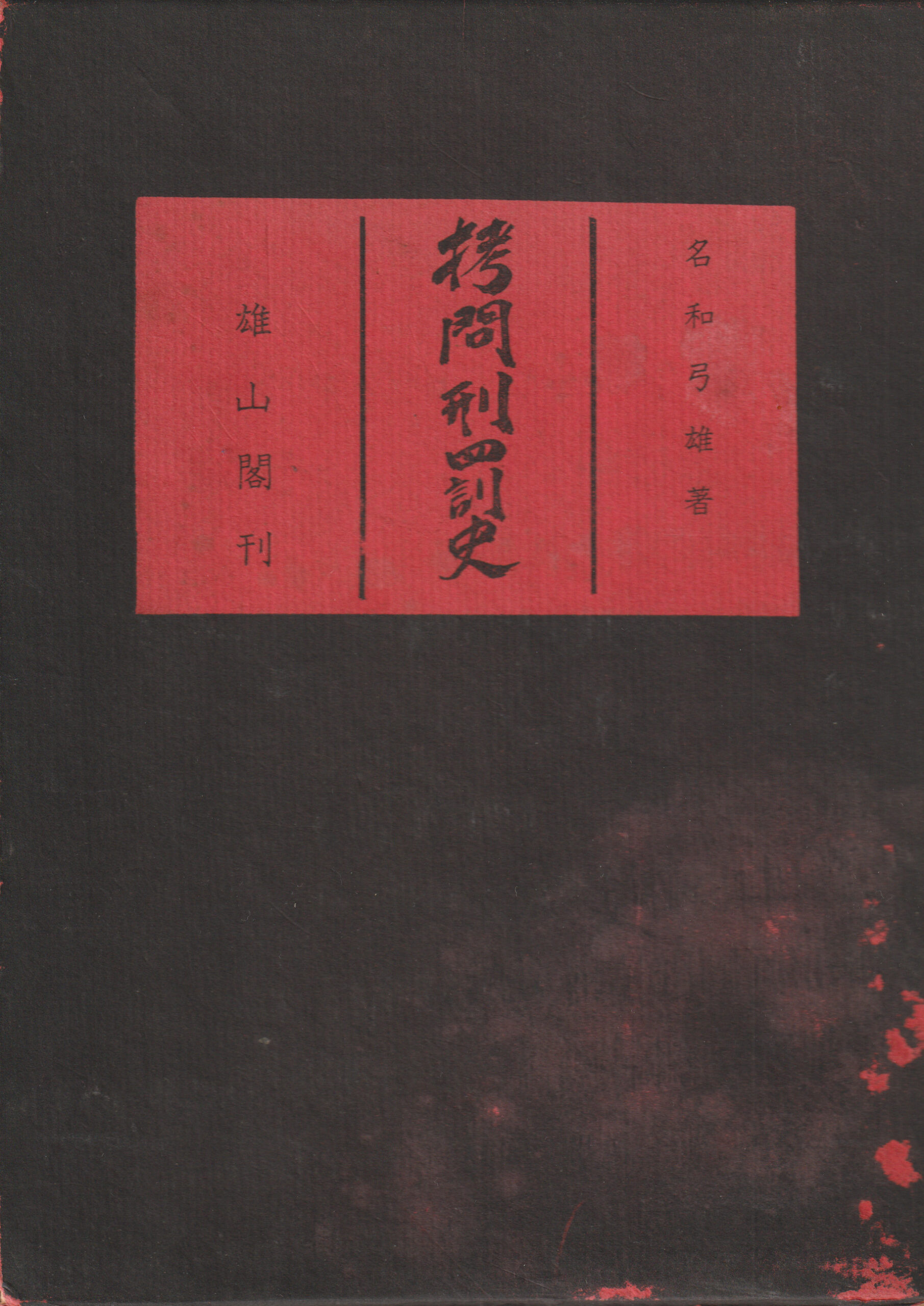
拷問刑罰史
Gomon Keibatsushi
- Author:
- Nawa Yumio (名和弓雄)
- Category:
- Martial Arts
- Collection:
- Robert C. Gruzanski Collection
Description
Reviewing Gomon Keibatsushi
This 1963 true first edition is a seminal text of Japanese penal history, serving as a foundational reference work for early modern arresting arts (taihojutsu), regional law enforcement, and feudal judicial customs. It marks an essential entry point for researchers examining historical state discipline systems.
The book represents a significant milestone in modern martial arts literature by shifting academic focus onto the dark realities of the Edo period’s justice system. Rather than highlighting romanticized warrior combat, the narrative strips away theatrical myths to document the grim operational framework that kept public peace during long centuries of isolation.
Key Features & Content
- The Original Text: Unlike the 1966 “Zōhō” revision which expanded to 282 pages, this rare 1963 first printing contains the original 264-page structure. It outlines the initial scope of Nawa’s lifelong documentation of Edo-period law enforcement protocols.
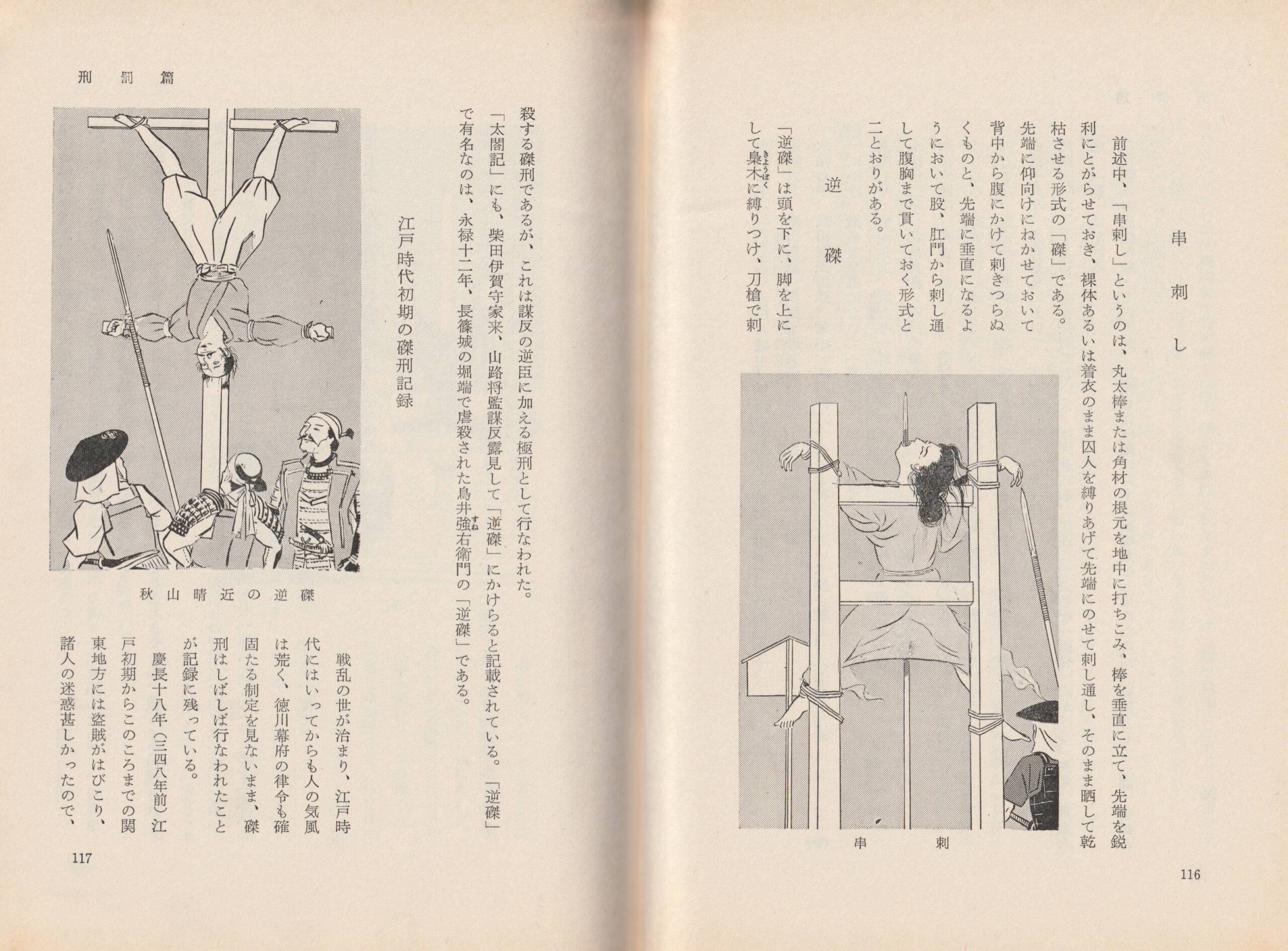
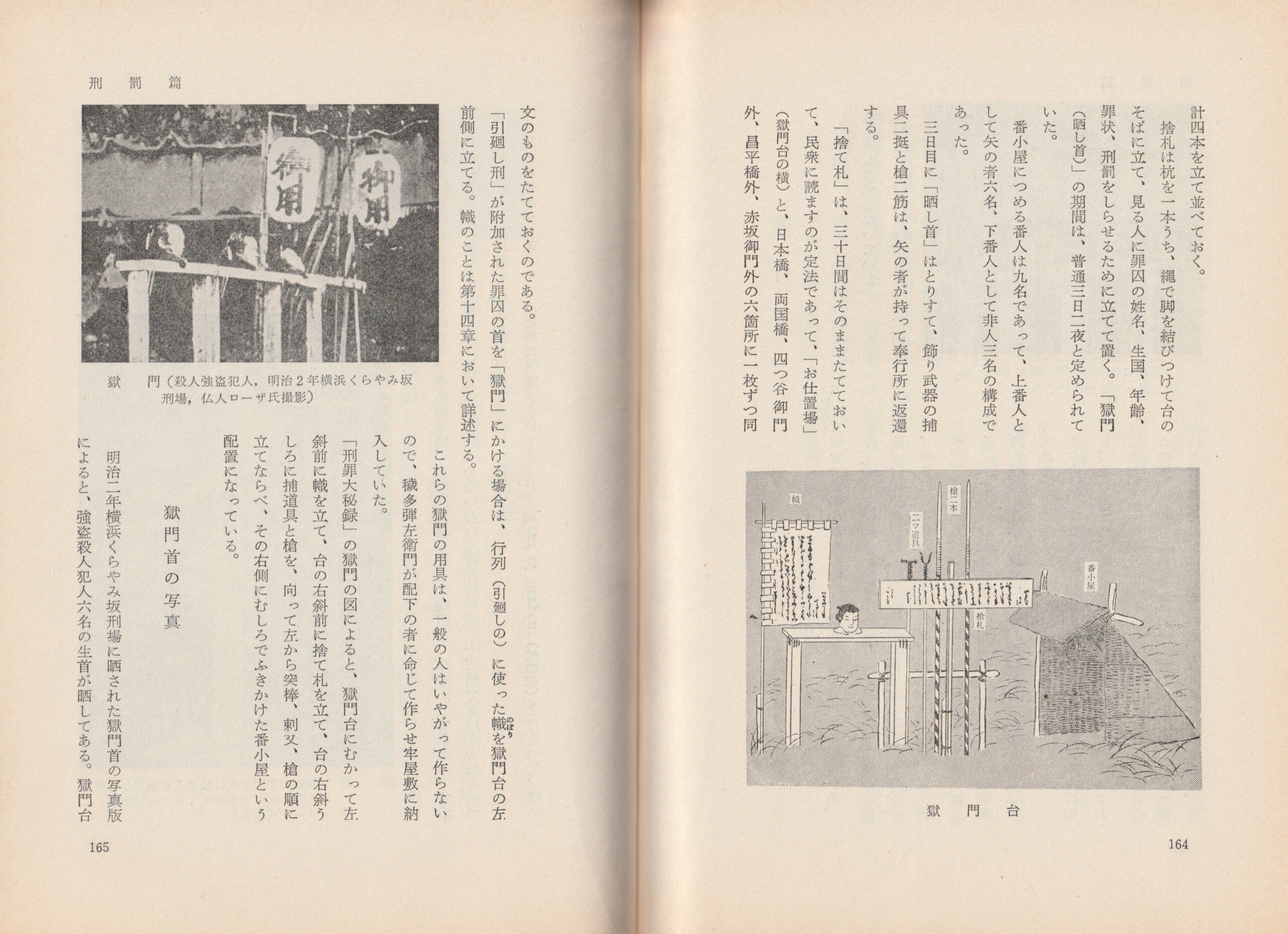
- Meticulous Execution Documentation: The book provides an uncompromising look into historical punitive measures, specifically documenting practices like Gokumon (獄門) (the public display of severed heads) and Hizaguruma (kneeling on sharp slats under heavy stones).
- Rare Photojournalism: Features early, scarce Meiji-period photography from 1869 taken at the Kozukappa execution grounds by a French photographer, capturing the final days of public display systems before modernization.
Rare Facts & Author Lore
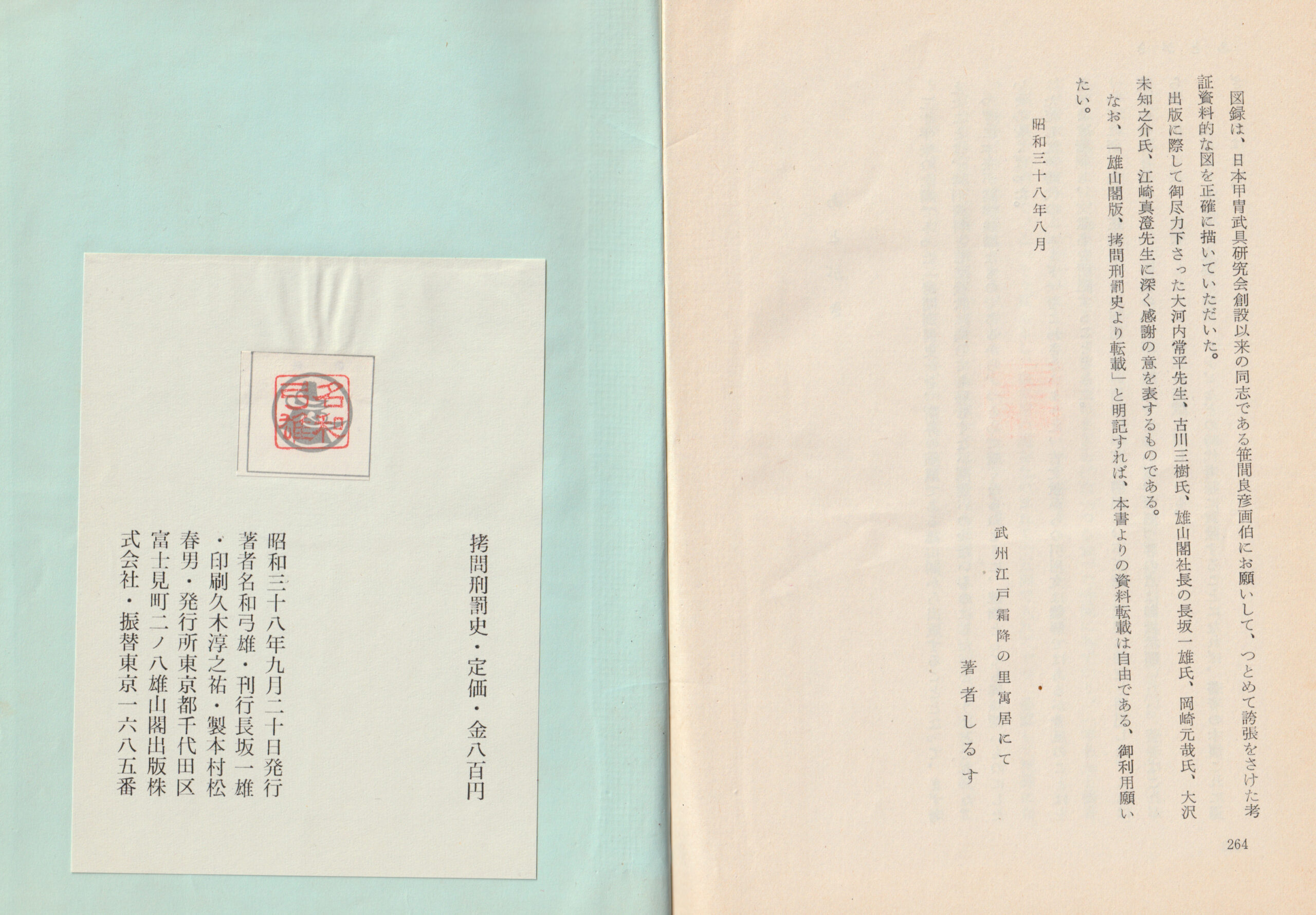
- The Permission Postscript: In the closing pages of Gomon Keibatsushi, Nawa explicitly gives future researchers open permission to duplicate his gathered text and illustrations under one strict, proud condition: they must actively cite “History of Torture and Punishment” to prevent historical misinformation in media.
- Nawa’s First Published Work: This 1963 release marks the absolute beginning of Nawa Yumio’s career as a published author. Prior to this book, his research on weapons and history was confined to private training manuscripts and specialized magazine articles.
- The Distant Writing Retreat: While Nawa lived and worked primarily in central Chiyoda, Tokyo, he actually retreated to a quiet temporary lodging (gūkyo) out in Edogawa, Bushu to escape distractions and finalize this manuscript. He formally signed off on the book’s postscript from this secret writing retreat in August 1963.
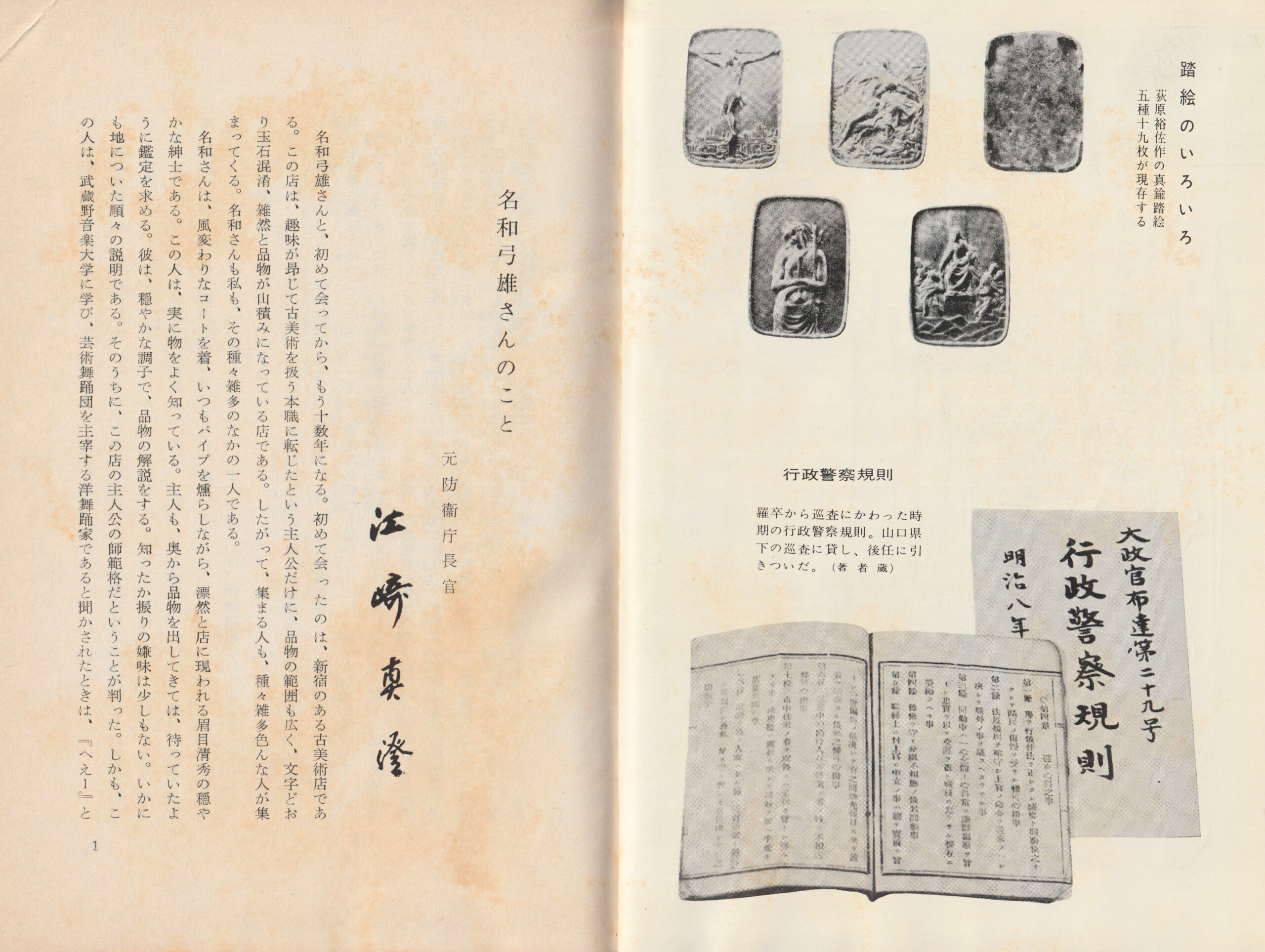
- A Surprising Musical Past: Before becoming a legendary authority on martial arts and a premier period-drama consultant (jidai-kōshō), Nawa Yumio actually graduated from Musashino Academia Musicae and worked professionally as a Western-style ballet dancer (yōbuga).
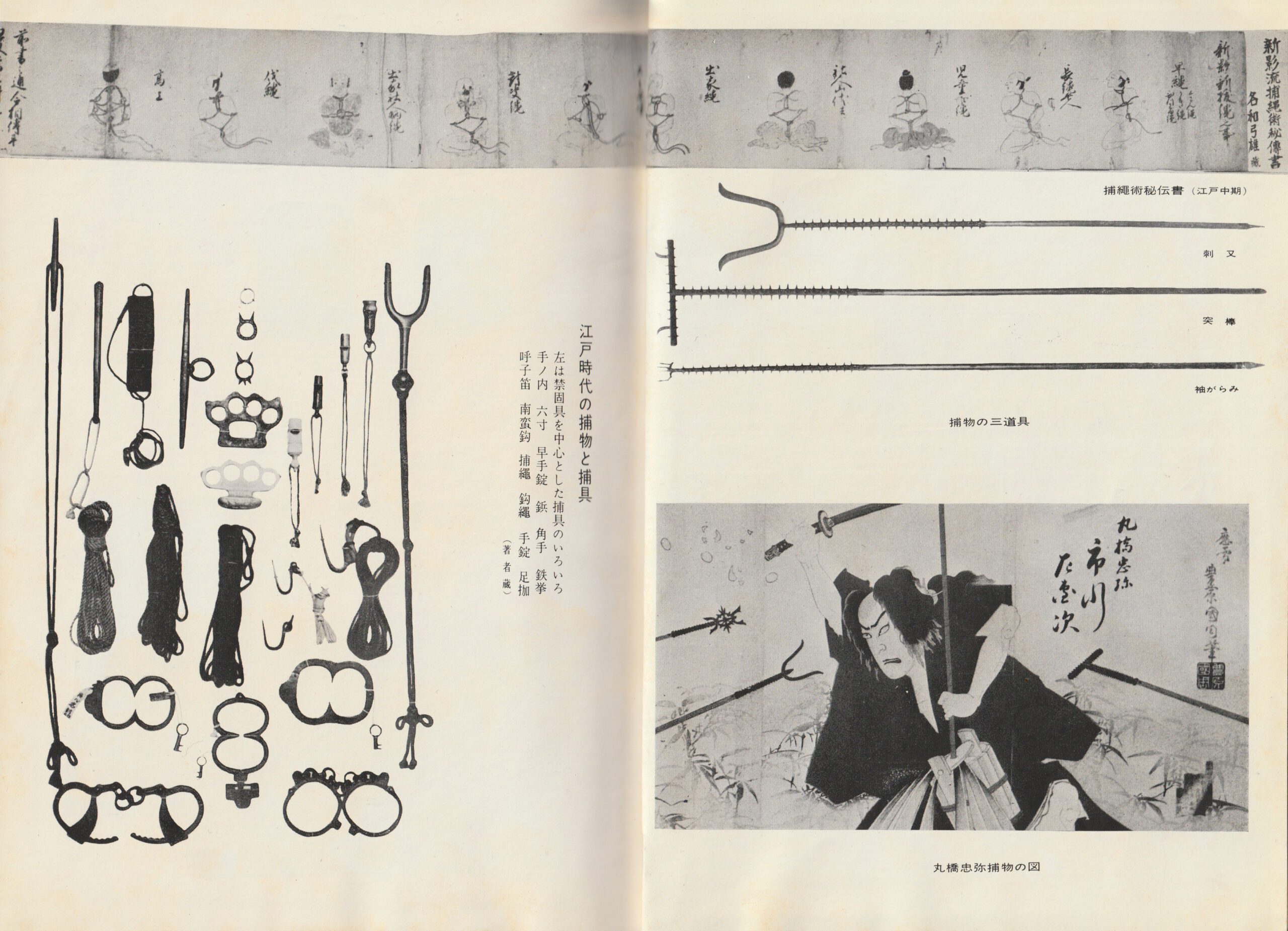
- The Noble Lineage: Nawa’s intense lifelong obsession with hidden weaponry and arresting tools wasn’t a casual hobby; he was a direct descendant of a prominent samurai family from the Mino Ōgaki Domain. This ancestral background granted him access to rare heirloom scrolls and historical bujutsu techniques featured inside Gomon Keibatsushi.
- The Ultimate Grandmaster: This book marked Nawa’s public transition from a researcher to an undisputed authority. He went on to become the official Headmaster (Sōke) of Masaki-ryū Manrikikusari-jutsu (chain fighting) and Edo Machigata Jitte Torinawajutsu (constabulary arts).
Summary of Gomon Keibatsushi Reference Value
This historic 1963 publication remains an indispensable cornerstone for penal historians, specialized weapon researchers, and global collectors of rare Japanese combat literature. Because it preserves original Meiji-period photography and the unrevised textual layouts from the very beginning of Nawa Yumio’s storied publishing career, the unique insights compiled across these 264 pages provide a definitive reference baseline that cannot be found in later commercial revisions.
This volume is highly recommended for anyone analyzing the true roots of traditional Japanese justice systems, regional law enforcement customs, and early modern physical security tools. The granular details regarding tactical arresting methods provide a permanent archival record that cannot be replicated by modern historical novels, successfully preserving a rare and authentic window into the administrative control and martial culture of the Edo period for future generations of international researchers.
Edition details
- Published:
- 09/20/1963
- Publisher:
- Yuzankaku Shuppan
- Edition:
-
- • Director / Editor: Nagasaka Kazuo (長坂一雄)
- • Format: A5 Hardcover
- • Page Count: 264 pages
- • Original Price: ¥800 (当時定価)
- Condition:
- Average
- Slipcase:
- Yes