
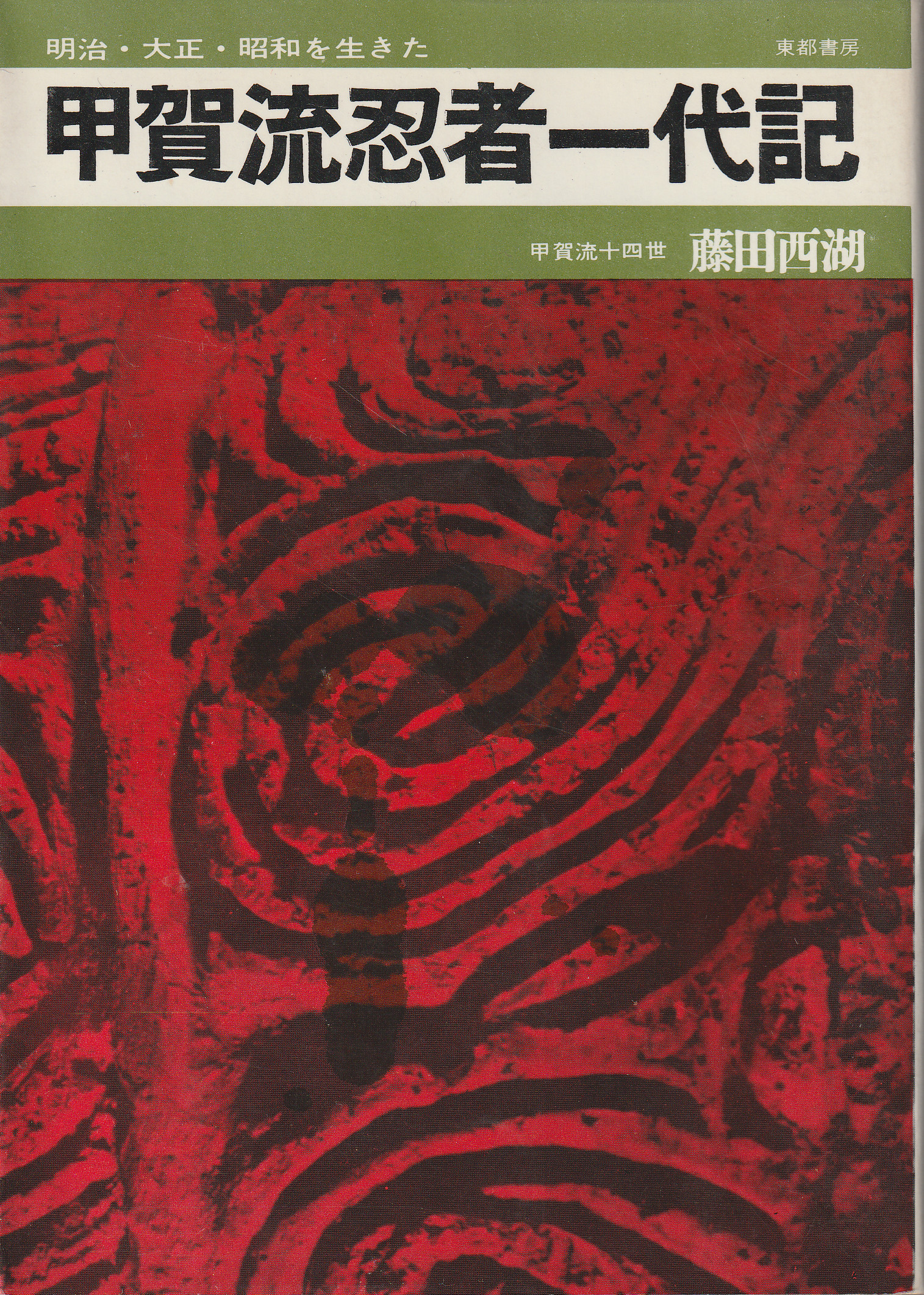
甲賀流忍者一代記
Koga-ryu Ninja Ichidaiki
- Author:
- Fujita Seiko (藤田西湖)
- Category:
- Ninjutsu
- Collection:
- Robert C. Gruzanski Collection
Description
Historical Context of This Edition
While Fujita’s first autobiography (Doronron) came out in 1958, this 1968 edition is considered the posthumous definitive version. This was a heavily revised and expanded version of his first autobiography. Fujita was in the middle of expanding and revising his life story when he passed away in 1966. Kikue Fujita (藤田菊枝) his widow worked with Toto Shobo to release this “Ichidaiki” (Life Chronicle) to serve as the final record of the 14th Headmaster of Koga-ryu Wada-ha.
This book Koga-ryu Ninja Ichidaiki (甲賀流忍者一代記) is the final and most comprehensive record left by Seiko Fujita, the man widely regarded as the “last true ninja.” Published posthumously in 1968 by Toto Shobo, this edition serves as an expanded version of his 1958 autobiography, Doronron.
Core Themes and Contents
The book provides a chronological account of Fujita’s life, detailing how he adapted 500-year-old traditions into the modern age:
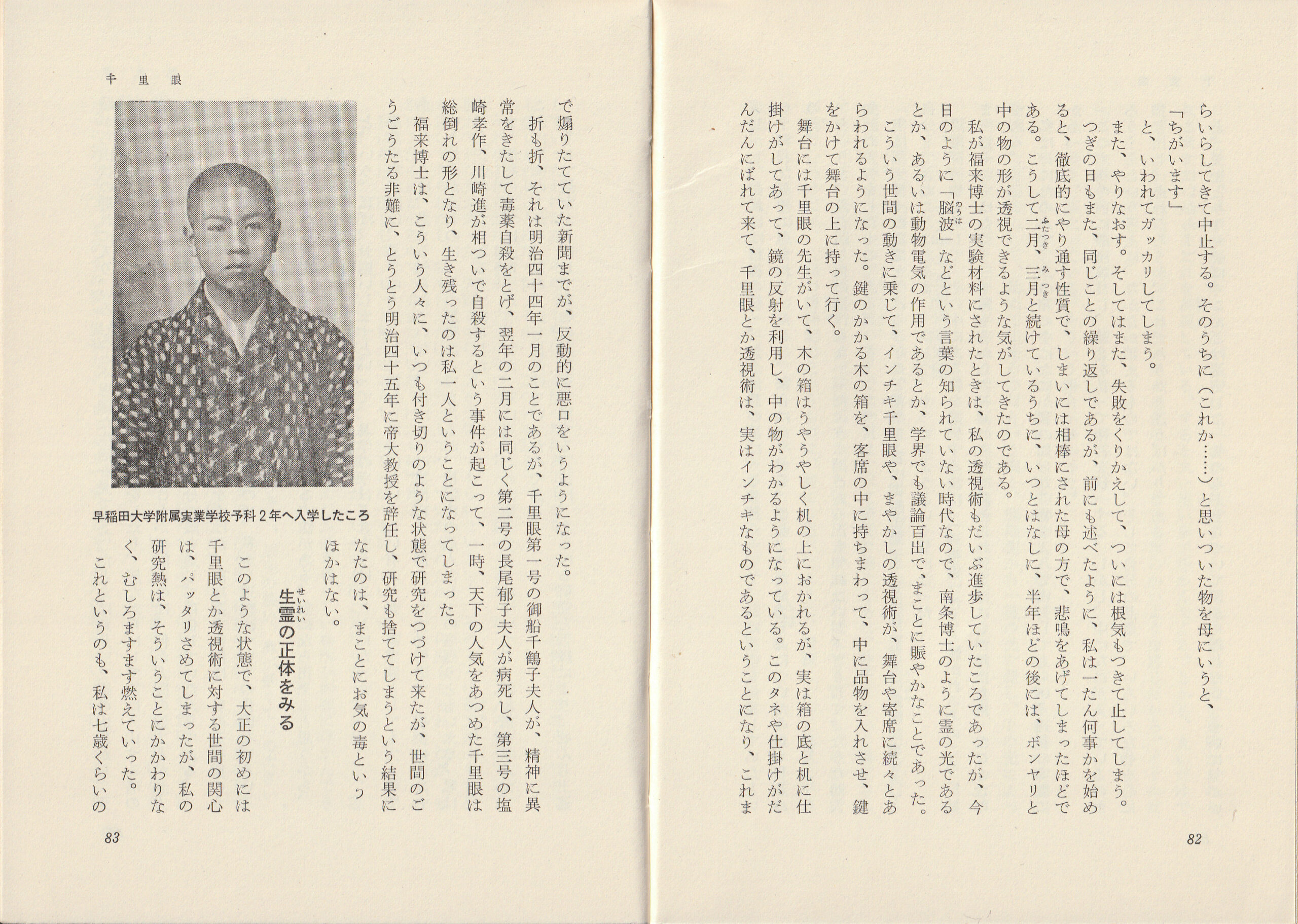
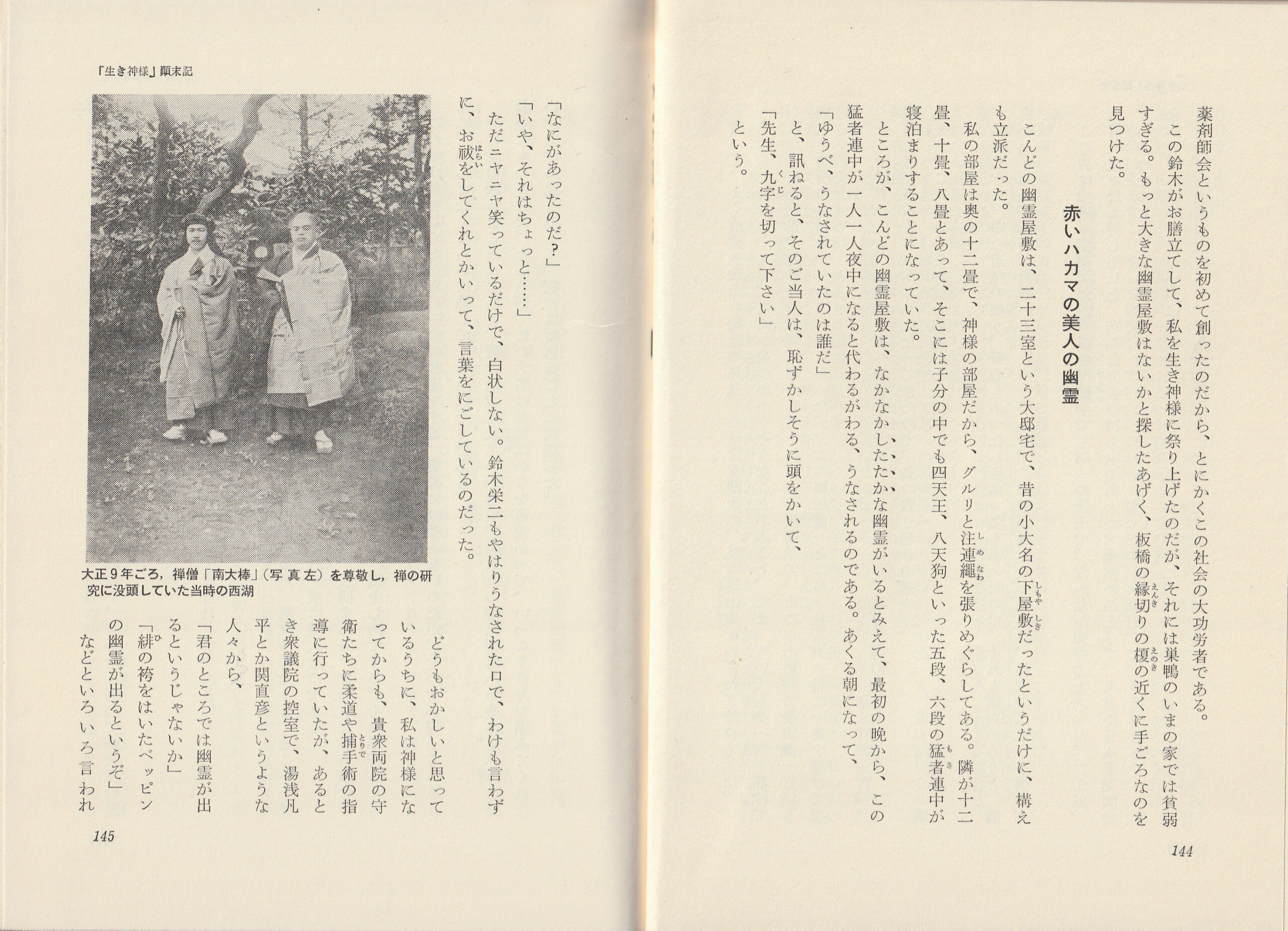
- Childhood and Lineage: It covers his birth in Tokyo (1899) and his early initiation into the Koga-ryu Wada-ha lineage by his grandfather, Fujita Shintazaemon. He describes “inhuman” childhood training, such as walking on the tops of his feet to disguise his tracks.
- Scientific Ninjutsu: Fujita used his education from Waseda University to debunk “magic” ninja myths. He argued that ninjutsu was a progressive science of psychology, endurance, and physiology.
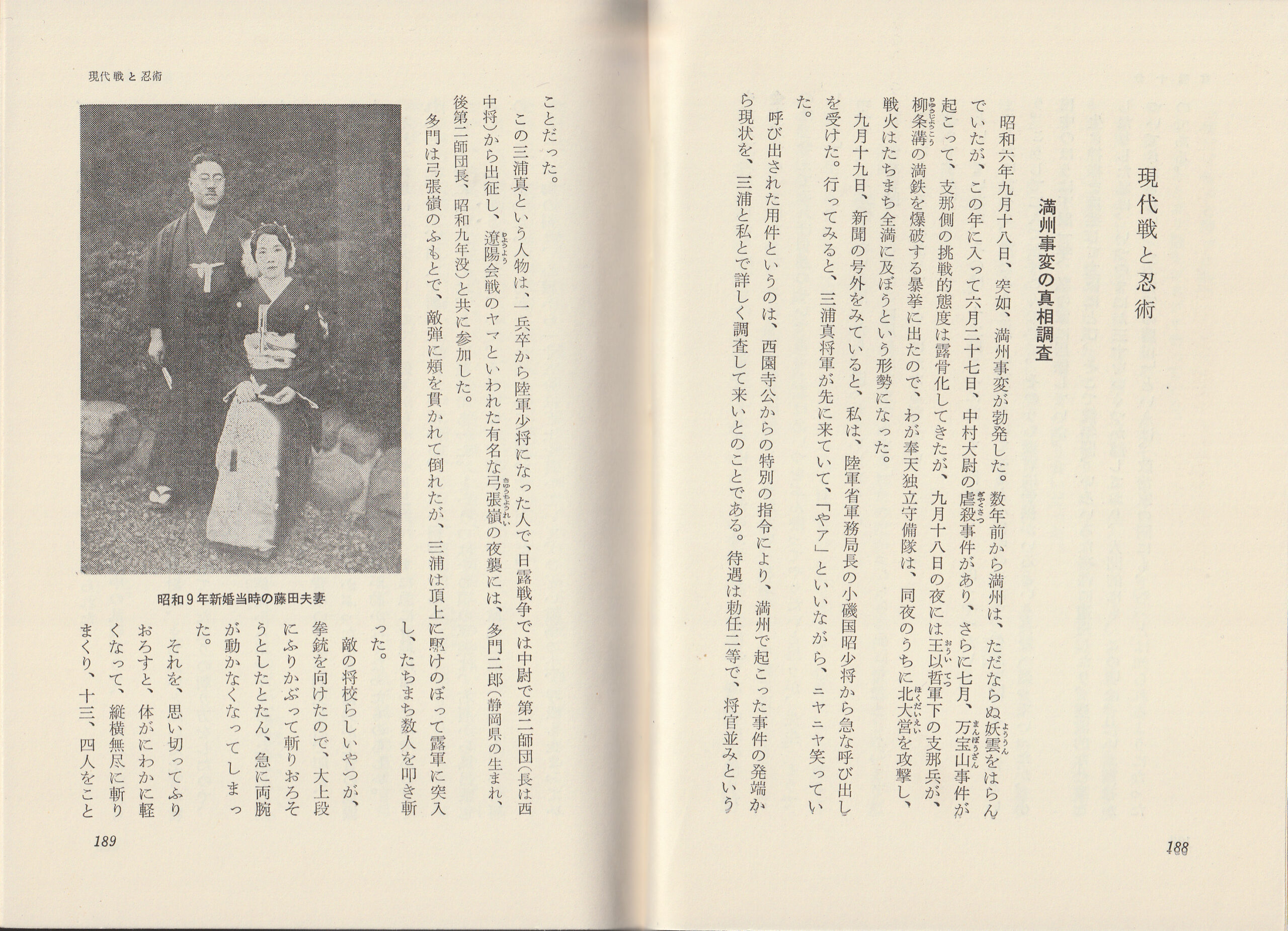
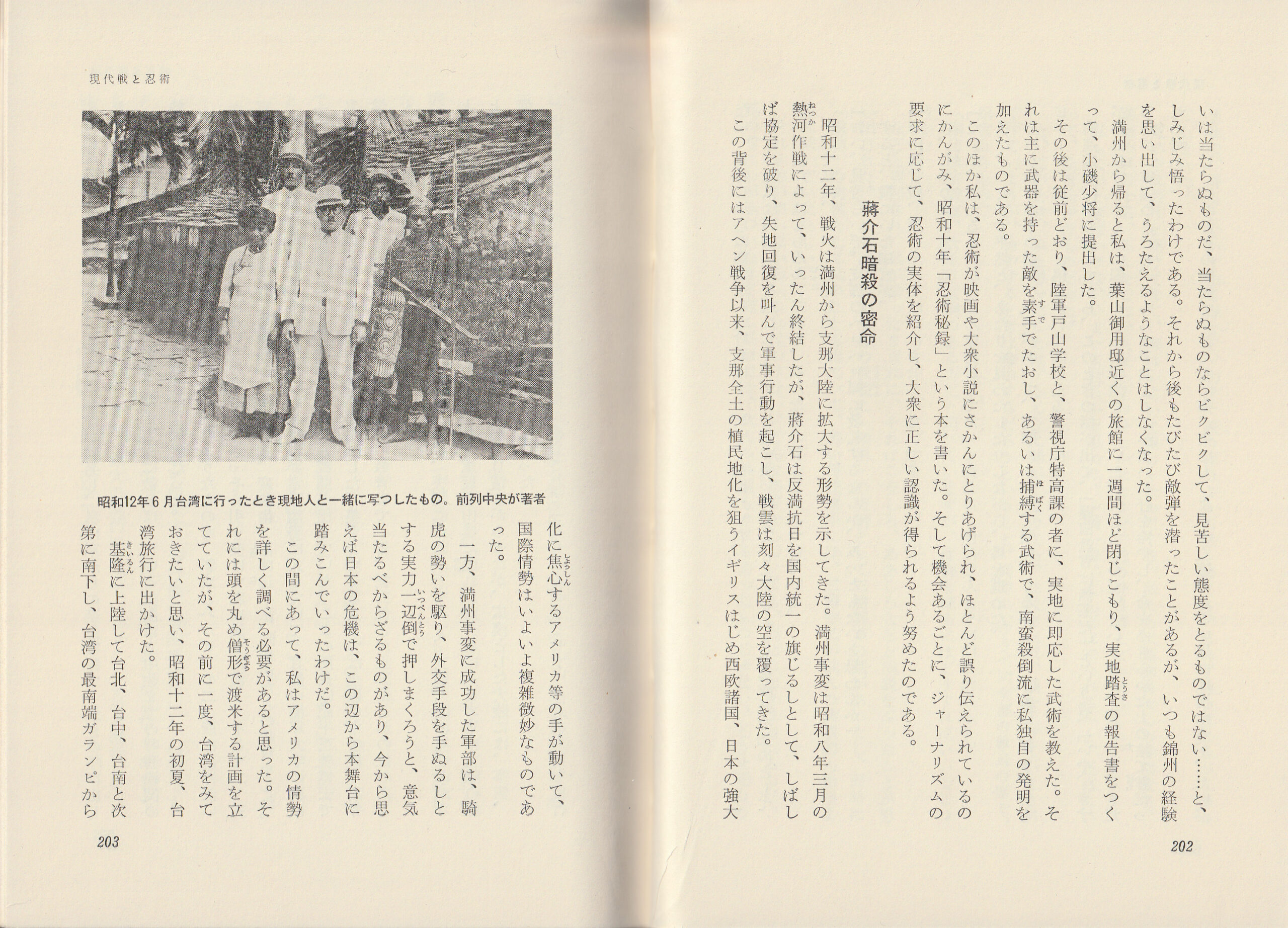
- Wartime Espionage: A major section details his service as a lead instructor at the elite Nakano Spy School during WWII. He taught soldiers how to use traditional stealth, survival, and sabotage in modern warfare.
- Physical Feats: The book documents his legendary demonstrations of bodily control, including eating glass, enduring extreme temperatures, and inserting hundreds of needles into his body without bleeding.
Significance of the 1968 Edition
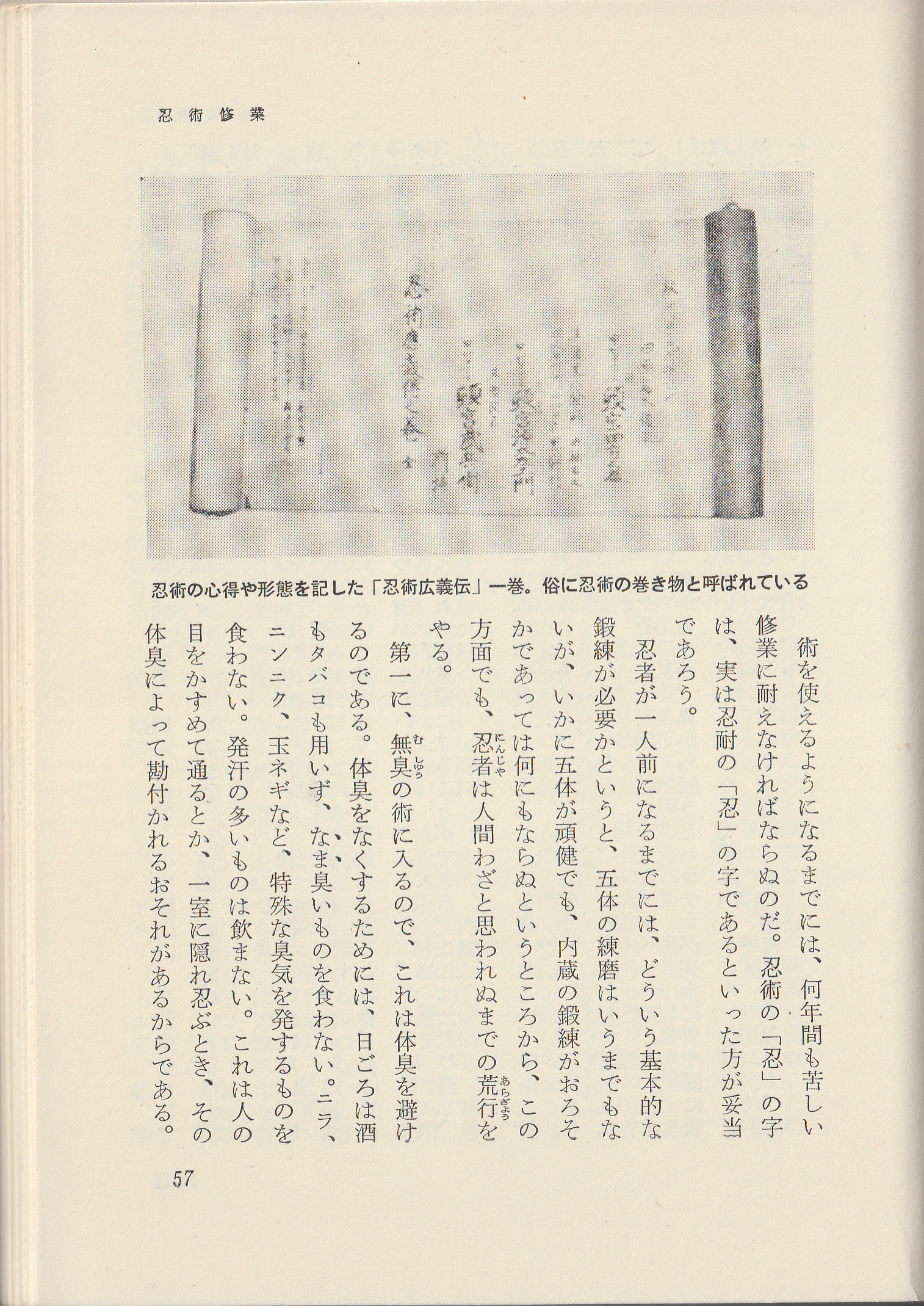
This specific printing is significant because it was curated by his widow, Kikue Fujita (often misidentified as “Klue”). She worked with the publisher to include his final notes and rare family ninja scrolls that had never been seen by the public.
Because Fujita died without an official heir, this book is effectively the last testament of the orthodox Koga-ryu style, marking the end of its continuous family lineage.
Edition details
- Published:
- 01/20/1968
- Publisher:
- Toto Shobo
- Edition:
-
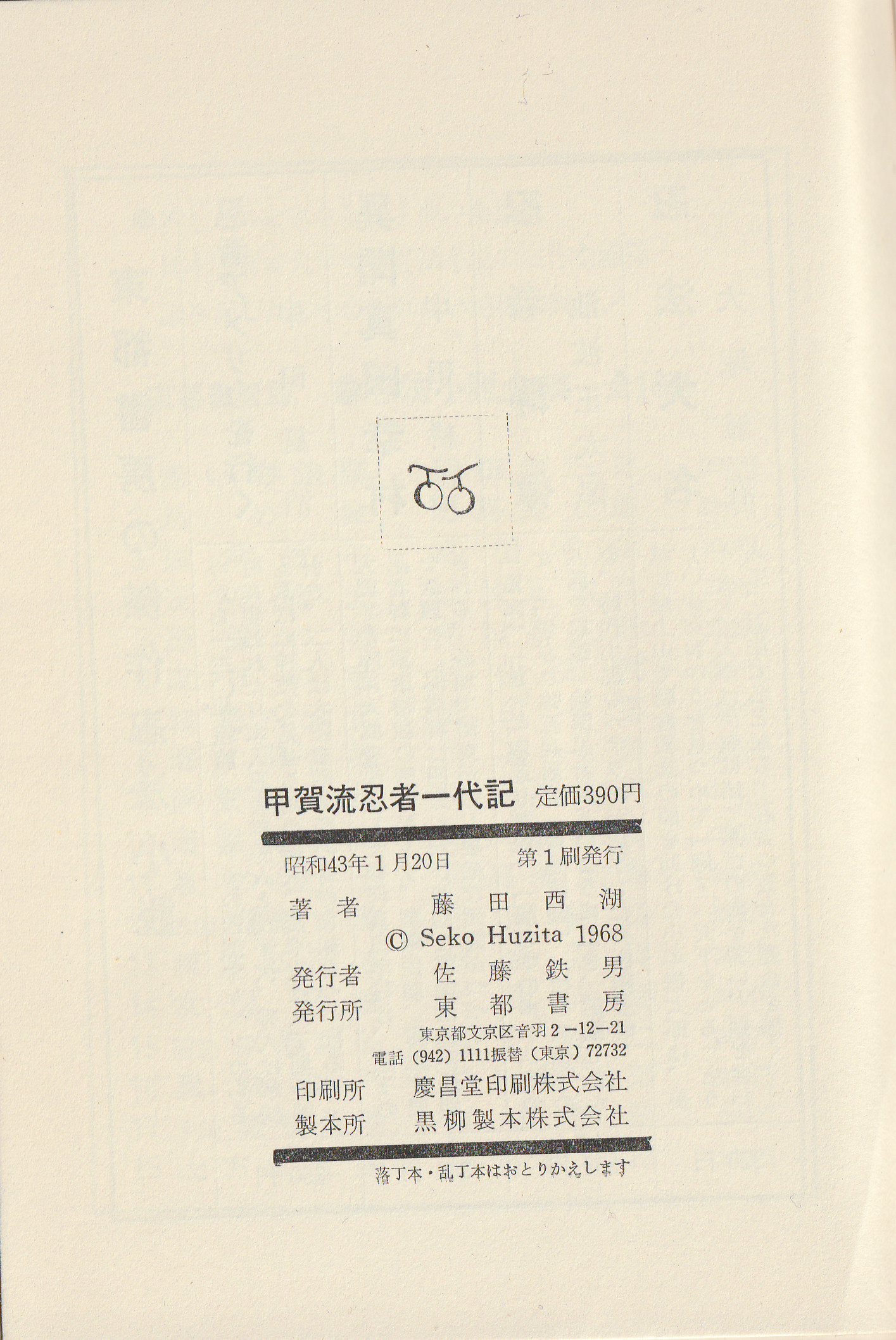
- • Title Translation: Chronicle of a Koga-style Ninja's Life (一代記)
- • Print Variant: First Printing (第1刷発行 - Dai-issatsu Hakkō)
- • Release Date: January 20, 1968 (Showa 43)
- • Copyright Authorization: Seko Huzita 1968 (Authorized by his widow, Kikue Fujita)
- • Publishing Representative: Tetsuo Sato (佐藤鉄男)
- • Binder: Kuronagi Binding Co., Ltd. (黒柳製本株式会社)
- • Original Retail Price: 390 Yen
- Condition:
- Good
- Dust jacket:
- Yes