
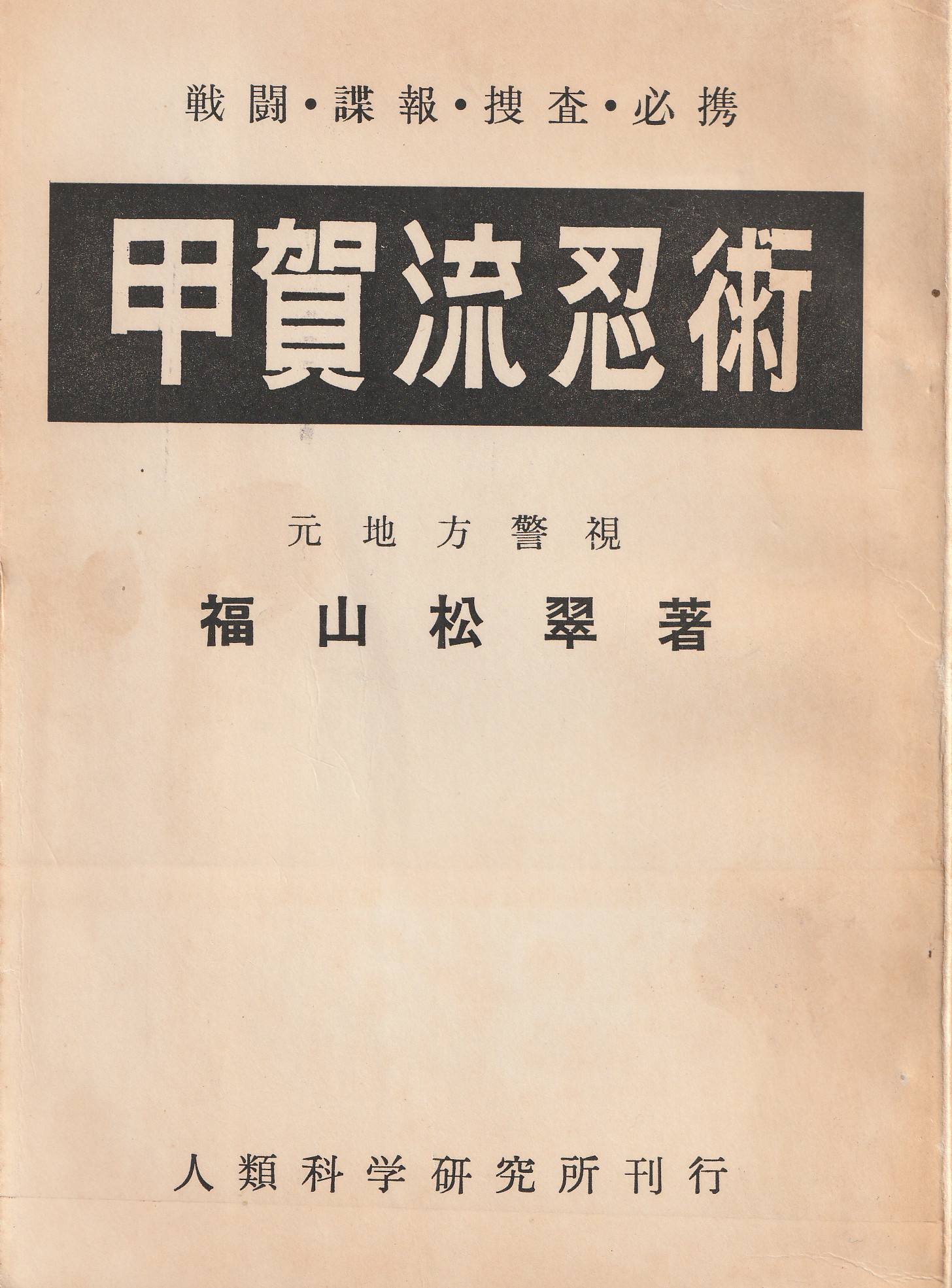
甲賀流忍術:戦闘・諜報・捜査・必携
Kōga-ryū Ninjutsu: Sentō, Chōhō, Sōsa, Hikkei
- Author:
- Fukuyama Shōsui (福山 松翠)
- Category:
- Ninjutsu
- Collection:
- Robert C. Gruzanski Collection
Description
Kōga-ryū Ninjutsu: The Modern Police Manual of the Shadow Arts
Published in November 1953 by the Jinrui Kagaku Kenkyūjo (Institute for Human Science), this rare handbook represents a historical anomaly: it is the only professional manual written by a high-ranking law enforcement official to bridge the gap between ancient feudal espionage and post-WWII criminology.
The Author: A Modern-Day Shinobi Principal
The book is the life’s work of Shōsui Fukuyama (福山松翠, 1892-1967), a man who lived a double life of sorts. Born in the heart of Kōga City in Shiga Prefecture, he rose through the ranks to become a Regional Police Superintendent and the Principal of the Shiga Prefecture Police Academy. Fukuyama didn’t just study Ninjutsu as a hobby; he used his authority to integrate the psychological and observational protocols of the Kōga-ryū (an archaic, regional name for Koga-ryu) into the official curriculum for training modern Japanese detectives.
Inside the Handbook
Unlike the sensationalized “ninja boom” books of the 1960s, this 270-page A5-sized volume is a dry, technical, and highly practical guide. It was published on Culture Day (November 3rd) as a statement that Ninjutsu was a legitimate cultural asset of Shiga.
The book is divided into four critical pillars:
- Combat (戦闘): Adapting ancient defensive postures and weapon principles for modern physical altercations.
- Intelligence (諜報): Methods of social engineering and “human science” to gather information without detection.
- Investigation (捜査): Using ninja “stealth” for stakeouts, surveillance, and forensic tracking.
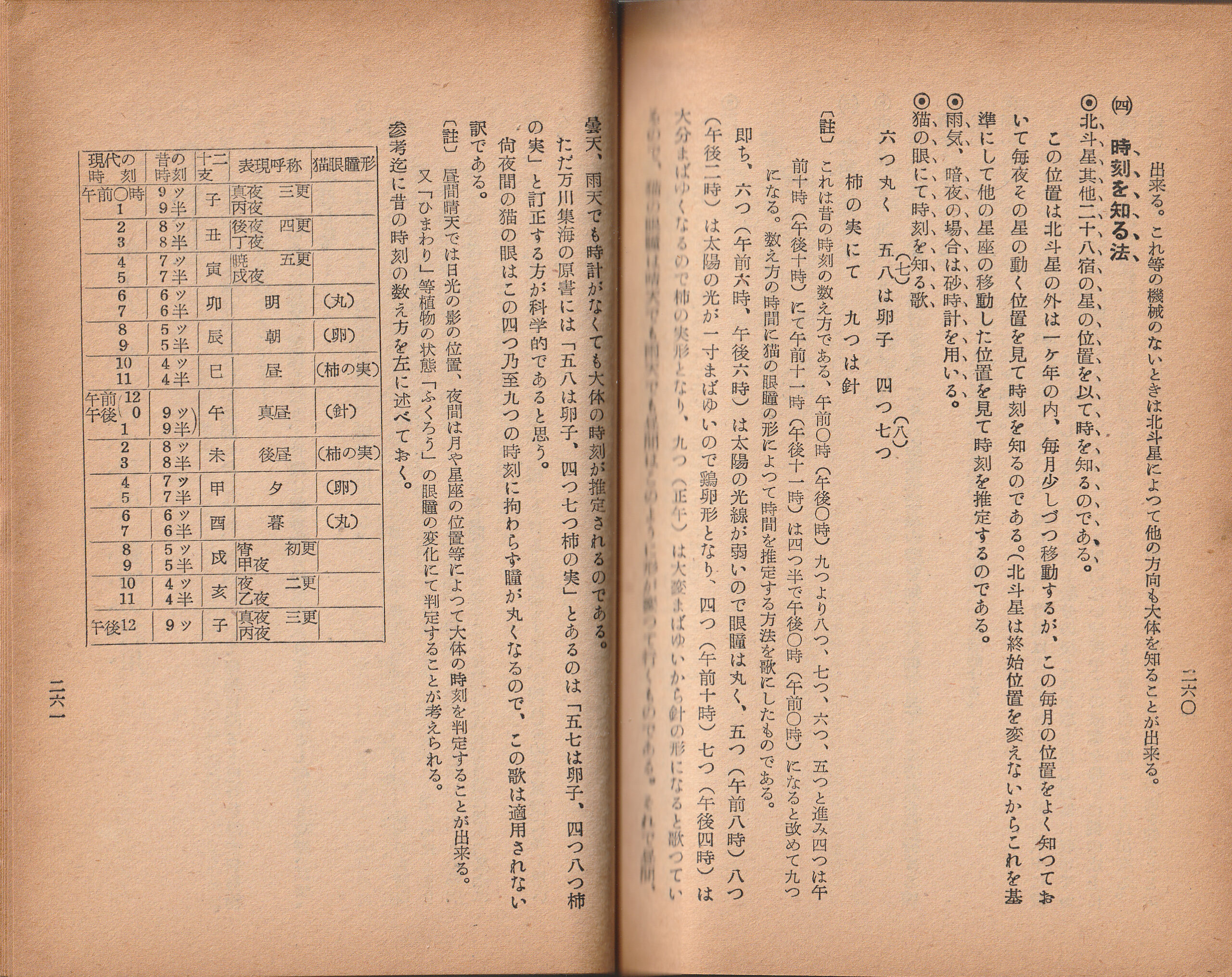
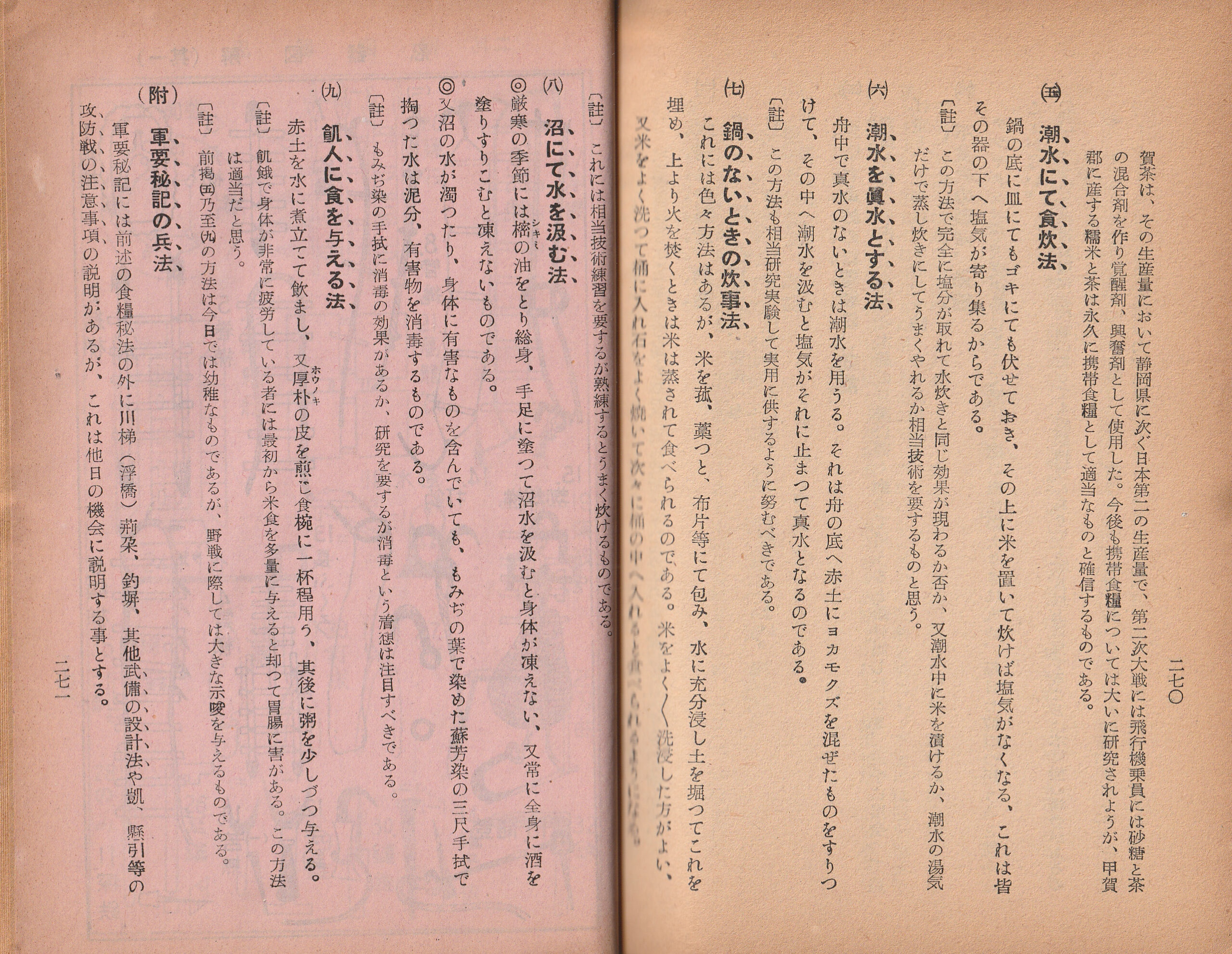
- Essential Handbook (必携): A field guide containing survival techniques, such as telling time by a cat’s eyes or purifying water with mud.
Why It Is a Collector’s Holy Grail
- De Facto Limited Edition: As a specialized professional manual from a small research institute, it had a very small print run intended for police and researchers, not the general public.
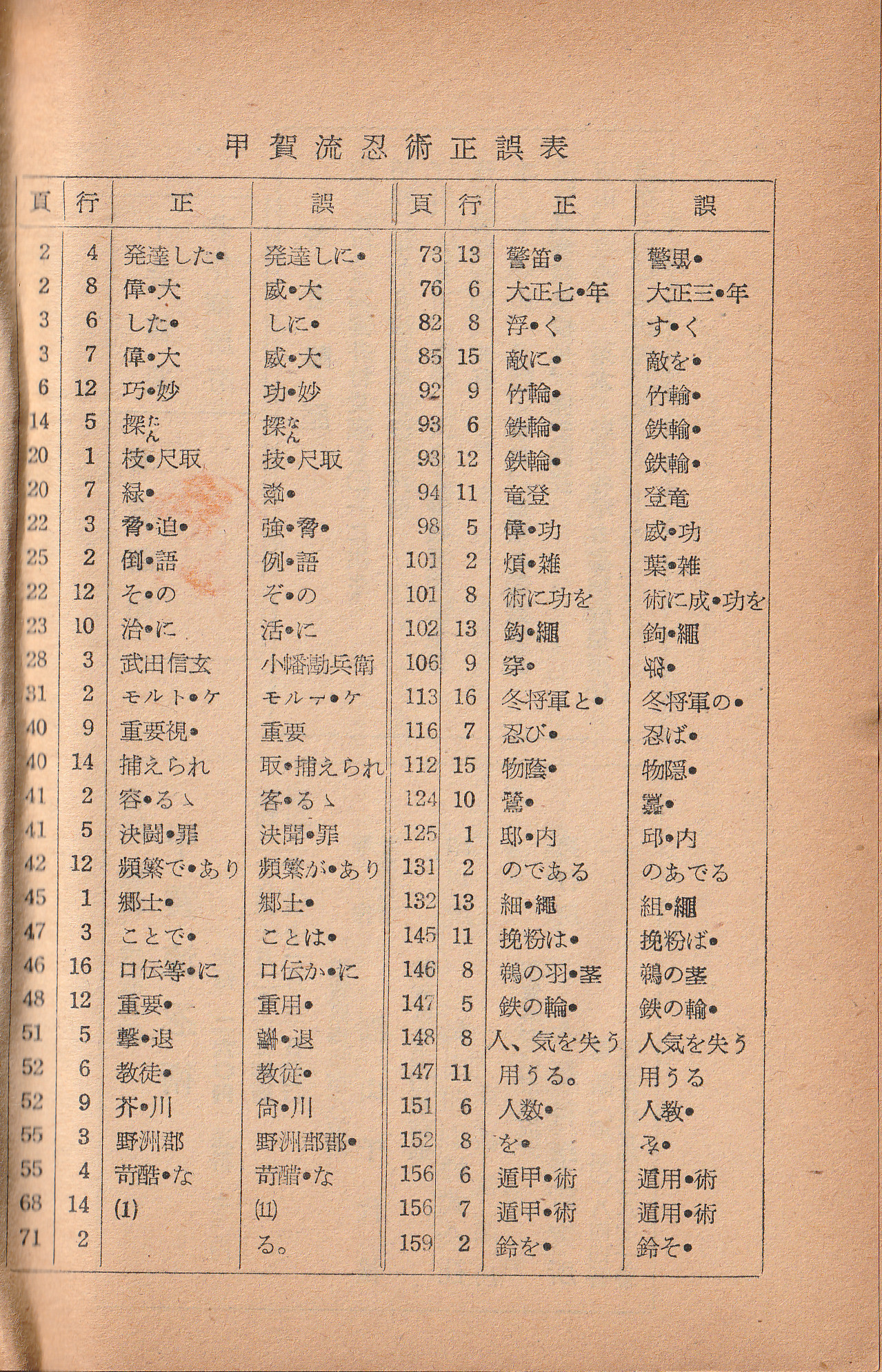
- Historical Authenticity: Fukuyama had direct access to the “Kōga Fifty-Three Families” and secret scrolls, allowing him to correct historical inaccuracies in real-time (noted in his extensive Errata Table).
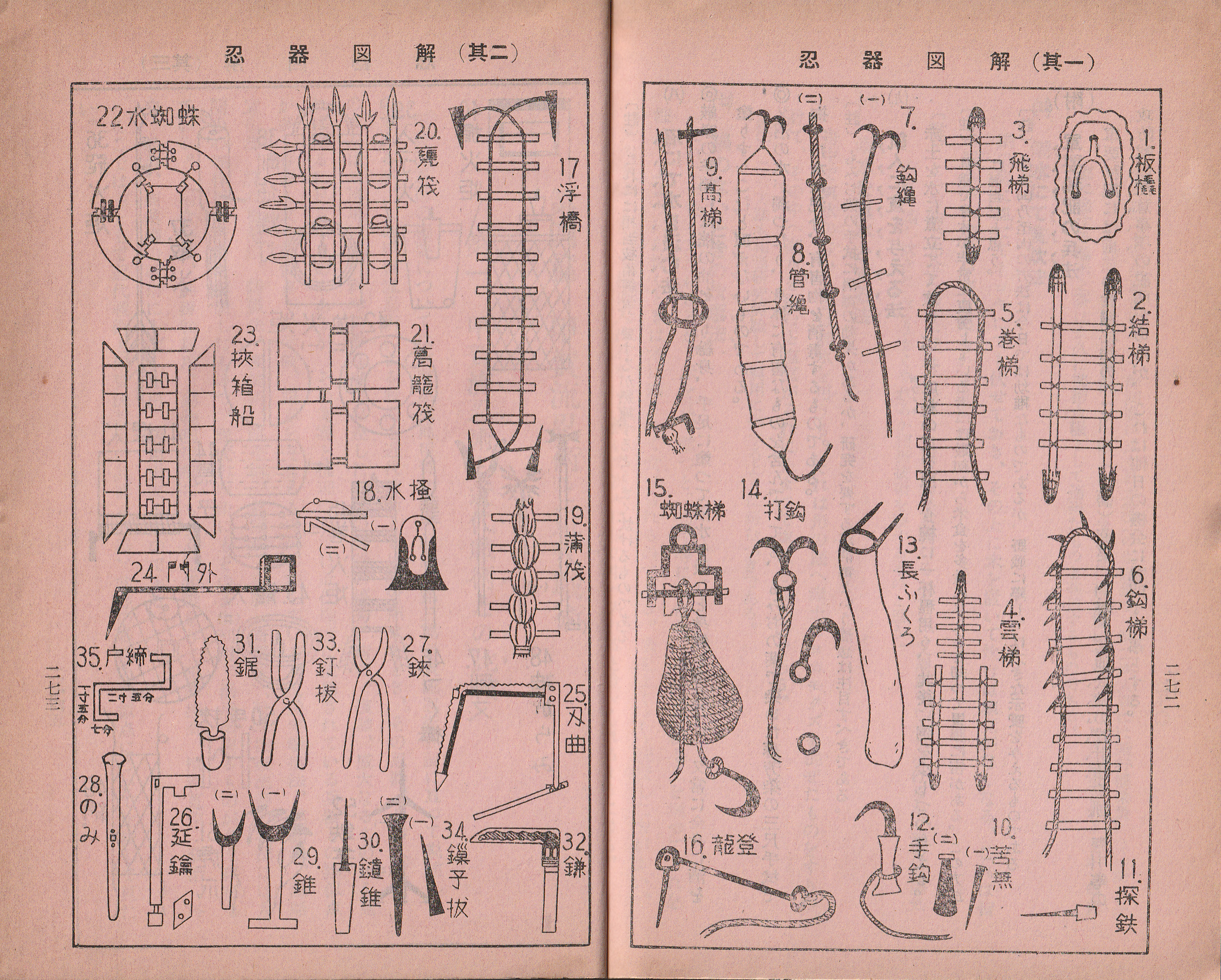
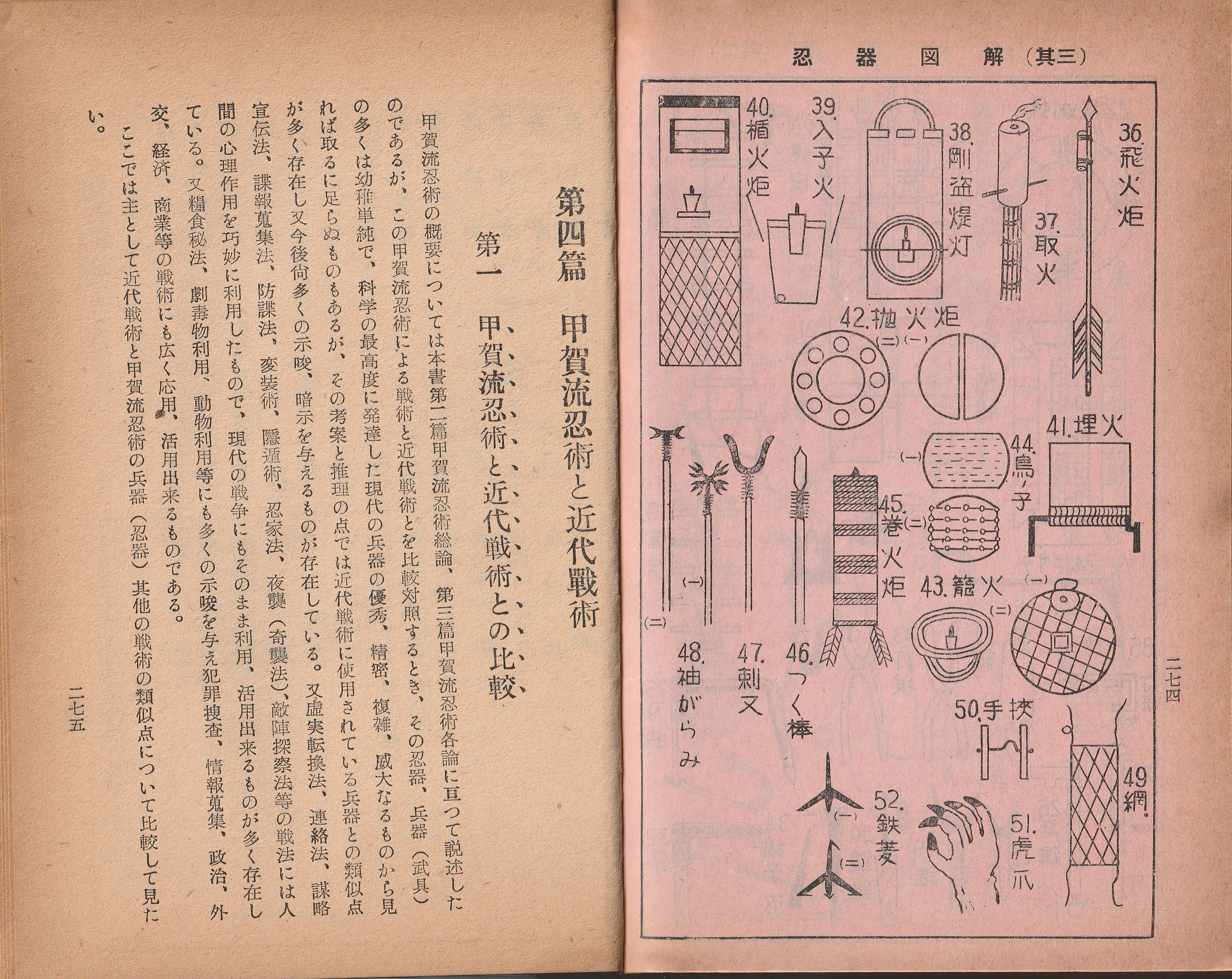
- The Bridge to Modernity: It captures a unique moment where ancient traditions like Makibishi (caltrops) and Mizugumo (water shoes) were being scientifically analyzed for their psychological and tactical value in a 20th-century democratic police force.
This book remains a rare primary source for anyone looking to understand Ninjutsu not as “magic,” but as a sophisticated science of human behavior and survival that survived long enough to be taught in a modern police academy.
Deep-Dive: Lost & Hidden Historical Facts
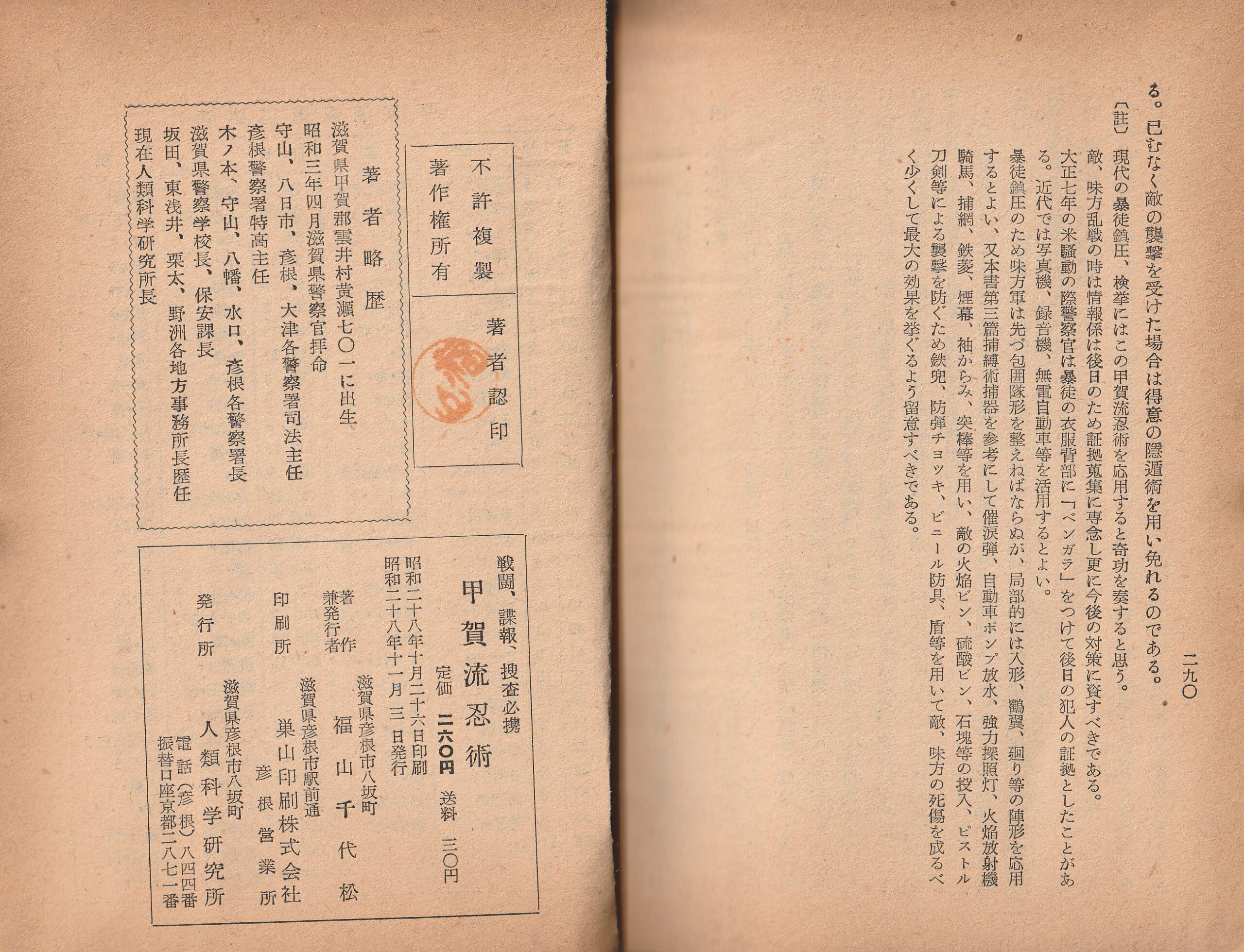
The Red Vermilion Seal of Authenticity: Because this text was handled by a non-commercial, private academic research group rather than an open public bookstore distributor, true authentic print runs must bear a hand-applied red vermilion seal stamped directly onto the colophon page. Copies floating through regional antiquarian channels that lack this physical verification mark represent unsanctioned postwar mimeograph bootlegs printed secretly during the late 1960s media craze.
The Postwar Police De-Nazification Loop: When General Douglas MacArthur’s GHQ (General Headquarters) implemented the thorough restructuring and sweeping purge of imperial Japanese police structures in 1947, all classical martial arts training (like Kendo and Jujutsu) was strictly banned inside police academies to suppress militarism. Fukuyama cleverly bypassed these strict Allied censorship lines by scrubbing out the combat terminologies from his manual and relabeling his Koga training modules as “Scientific Deception Criminology” (Jinrui Kagaku). This allowed him to keep teaching classical shinobi principles right under the noses of military inspectors.
The “One-Eyed Master” Sourcing Connection: Deep within the introductory acknowledgments, Fukuyama notes his hidden reliance on an aging local guide: a reclusive, one-eyed country estate manager living near Mt. Iigane who owned unmapped field notebooks tracing back to the Mochizuki family. This direct local sourcing is why his technical chapters match the landscape structures of the actual Kōga hills instead of echoing the stylized maps drafted in Tokyo.
The Cat’s-Eye Clock Calibration Equation: Chapter 4 features a fascinating, highly detailed technical breakdown of the classic shinobi “Inu-Neko Me-Kubari” (cat-pupil solar clocking). Fukuyama provides an analytical chart tracking exactly how the feline pupil dilates across the passing hours. He includes a strict warning memo instructing municipal patrol officers to utilize this ancient trick during nighttime surveillance operations if their standard mechanical issue wristwatches fail or suffer damage during a pursuit.
Edition details
- Published:
- 11/03/1953
- Publisher:
- Jinrui Kagaku Kenkyūjo
- Edition:
-
- • Book Translation: Combat, Intelligence, Investigation, Essential Handbook
- • Senior Author: Shōsui (Matsue) Fukuyama (福山松翠)
- • Core Publisher: Jinrui Kagaku Kenkyūjo (人類科学研究所 - Institute for Human Science)
- • Release Date: November 1953 (First Edition, First Printing)
- • Original List Price: 260 Yen
- Condition:
- Excellent
- Dust jacket:
- Yes