
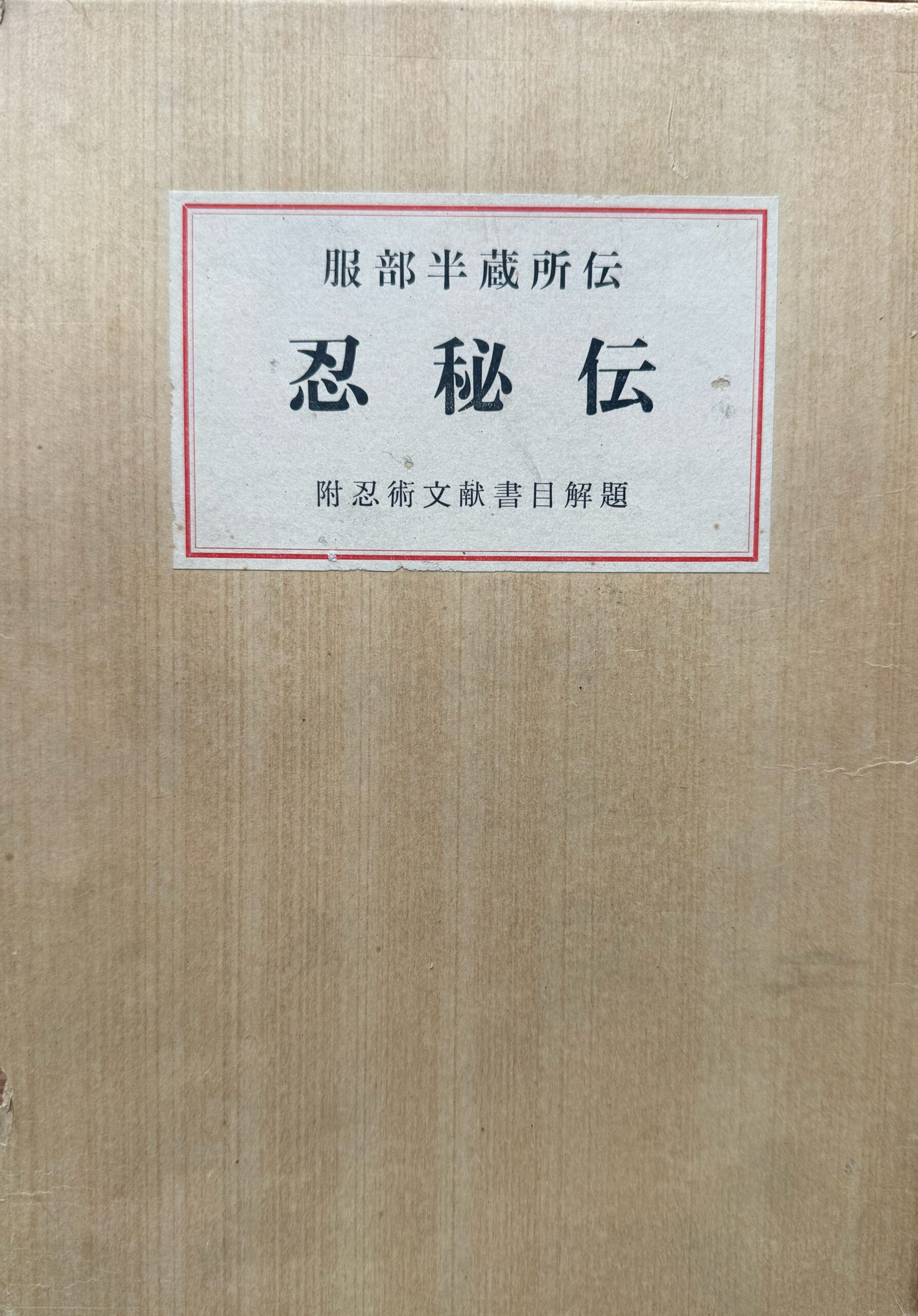
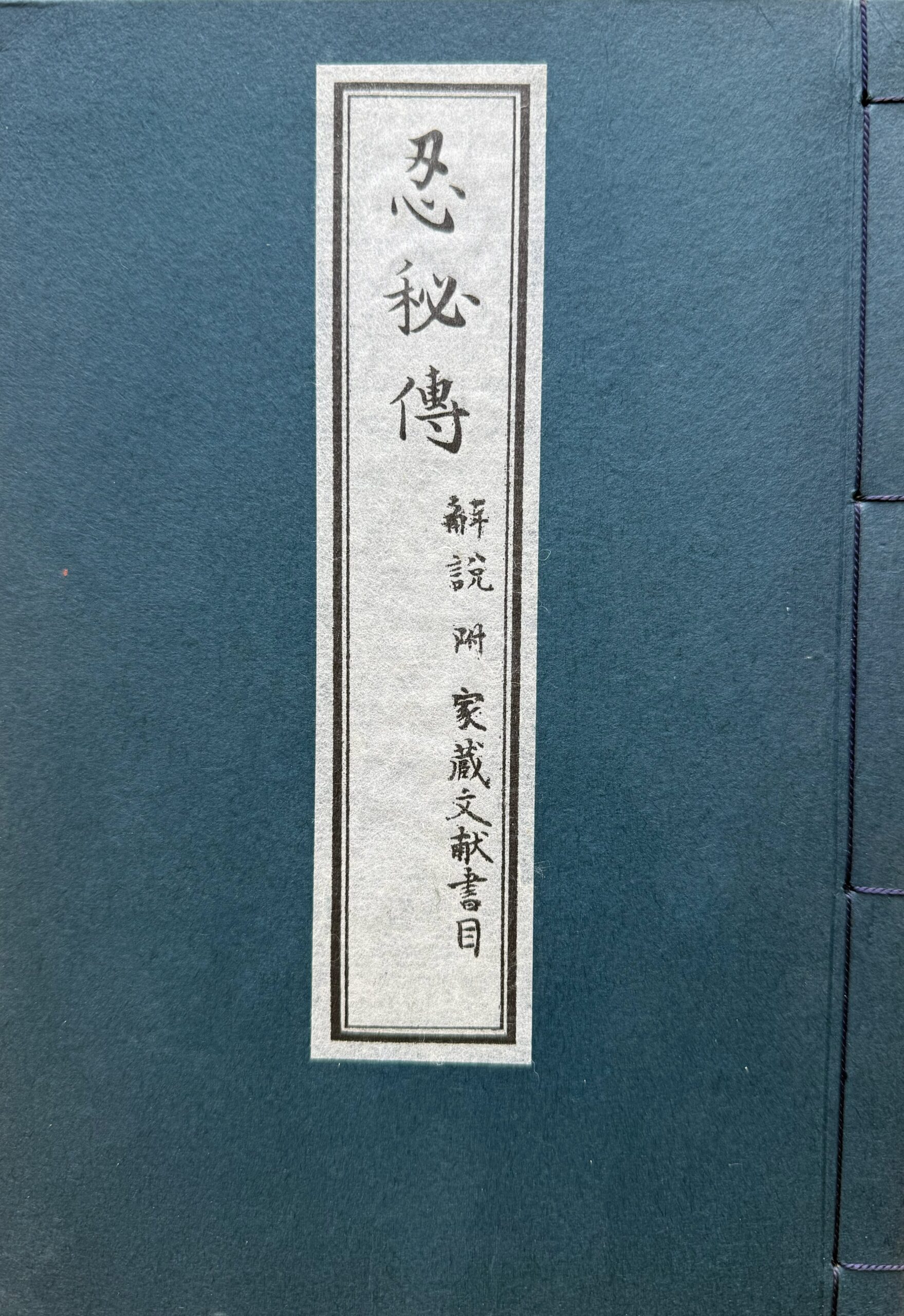
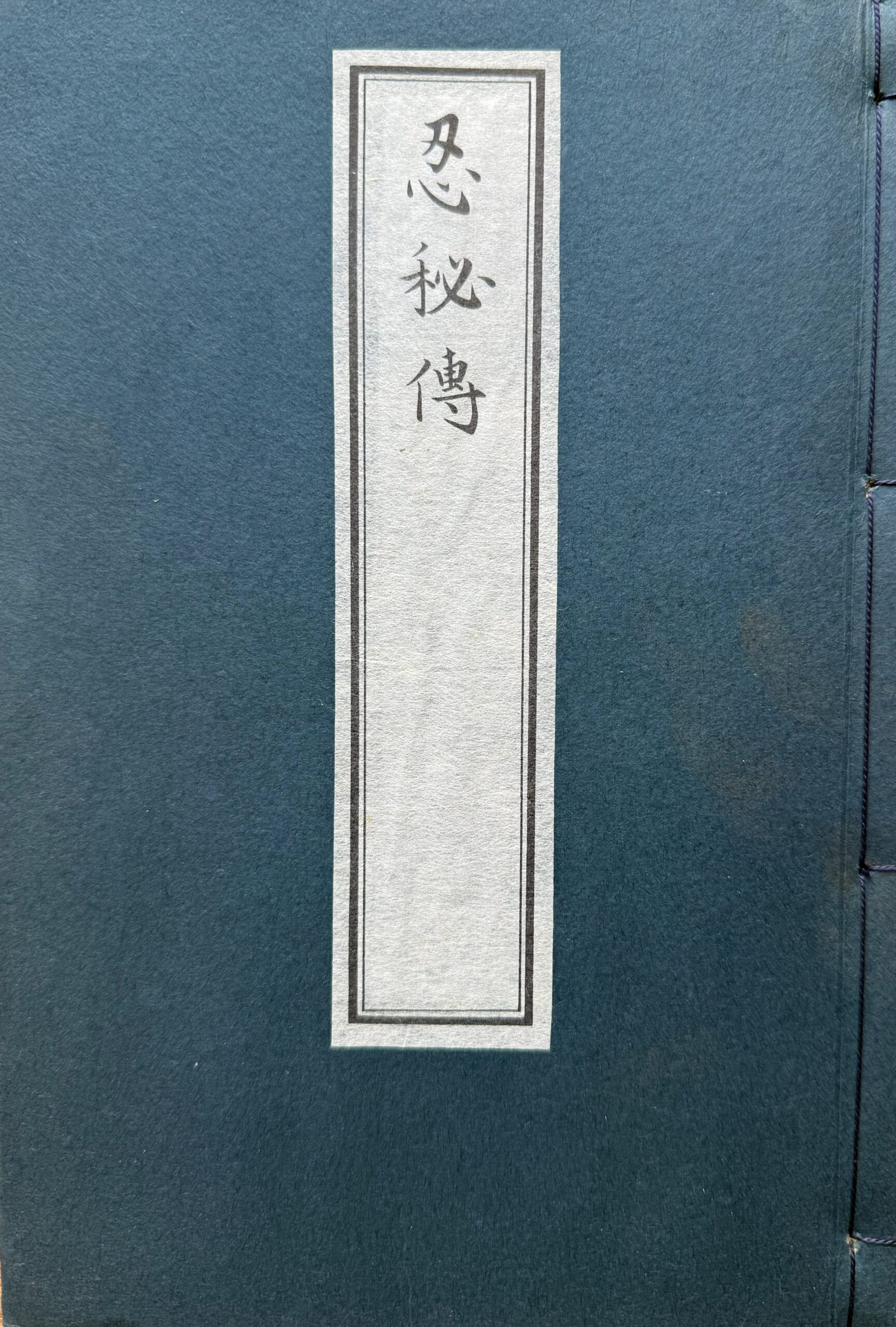
服部半蔵所伝 忍秘伝 附忍術文献書目解題
The Ninpiden: Hattori Hanzo’s Secret Ninja Teachings (Shinobi Hiden)
- Author:
- Okimori Naosaburo (沖森直三郎)
- Category:
- Ninjutsu
- Collection:
- Robert C. Gruzanski Collection
Description
Hattori Hanzō Shoden: Ninpiden — Shinobi-hiden: Secret Ninjutsu Traditions of the Hattori Family (with Annotated Bibliography)
The 1971 Okimori Edition — A Verified Two-Volume Limited Set
Regarded by practitioners and historians as the “Holy Grail” of Iga tradition, this 1971 set bridges the gap between the legendary secrets of the 1600s and modern historical research. Published in the historic heart of Ueno City (now Iga City), it is a meticulously preserved “verified transmission” of the Hattori family’s secret scrolls.
I. Complete Two-Book Description
Volume 1: The Manuscript (The “Body” of Knowledge)
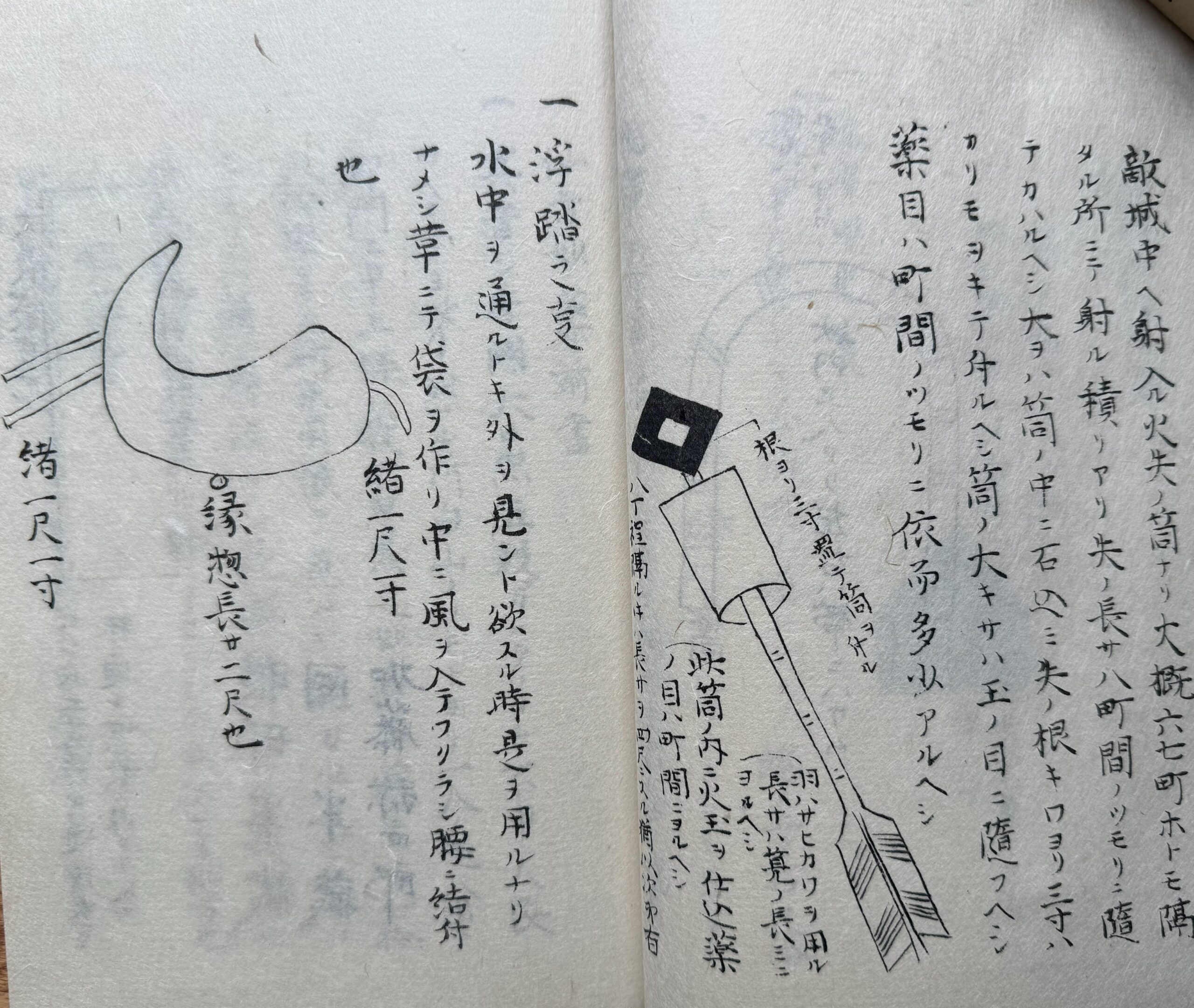
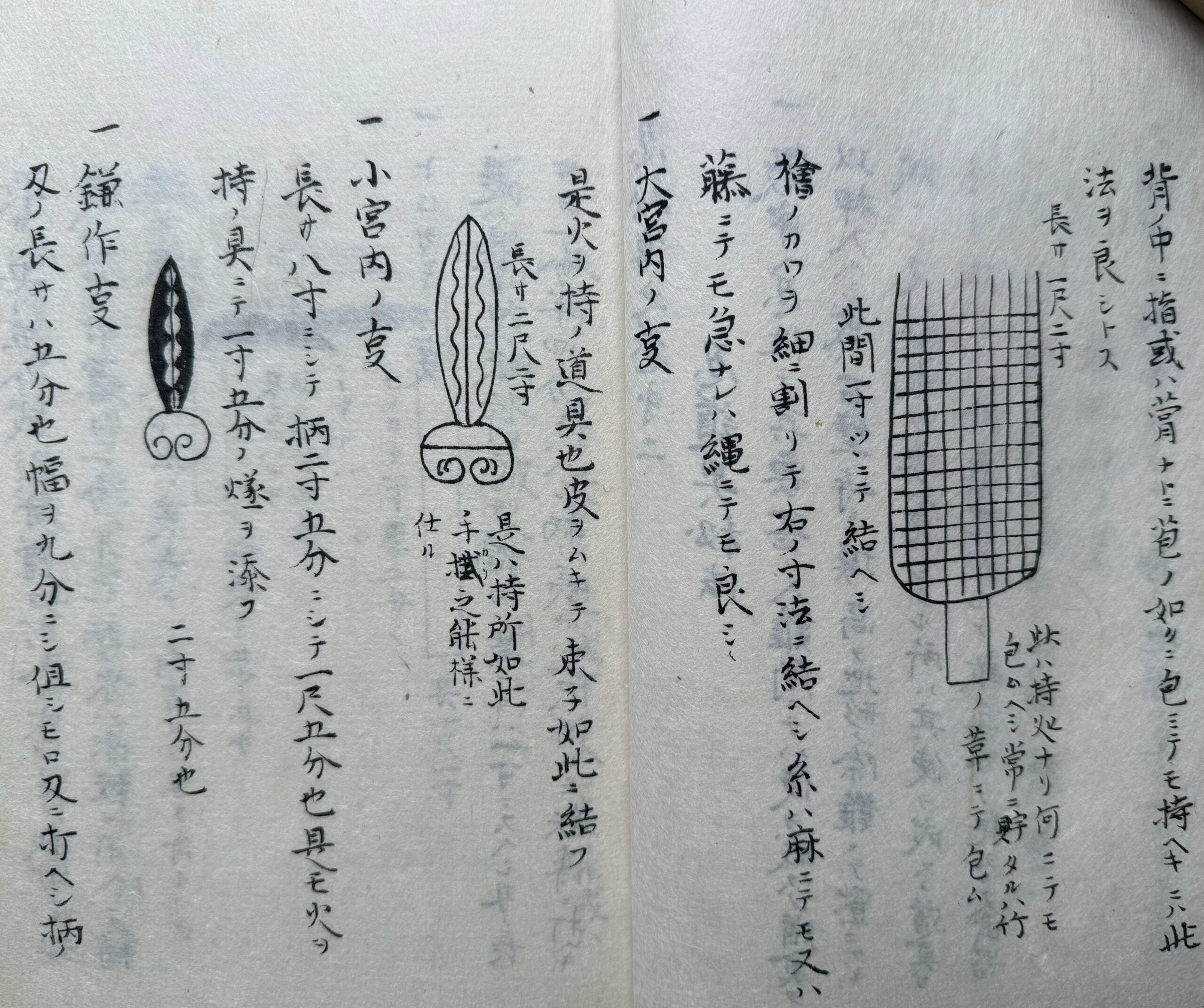
- Format: Traditional Waso-bon (thread-bound) on soft Japanese paper, consisting of 54 double-sided leaves (108 pages).
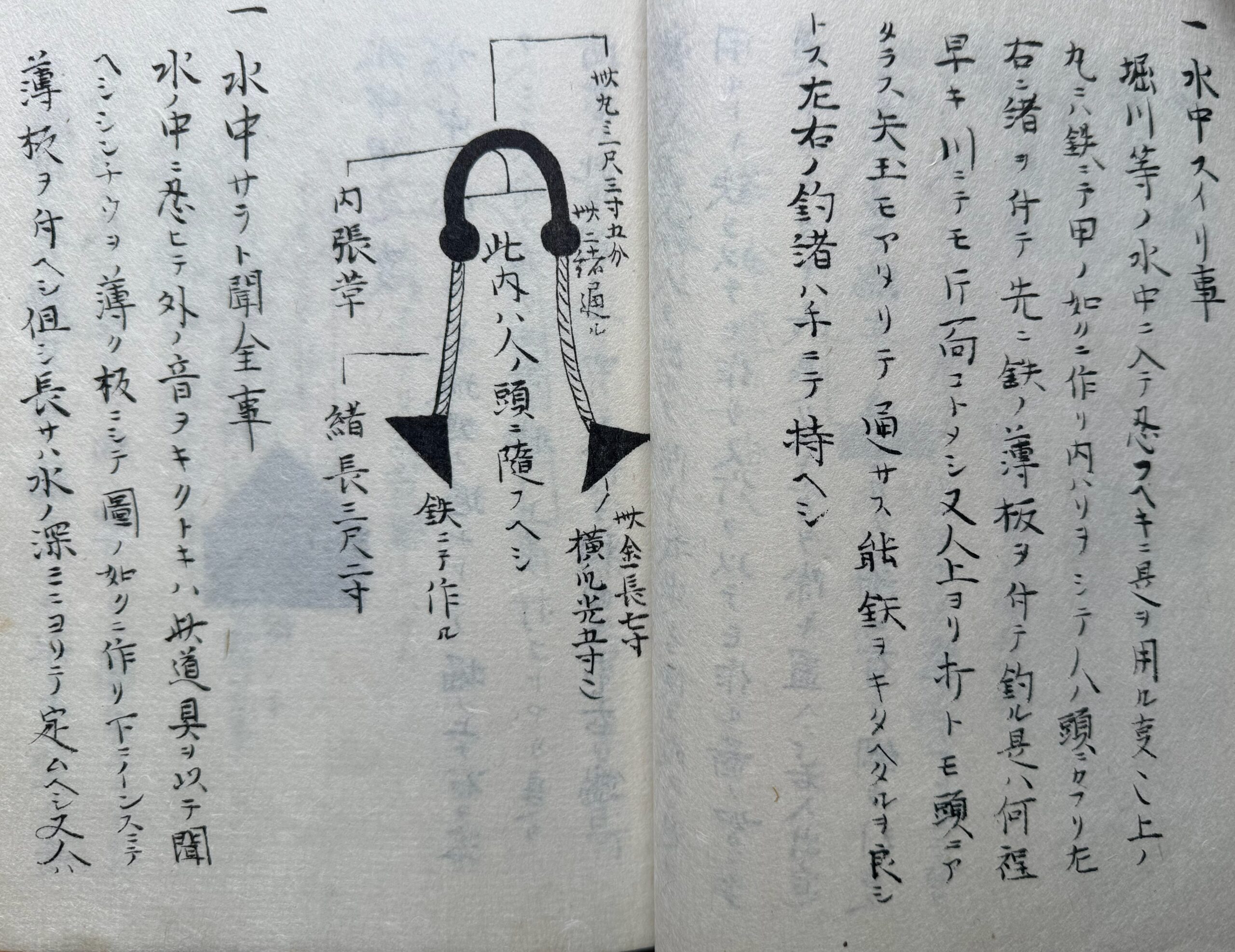
- Content: A faithful facsimile-style transcription of the original handwritten Ninpiden. It preserves the original brush-style calligraphy and archaic layout.
- Structure: Organized into chapters covering In-jutsu (stealth and infiltration) and Yo-jutsu (strategic deception and open-air tactics).
- Visuals: Includes brush-style diagrams of specialized tools, such as folding ladders, weighted chains, and specific knots used for binding or securing gear.
Volume 2: The Commentary (The “Key” to the Knowledge)
- Format: Modern western-style binding with 132 pages of analysis.
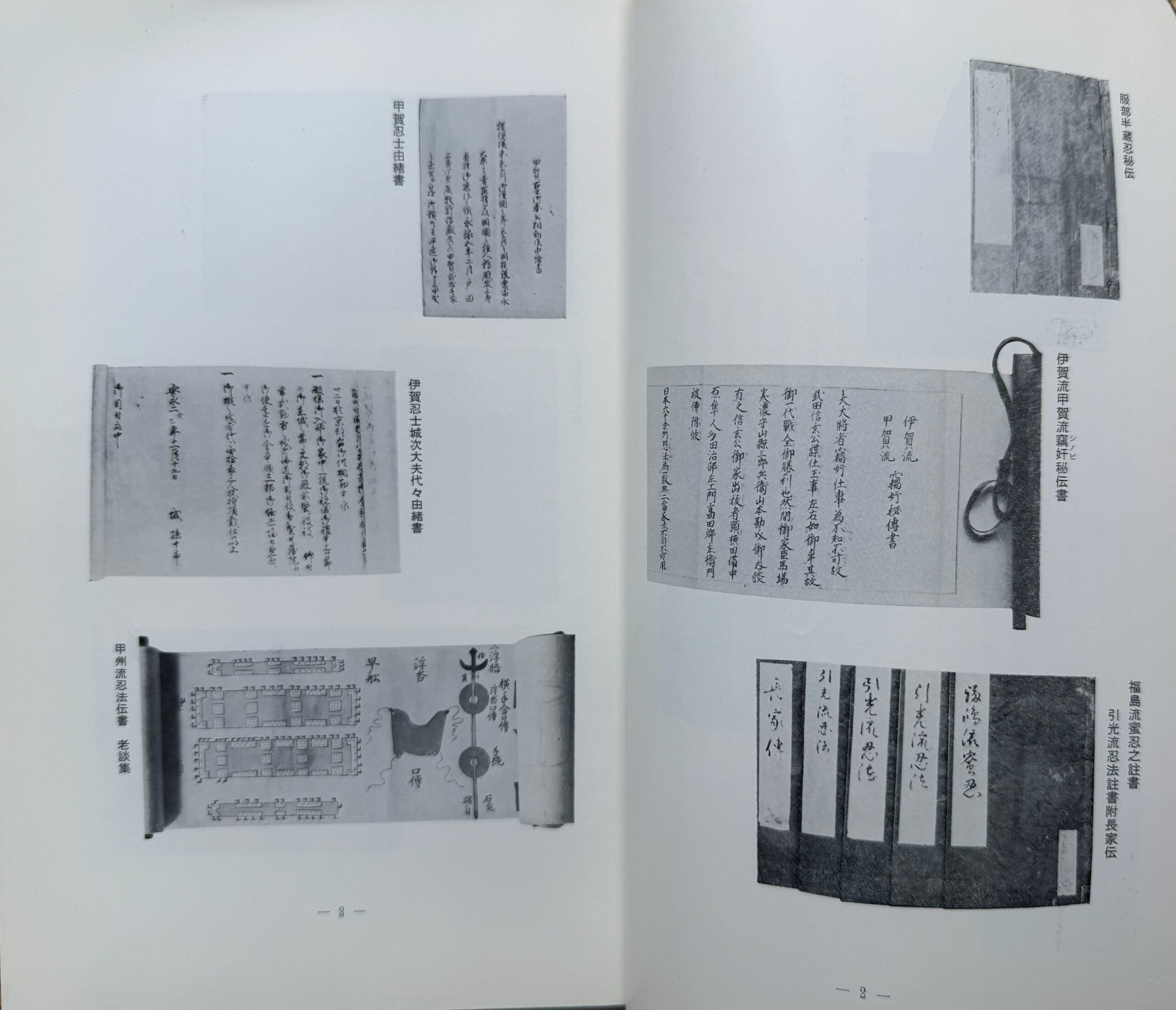
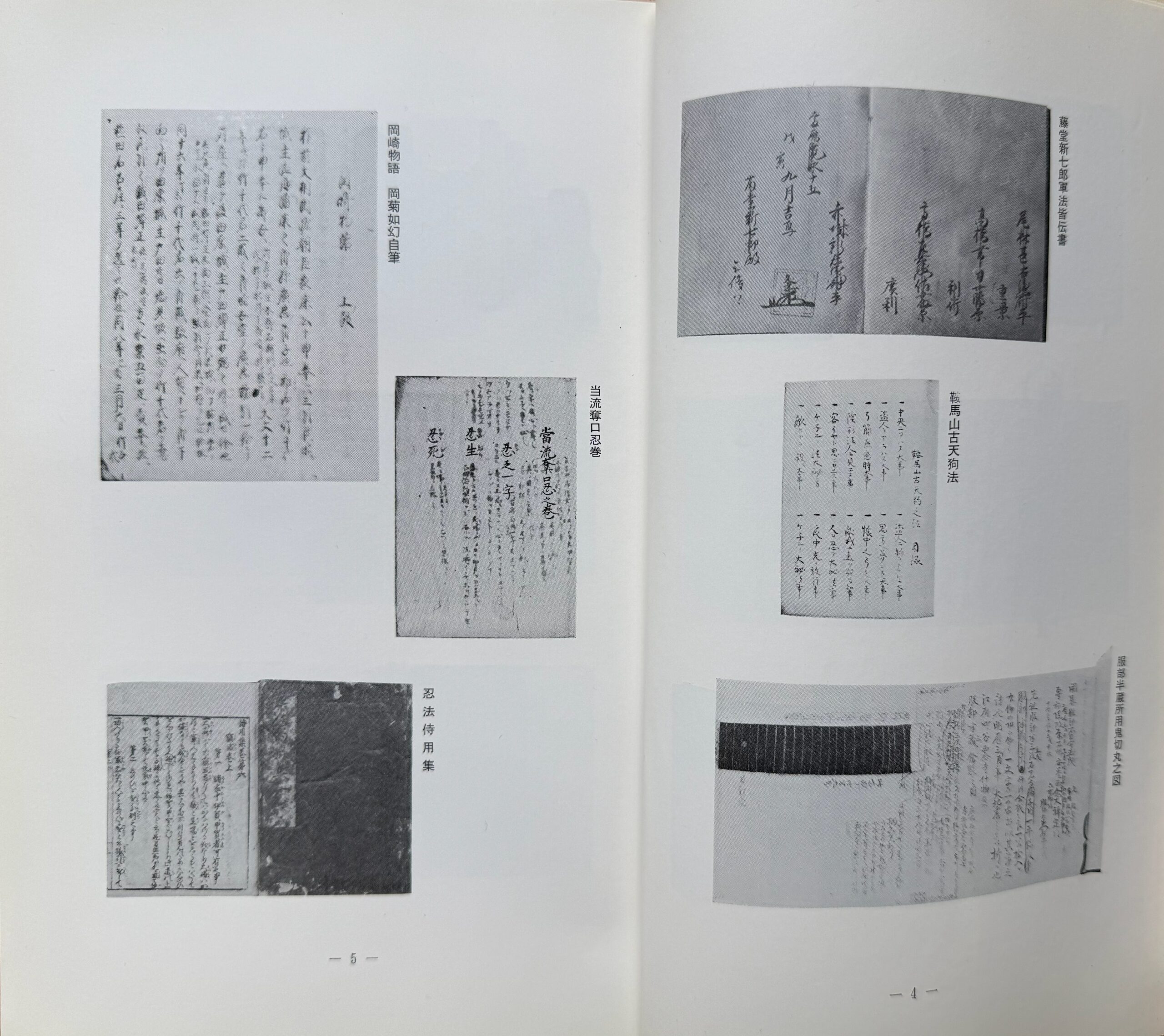
- Content: Written by Okimori Naosaburo, this volume explains the “why” behind the techniques and provides a detailed bibliography (Kaidai) of other rare ninja scrolls held in private collections.
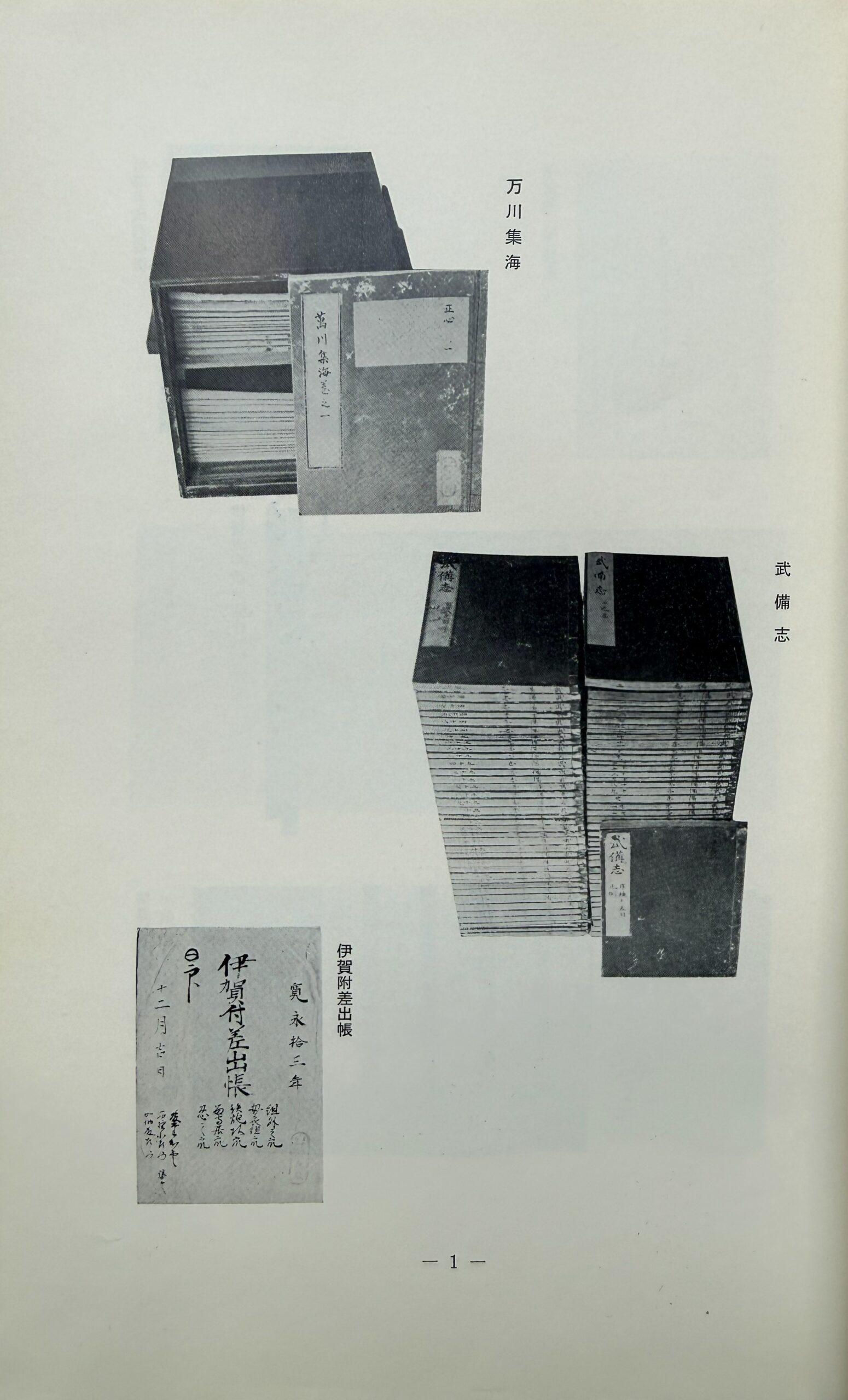
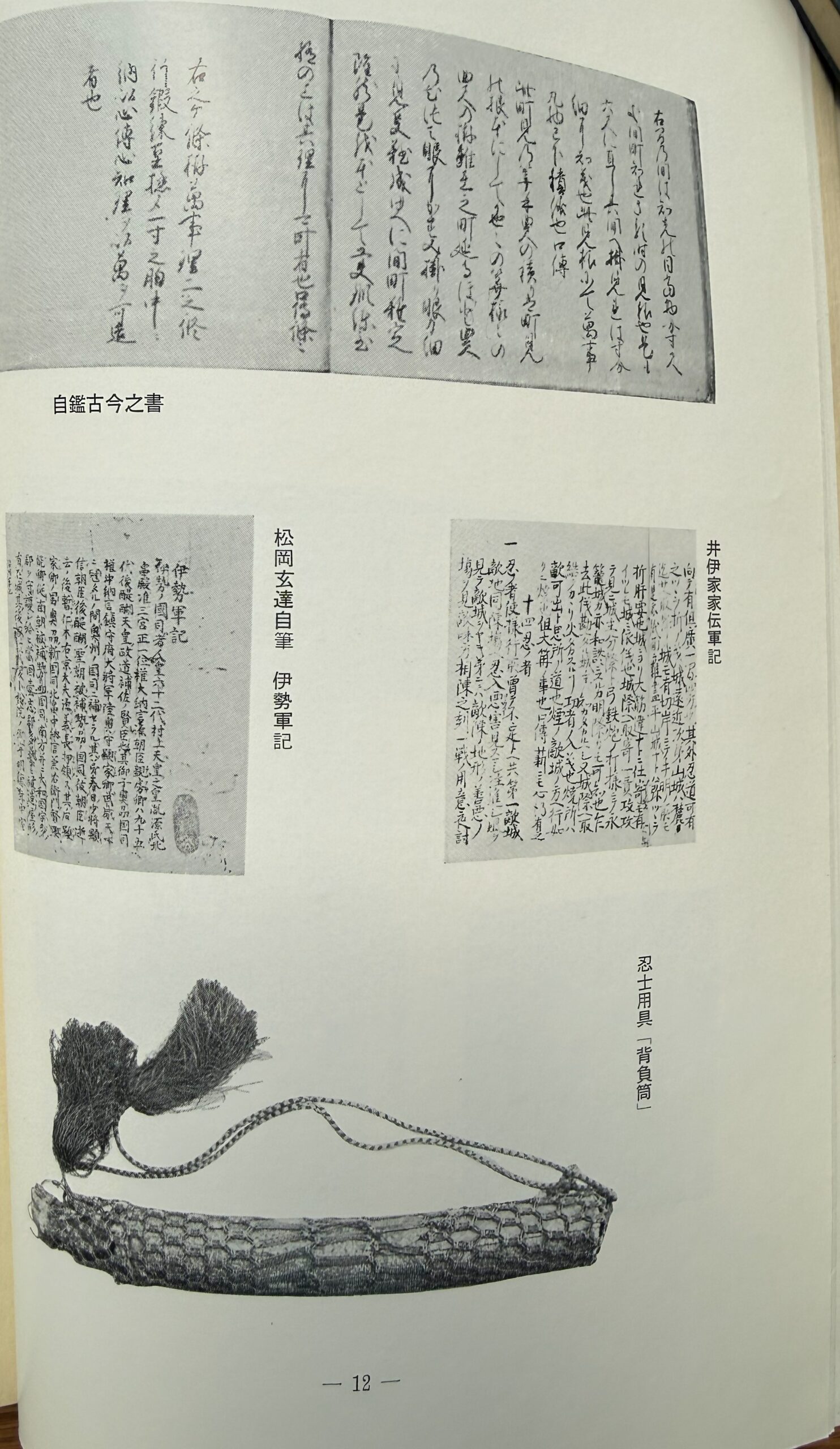
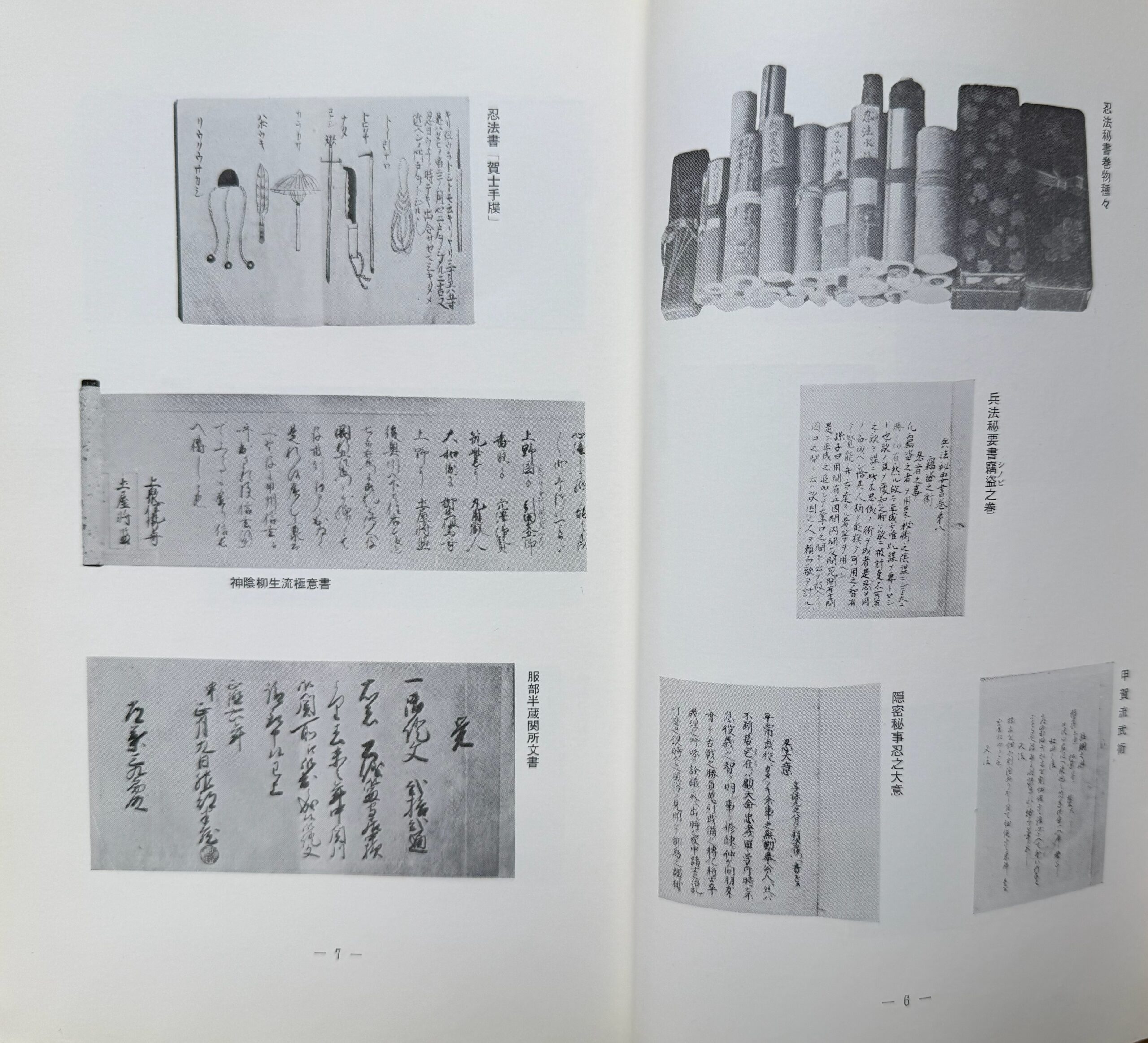
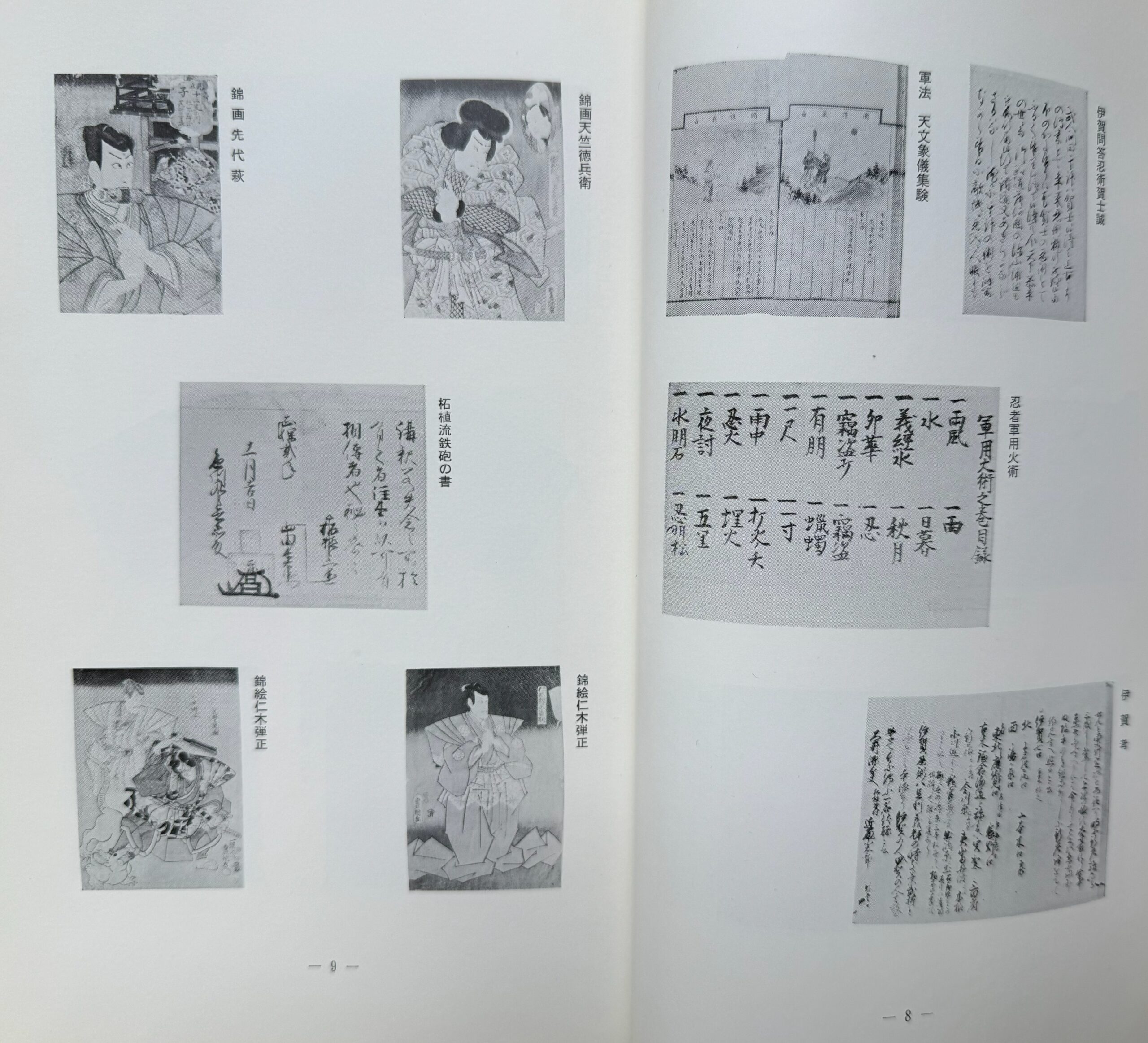
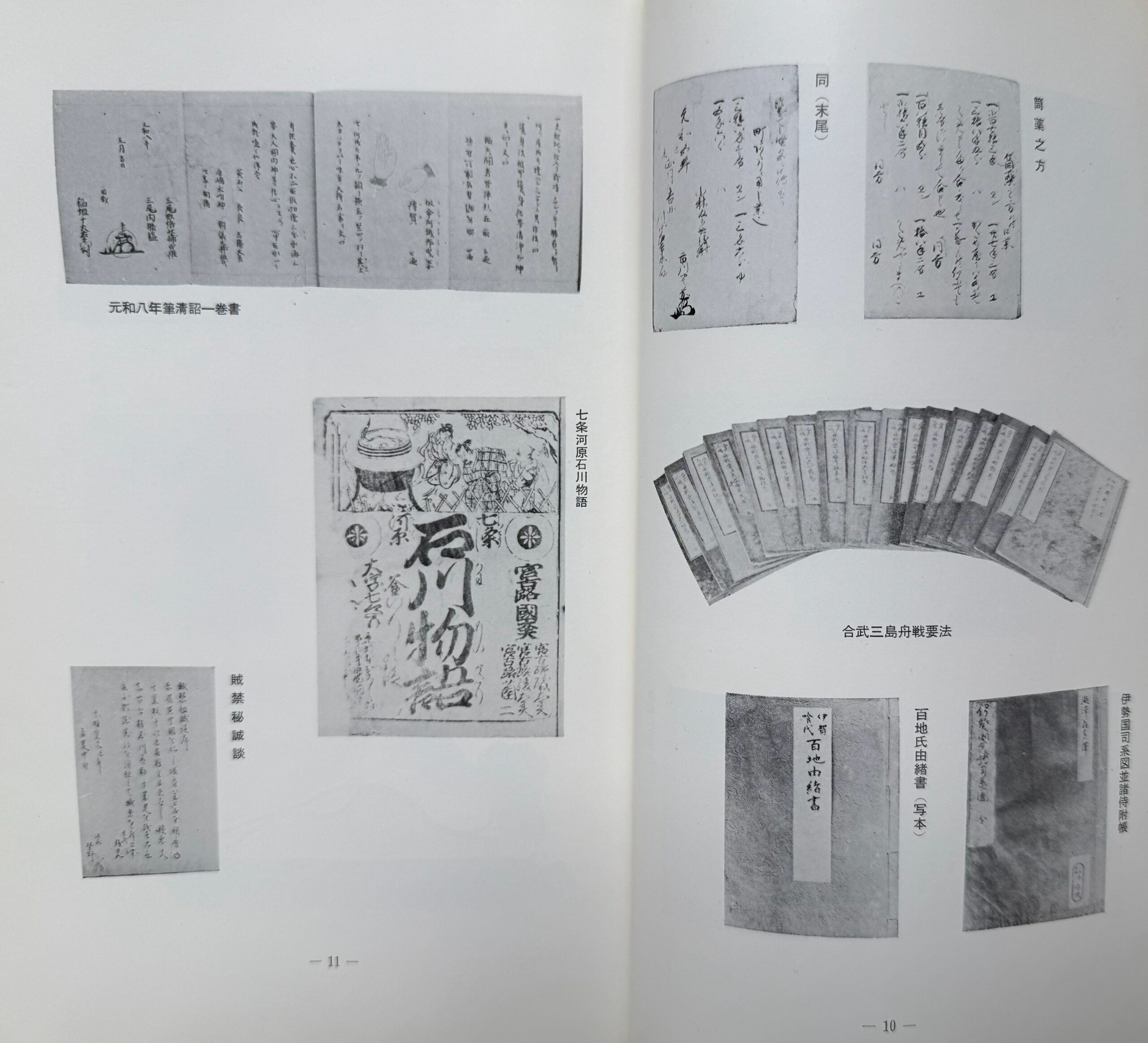
- Visuals: There are 12 pages of high-resolution glossy photo plates showcasing authentic historic artifacts like the oigo (carrying tube), family ledgers (Iga Fuchisashi Shutsu-cho), and scrolls from the Okimori private library.
II. Rare and Unusual Facts
- The “Iga Heart” Location: Unlike most ninja books published in Tokyo, this was produced at the Okimori Shoten right next to the Iga-Ueno castle, where real ninja families lived for centuries.
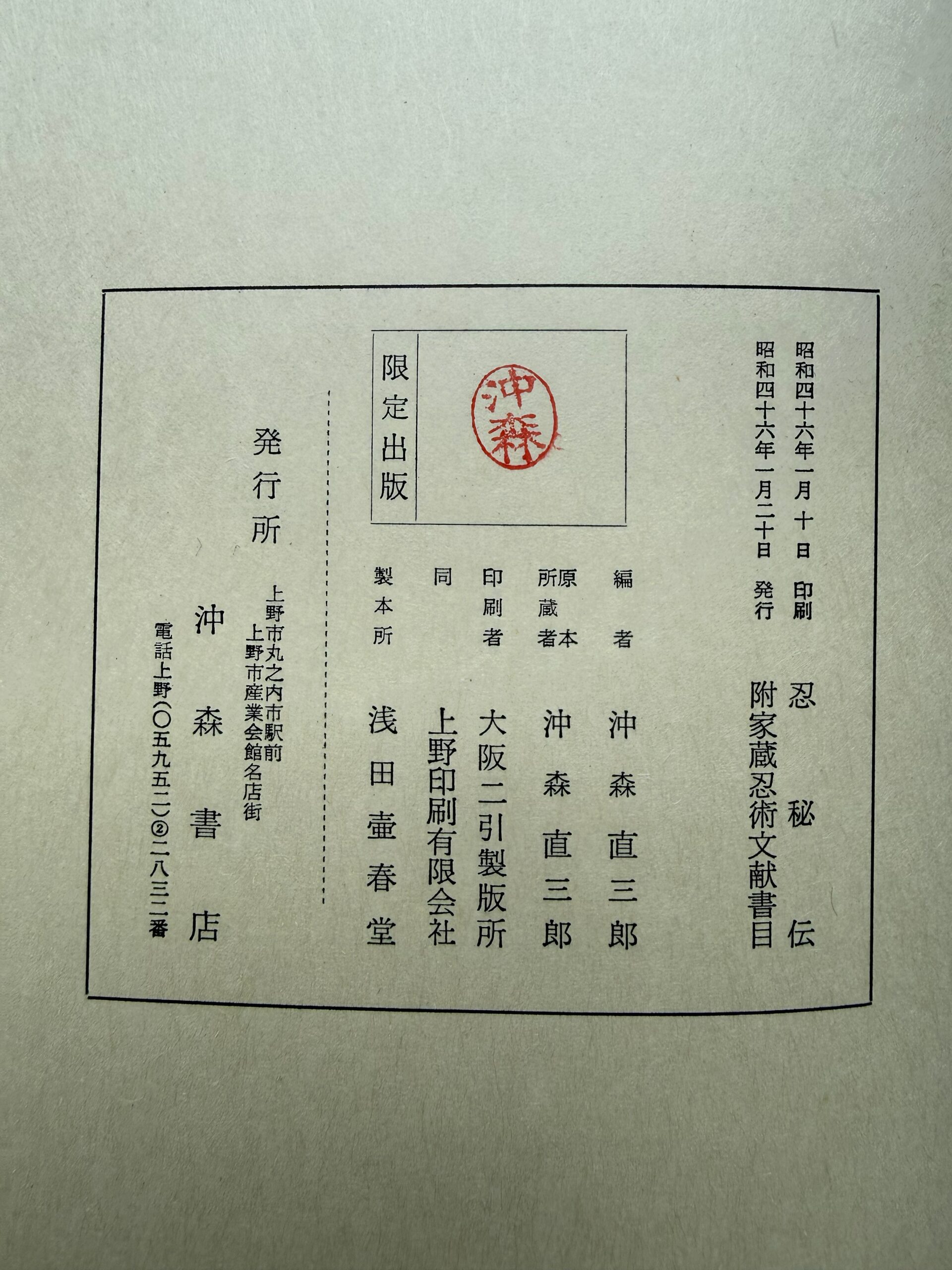
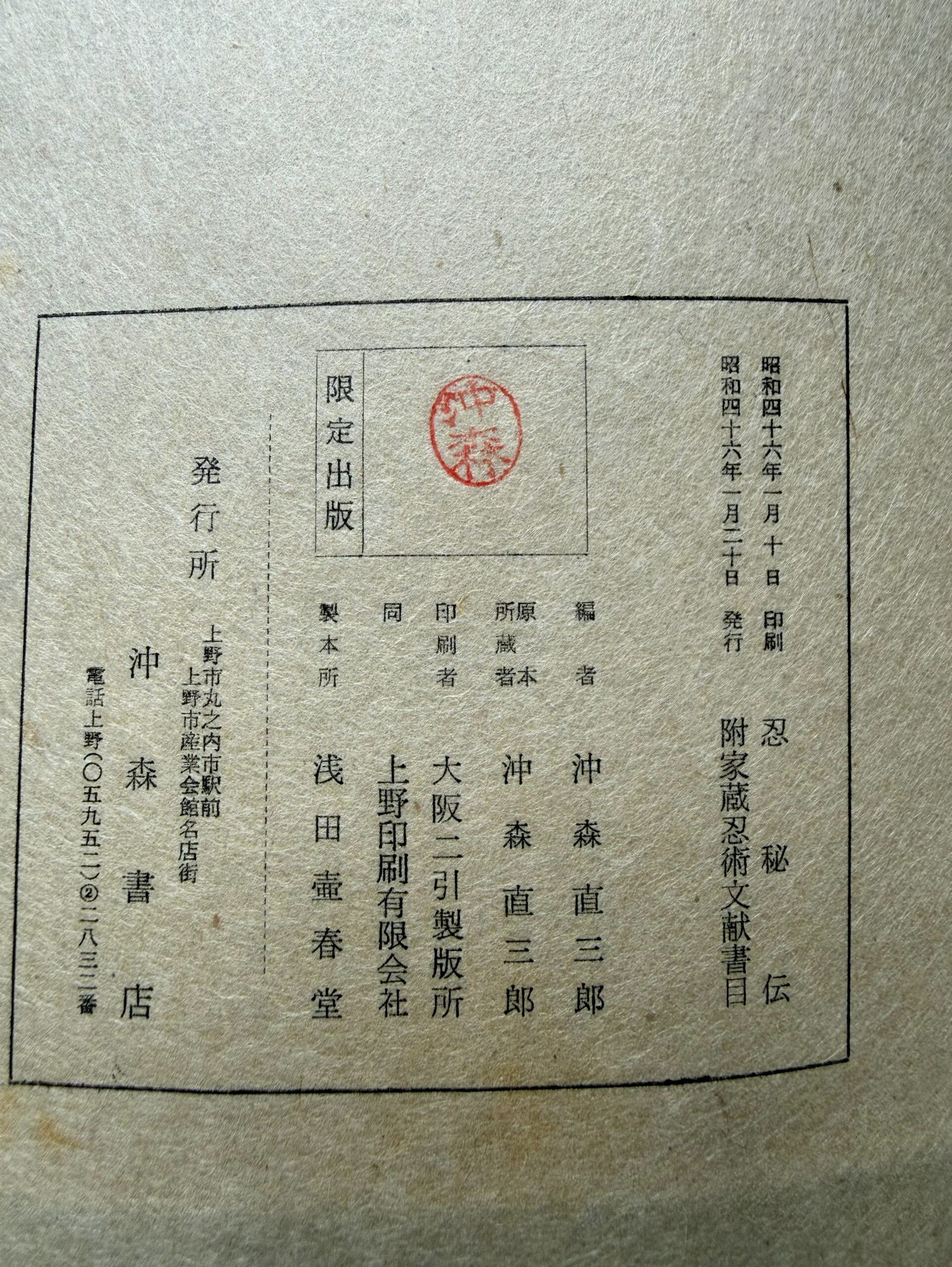
- The Double-Hanko Guarantee: The colophon features two red stamps: a large square publisher’s seal and Okimori’s personal signature seal. These verify that the set is an authorized transcription from the guardian of the original manuscript.
- The “Mistake” Proof: Historians value this edition because it preserves original transcription errors and archaic spellings. While modern books “clean up” the text, Okimori kept the quirks to allow for authentic decoding.
- A “Limited” Mystery: Marked as a Limited Edition (Gentei-shuppan), estimates suggest only 500 to 1,000 sets were ever printed. They were sold primarily to researchers and masters, making them incredibly rare on the open market today.
III. About the Editor: Okimori Naosaburo (1911–2000)
His Philosophy: Okimori famously refused to mass-market his books, believing the Ninpiden should only be owned by those with a true academic or martial heart.
Guardian of the “Demon Cutter”: Okimori Naosaburo was a pivotal figure in post-war ninja history and a contemporary collaborator of Fujita Seiko (the “Last Ninja”). While Fujita was the public face of ninjutsu, Okimori was the scholar ensuring the records survived. He was the private owner of the historical documents for the Onikirimaru, the legendary spear once owned by Hattori Hanzo Masanari.
Genealogist of the “Iga-mono”: He spent decades tracking descendants of the Iga and Kōka families to verify that scrolls were authentic heirlooms rather than Edo-period forgeries.
Founder of the Museum: He was a key contributor to the Iga-ryu Ninja Museum (est. 1964), personally helping to relocate an original Edo-period “Ninja House” to the castle grounds.
The “Okimori Bunko” Library: He maintained a massive private library of ninjutsu literature; many of the 400+ tools on display at the Iga museum today were originally sourced or identified by him.
Edition details
- Published:
- 02/20/1971
- Publisher:
- Okimori Shoten
- Edition:
-
- • Edition Type: Limited Edition (Gentei-ban / 限定版)
- • Editor: Okimori Naosaburo (沖森直三郎, 1911–2000)
- • Publication Date: January 20, 1971 (Showa 46)
- • Location: Ueno City (now Iga City), Mie Prefecture
- • Vol. 1 Format: Traditional Waso-bon (Thread-bound)
- • Vol. 2 Format: Western Hardcover Commentary
- • Enclosure: Complete Two-Volume Set in Slipcase
- Condition:
- Good
- Slipcase:
- Yes