
忍の里の記録
Shinobi no Sato no Kiroku
- Author:
- Ishikawa Masatomo (石川 正知)
- Category:
- Ninjutsu
- Collection:
- Robert C. Gruzanski Collection
Description
Shinobi no Sato no Kiroku (Records of the Ninja Villages) stands as a monumental, objective regional study of the historical Koka and Iga warrior clans. Rather than feeding into the pop-culture fantasies of the late-20th-century martial arts craze, this dense volume presents an administrative, land-based census tracing the true sociological roots of the ninja.
The Author: Ishikawa Masatomo (The “Librarian Detective”)
- Archival Excavation: Ishikawa Masatomo was a professional archival librarian stationed at the Shiga Prefecture Library. He used his institutional clearance to hunt down uncataloged deeds, regional temple registers, and private family scrolls hidden away in rural storehouses for centuries.
- Community Access: Though not of ninja lineage himself, his siblings married directly into old, traditional families in the rural villages of Tsuchiyama and Ohara. This kinship granted him the rare “community trust” required to view tightly guarded private family papers that outside academics were forbidden from reading.
- Terrain Exploration: He functioned as a hands-on field explorer, personally trekking into remote Shiga mountain ruins to map out and verify the physical defensive positions described in the old war records.
Key Content & Page References
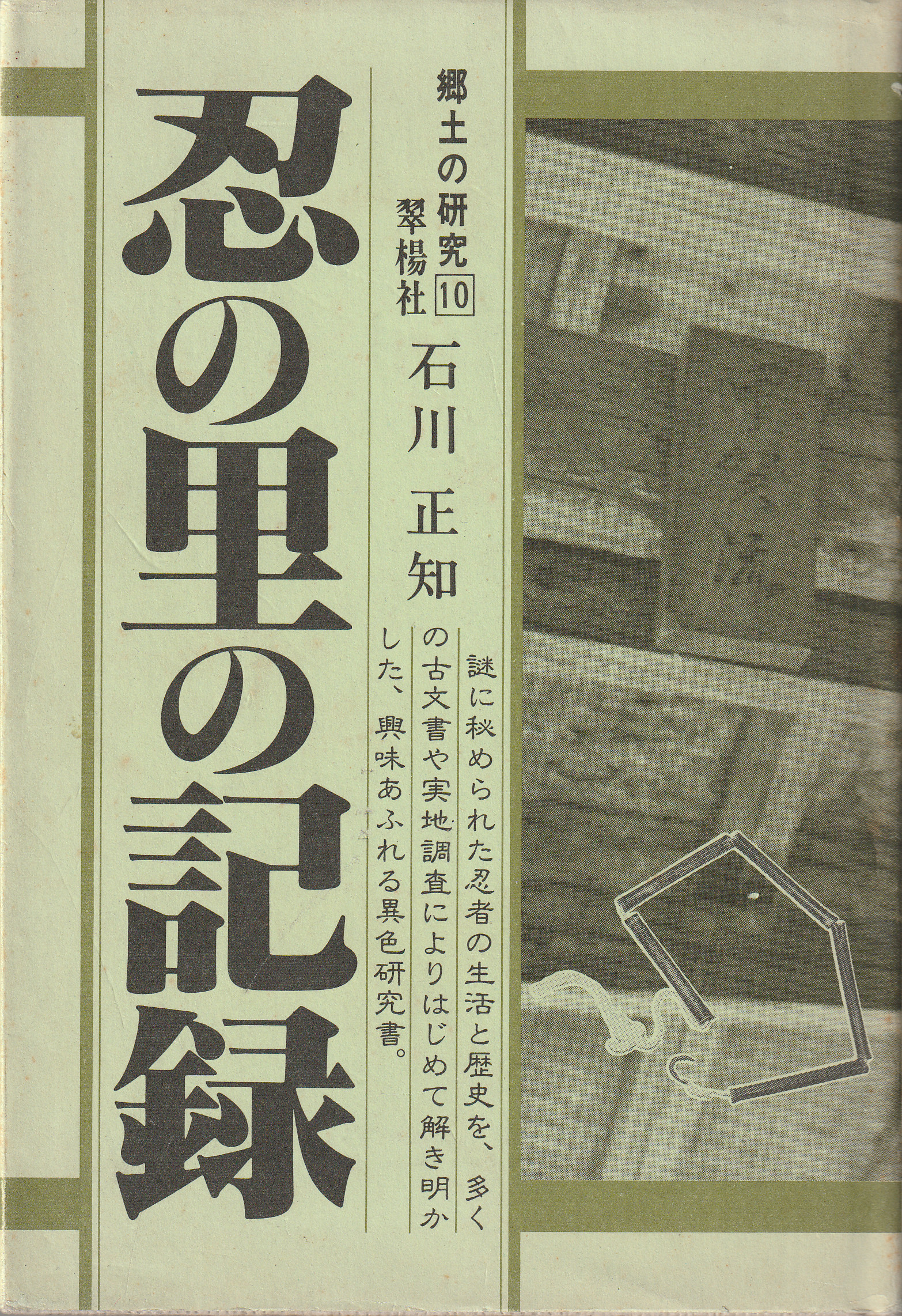
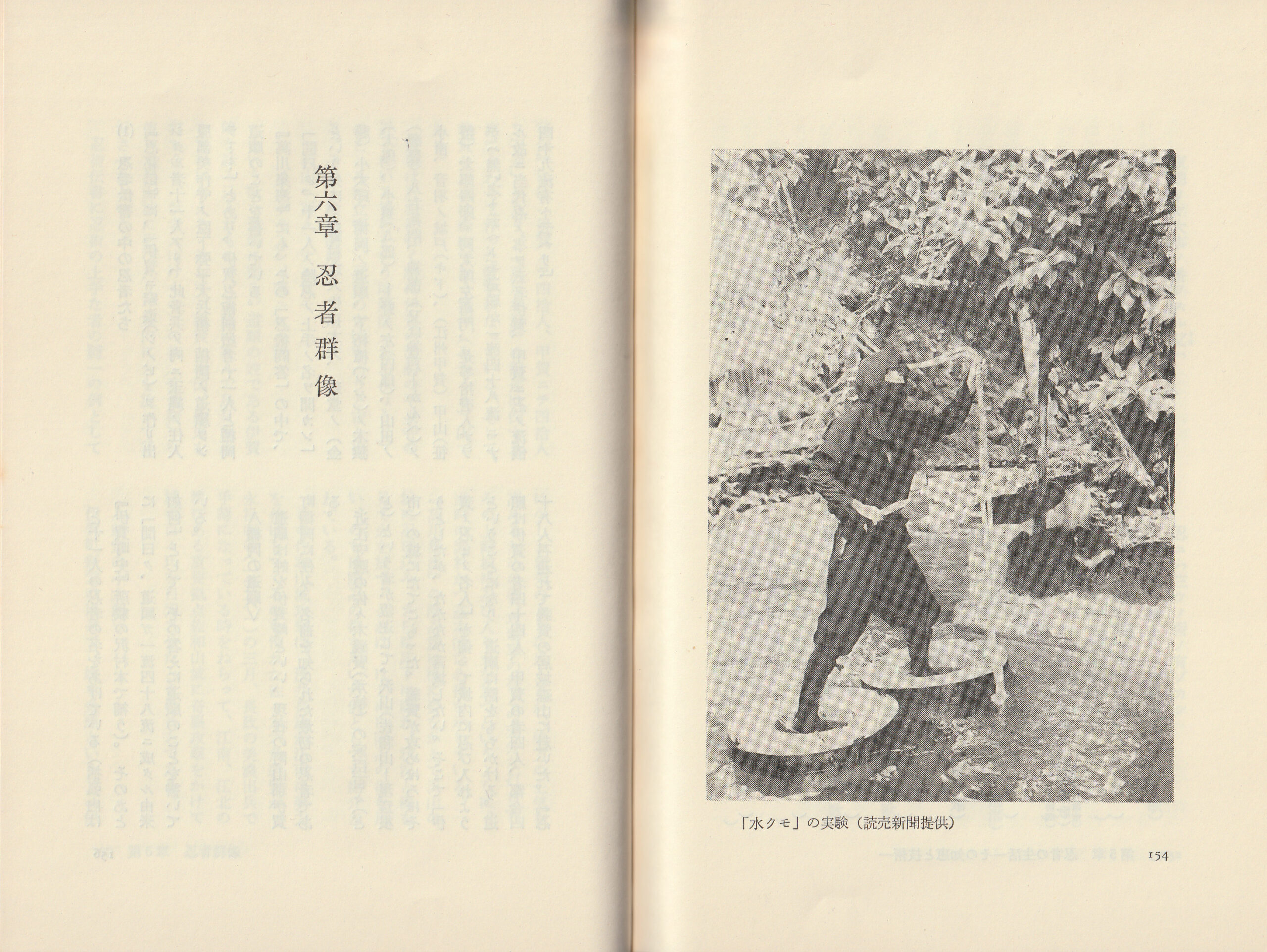
- Visual Evidence (p. 154): In Chapter 6 (Ninja Gunzō), Ishikawa uses real-world photography to test ancient military tech. Page 154 details a practical, experimental reconstruction of the Mizugumo (water spider shoes) to analyze its buoyancy limits.
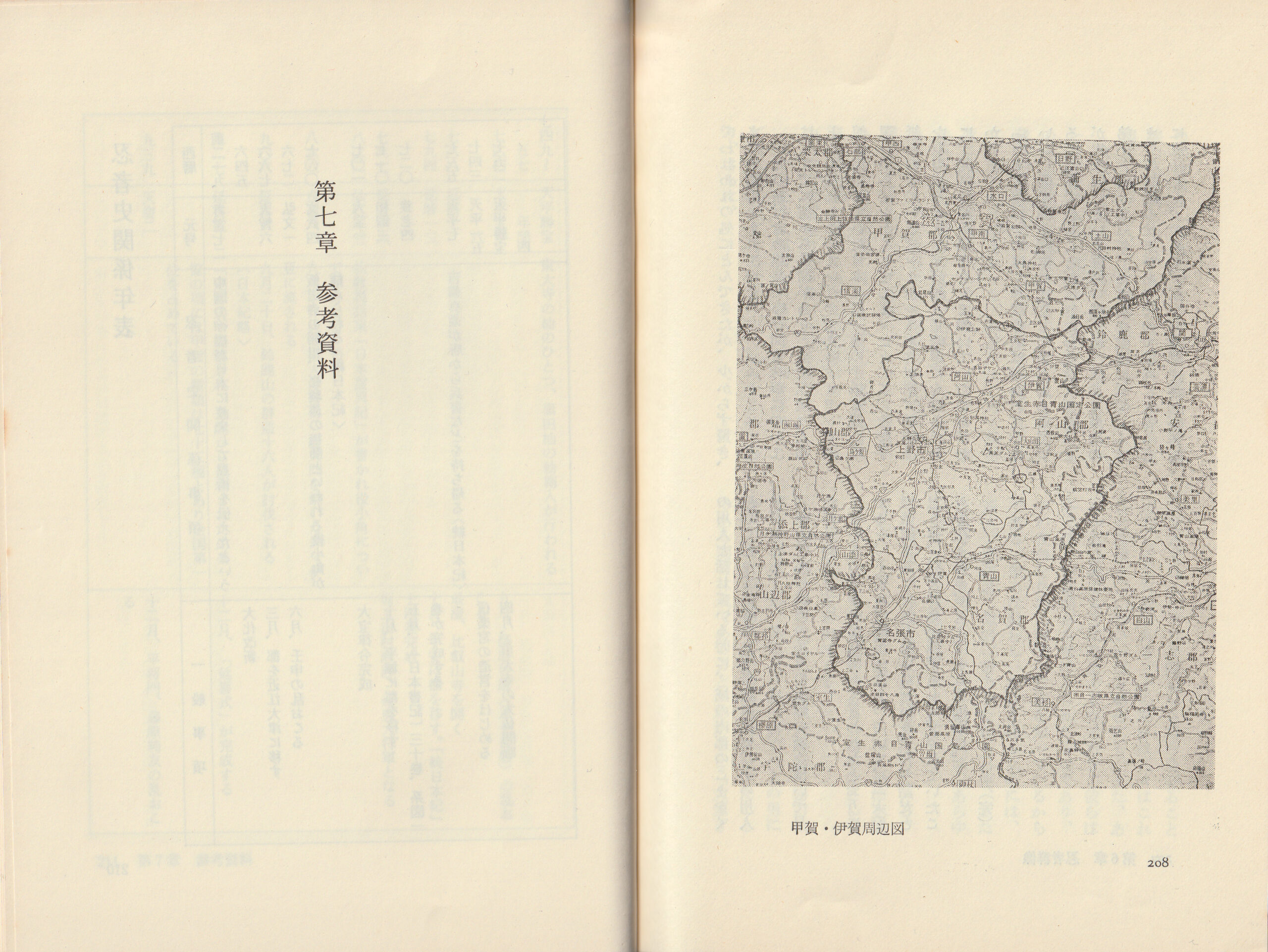
- Regional Topography (pp. 208–209): Includes detailed geographical maps of the historical Koka and Iga border territories, charting the strategic valleys that protected the clans.
- The Great Timeline (pp. 210–221): A massive horizontal chronology cross-referencing shadow clan movements alongside standard Japanese imperial history from the year 600 through 1682, thoroughly covering the 1581 Tenshō Iga War.
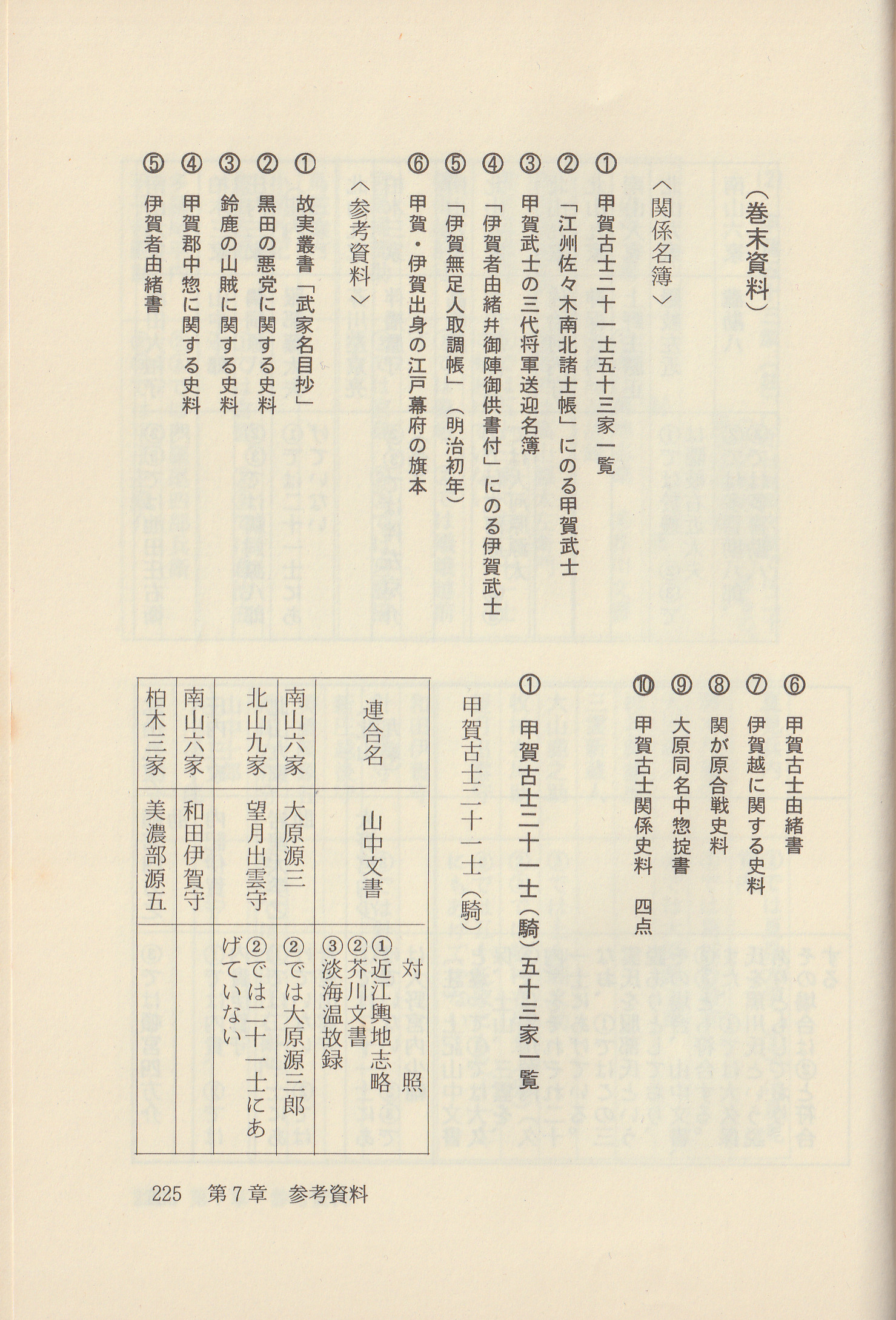
- The Clan Index (p. 225): A specialized master matrix categorizing regional houses into the four classic geographical blocks: Nanzan, Kitayama, Shonai, and Kashiwagi.
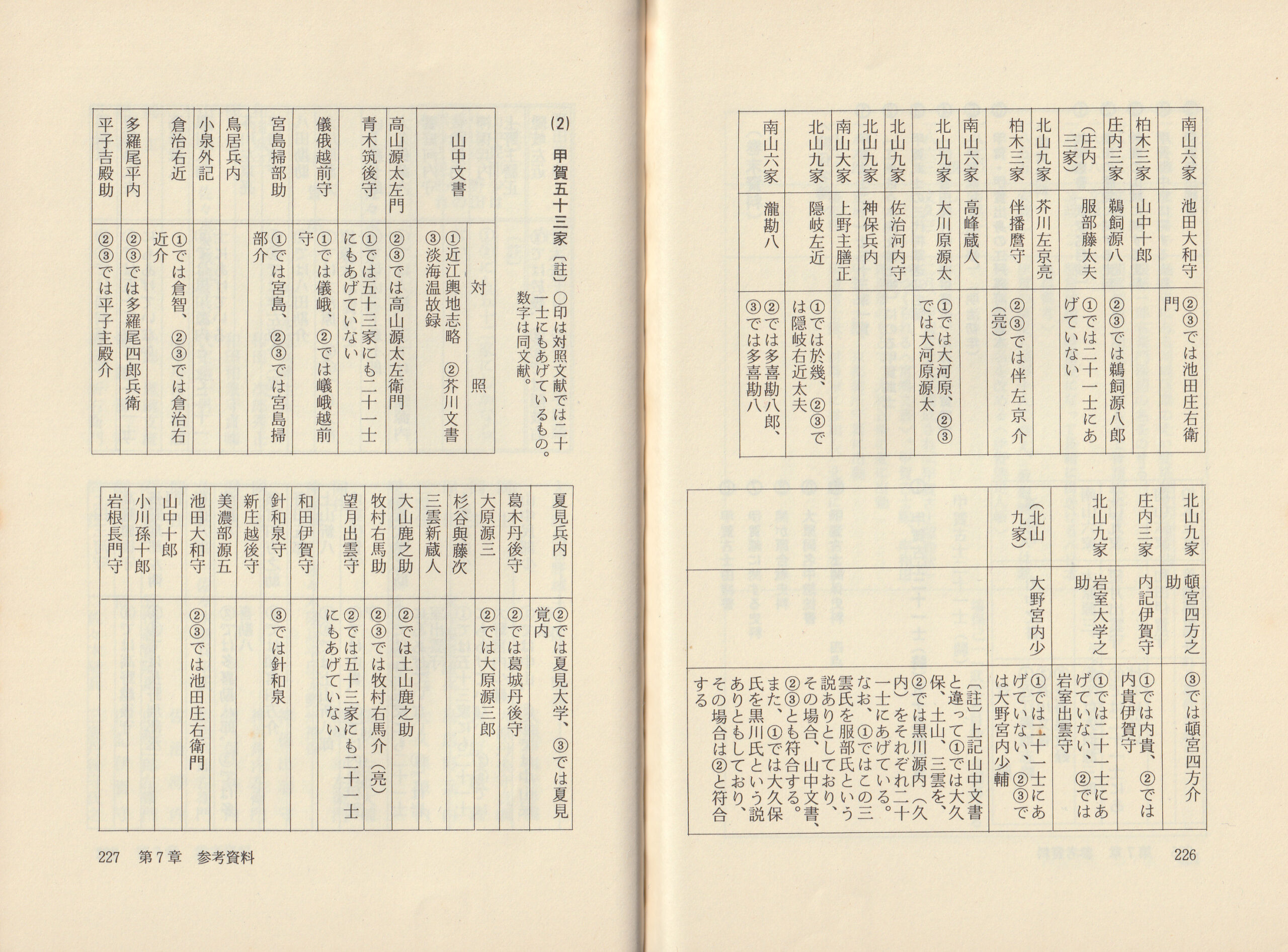
- The Koka 53 Families (pp. 226–227): A definitive registry of the elite Koka houses verified against ancient scrolls, highlighting the prime lineages of Mochizuki, Yamanaka, and Ban.
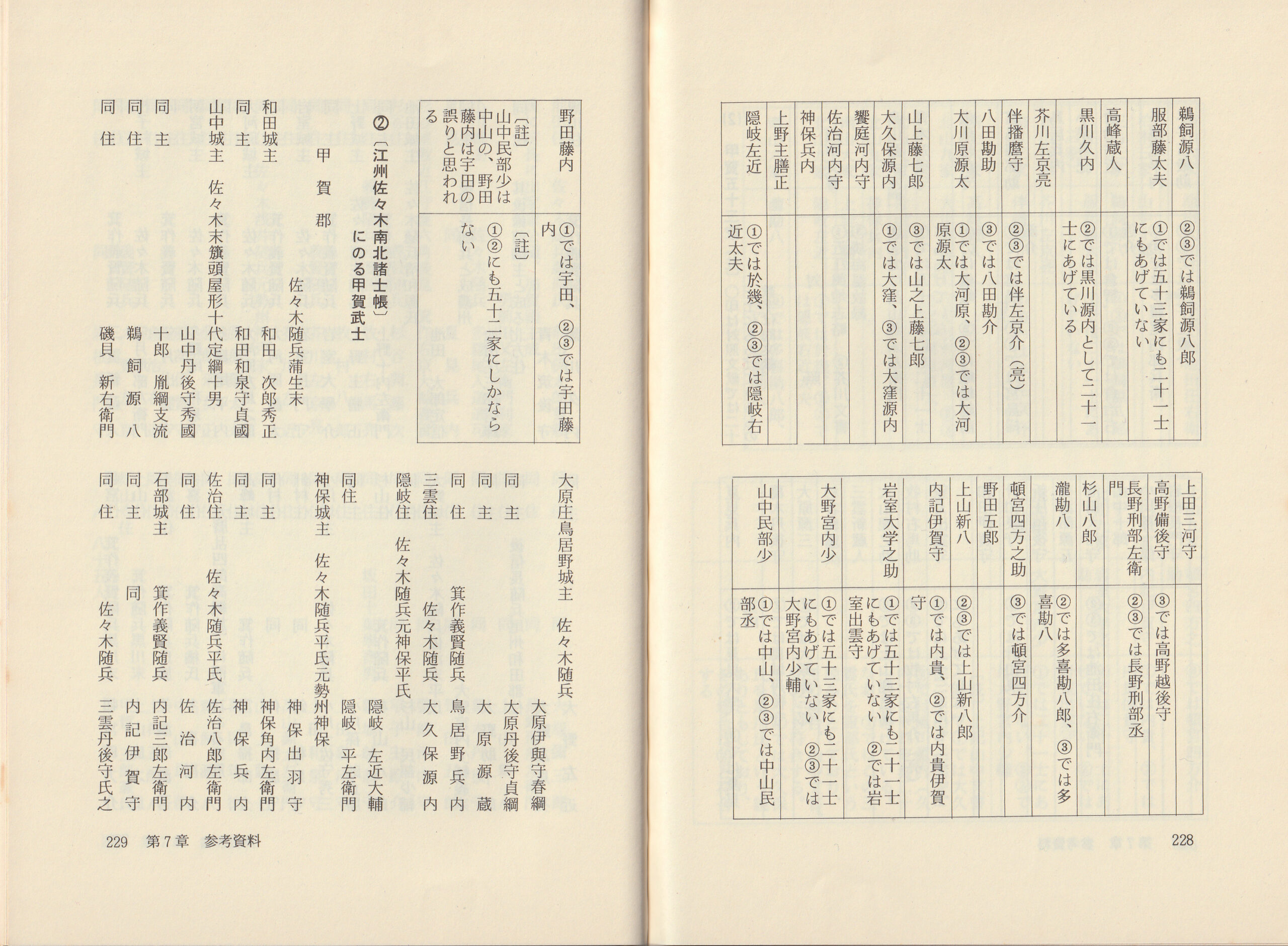
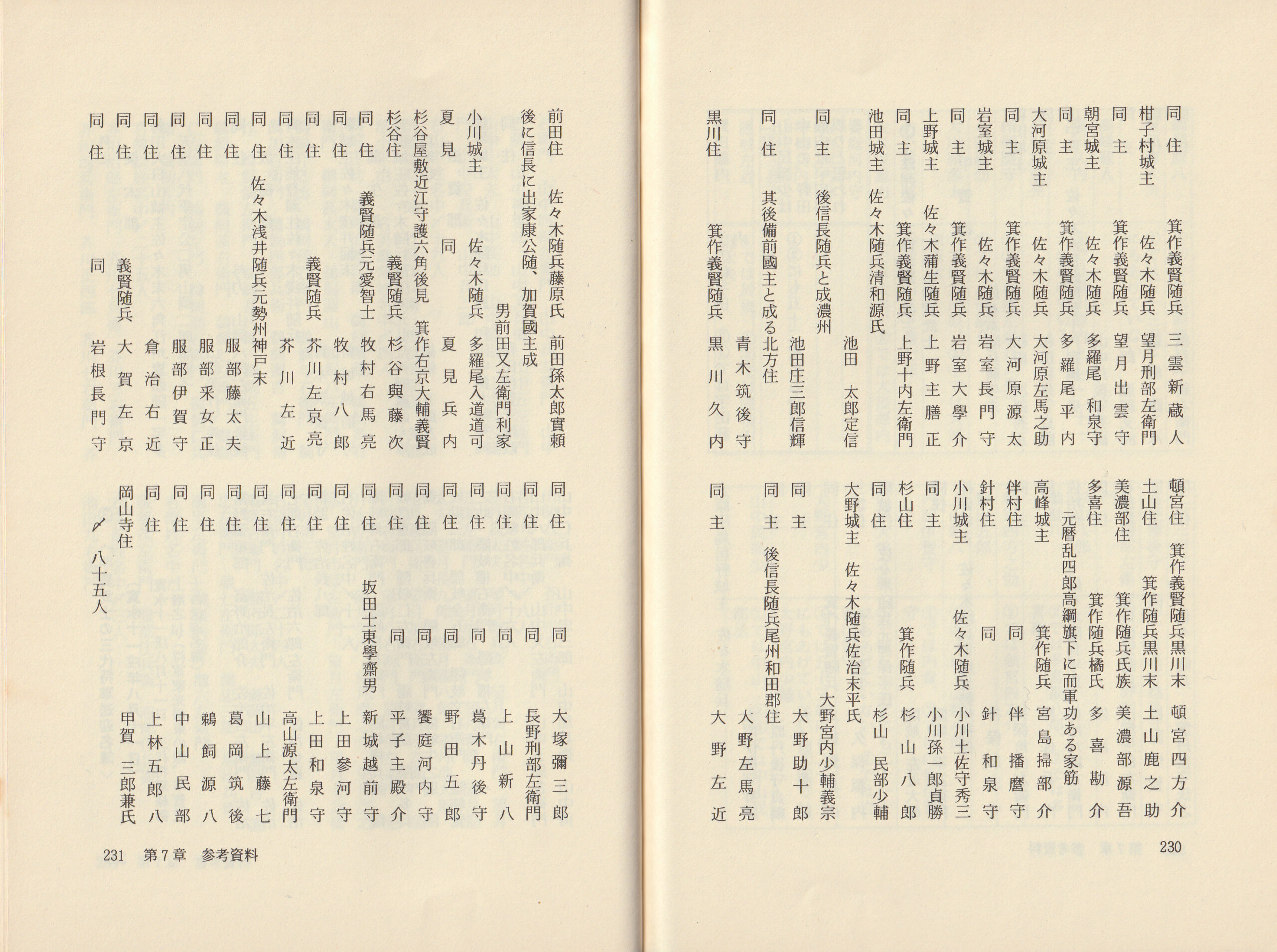
- The Sasaki Warrior Records (pp. 228–231): Lists rural Koka warriors recognized as defensive Castle Lords (Jōshu), containing an expanded tracking directory of 85 prominent local families.
- The Elite Twenty-One (pp. 232–233): The historical register of the Koka Nijūichi-ke, the innermost core circle of samurai families recognized for elite tactical valor during the famous 1487 Magari Campaign.
The Book’s Modern Legacy
Ishikawa wrote this volume as an intellectual “Last Stand” to defend his regional ancestors against the highly commercialized “Ninja Boom” of the 1960s and 70s. He sought to restore historical dignity to his home province by proving that ninja were highly organized, landed samurai landholders (jizamurai) rather than low-born mercenary thieves. Despite his humble self-description as a “non-expert,” his lifelong archival effort is highly revered by elite academics and is cited as a primary resource by the International Ninja Research Center at Mie University.
Edition details
- Published:
- 11/01/1984
- Publisher:
- Suiyōsha
- Edition:
-
- • Edition Status: Second Printing (第2刷)
- • Specific Release Date: October 1, 1984 (昭和59年10月1日)
- • Note on Origins: The true first edition was originally released in January 1982.
- • Target Retail Pricing: 1,800 Yen
- • Regional Distribution: Published out of Nerima, Tokyo.
- • Production Crew: Printed by Universal Print Co., Ltd. (株式会社ユニバーサル・プリント)
- Condition:
- Good
- Dust jacket:
- Yes