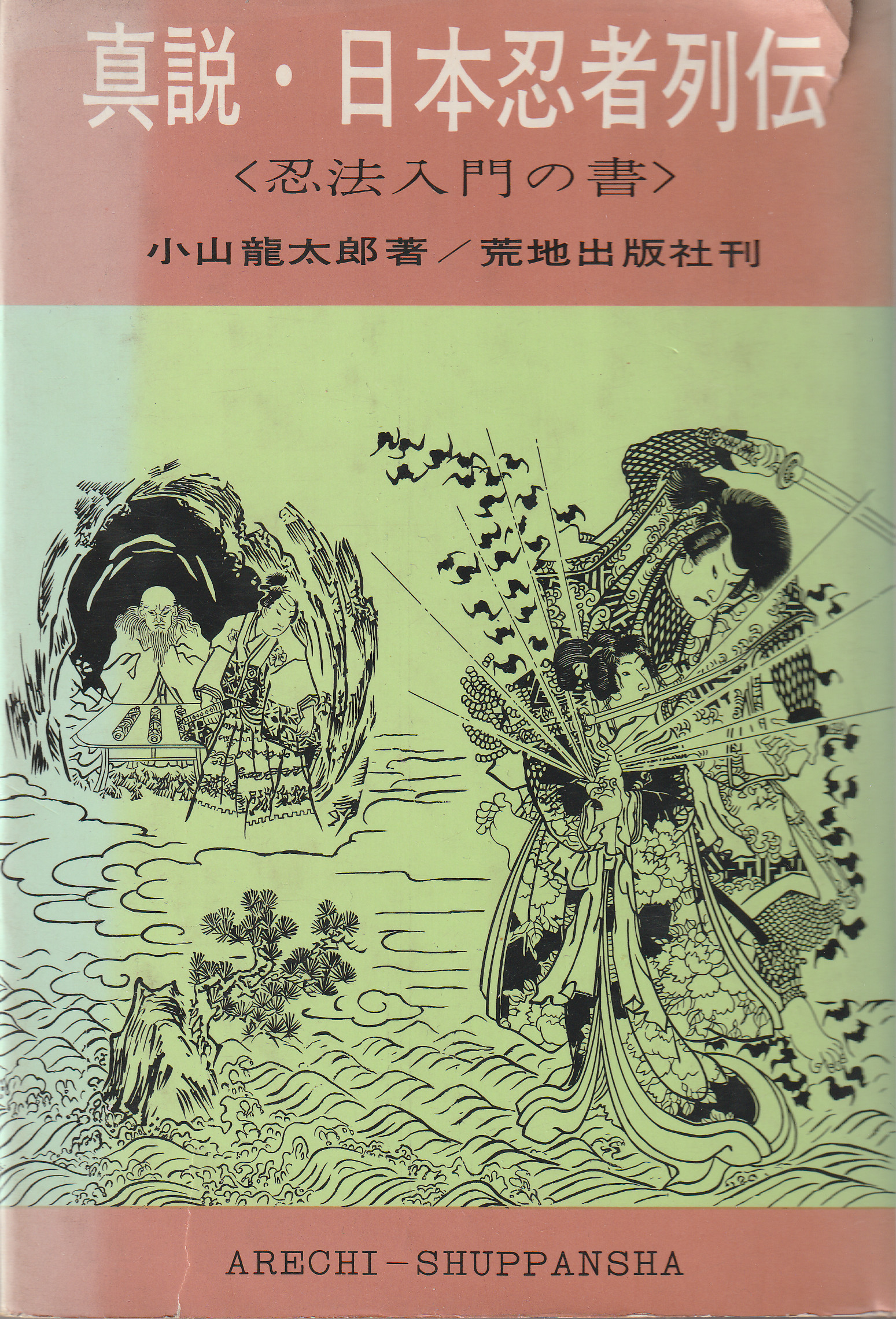
真説・日本忍者列伝
Shinsetsu Nihon Ninja Retsuden
- Author:
- Koyama Ryutaro (小山 龍太郎)
- Category:
- Ninjutsu
- Collection:
- Robert C. Gruzanski Collection
Description
This specific copy of “Shinsetsu Nihon Ninja Retsuden” (True Stories: Biographies of Japanese Ninjas) is a museum-quality artifact because it directly links two of the most influential figures in modern ninja research.
Book Description
Published at the peak of the 1964 “Ninja Boom” in Japan, this book was designed to be a rationalist’s guide to the shinobi.
- Purpose: Koyama Ryūtarō wrote it to debunk the “magical” ninja of movies and manga, instead focusing on the ninja as a master of psychological warfare, intelligence gathering, and guerrilla tactics.
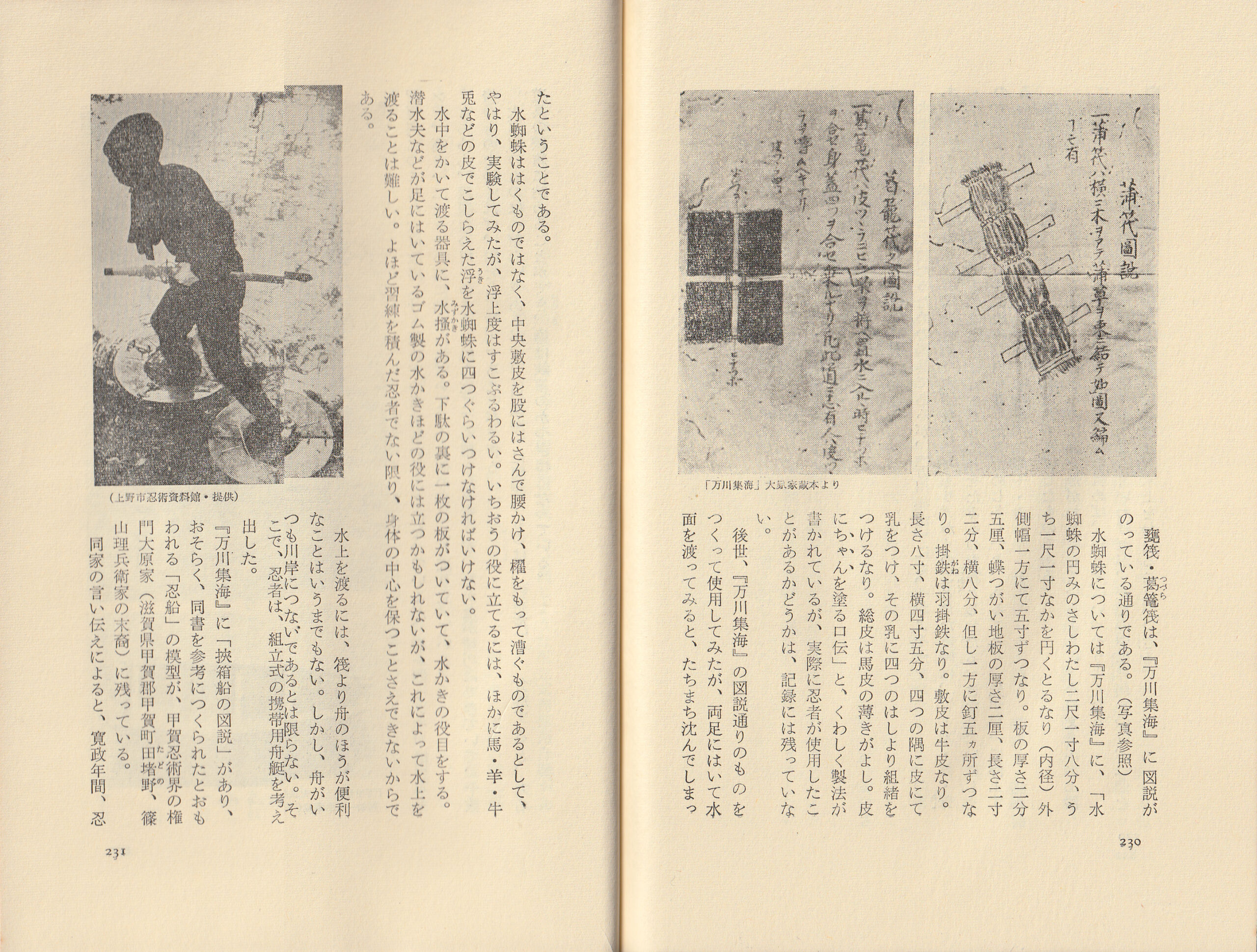
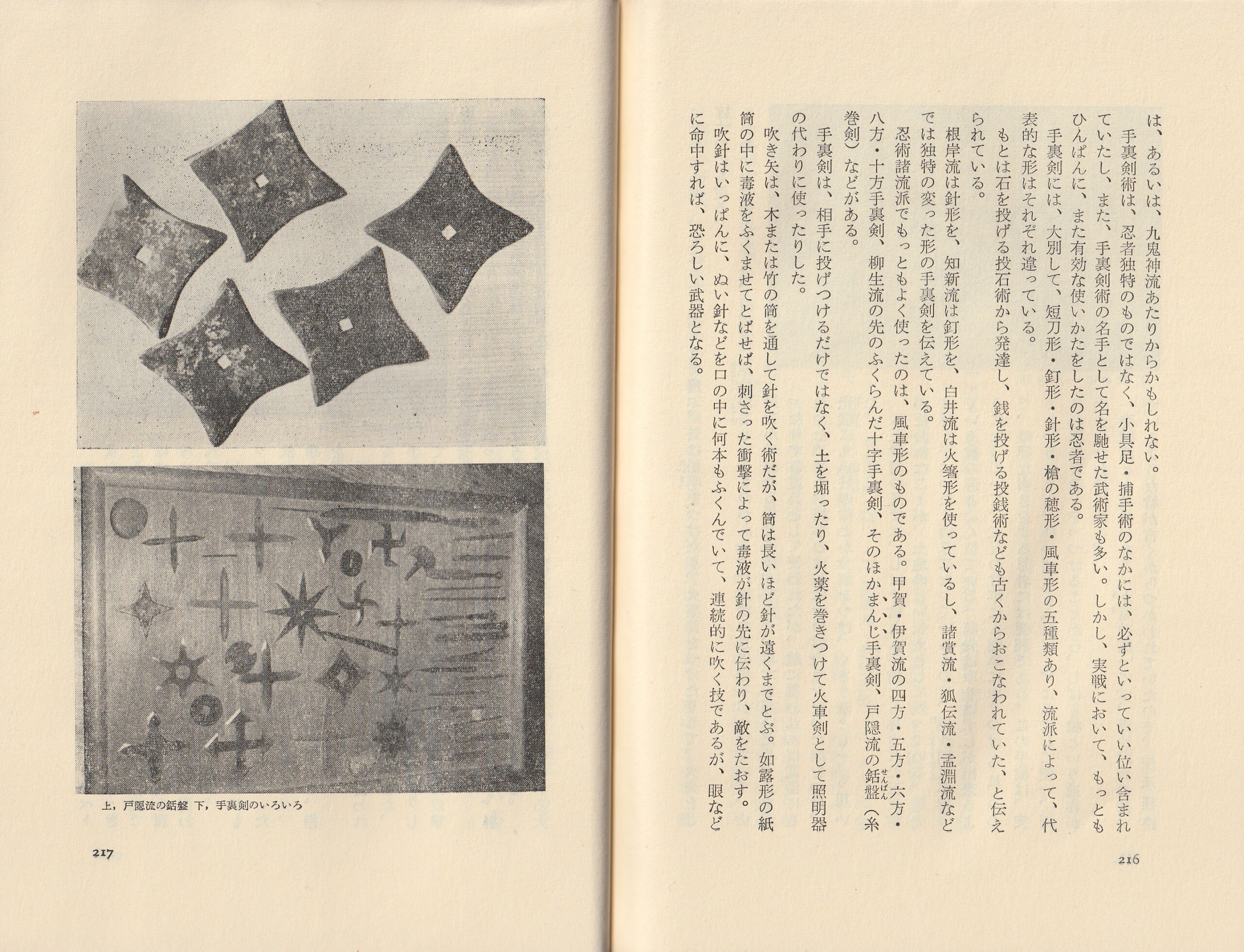
- Visuals: It is famous for its high-quality photographs of authentic ninja tools (like the mizugumo and shuriken) and its detailed maps of the Iga and Koka regions.
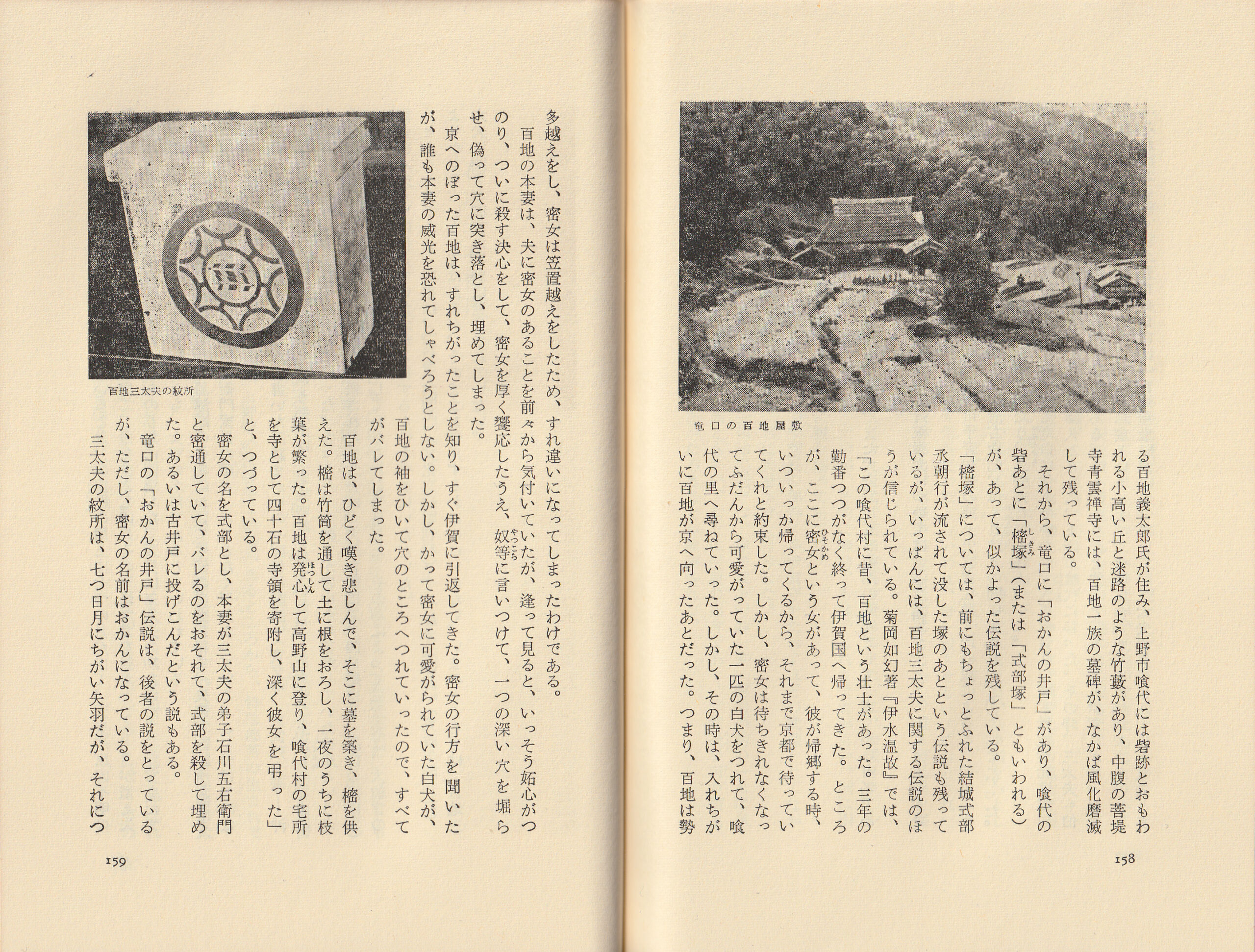
- Structure: It balances historical biographies of famous figures like Momochi Sandayū with technical “how-to” chapters on infiltration and specialized weaponry.
The Signature: A Historical Connection
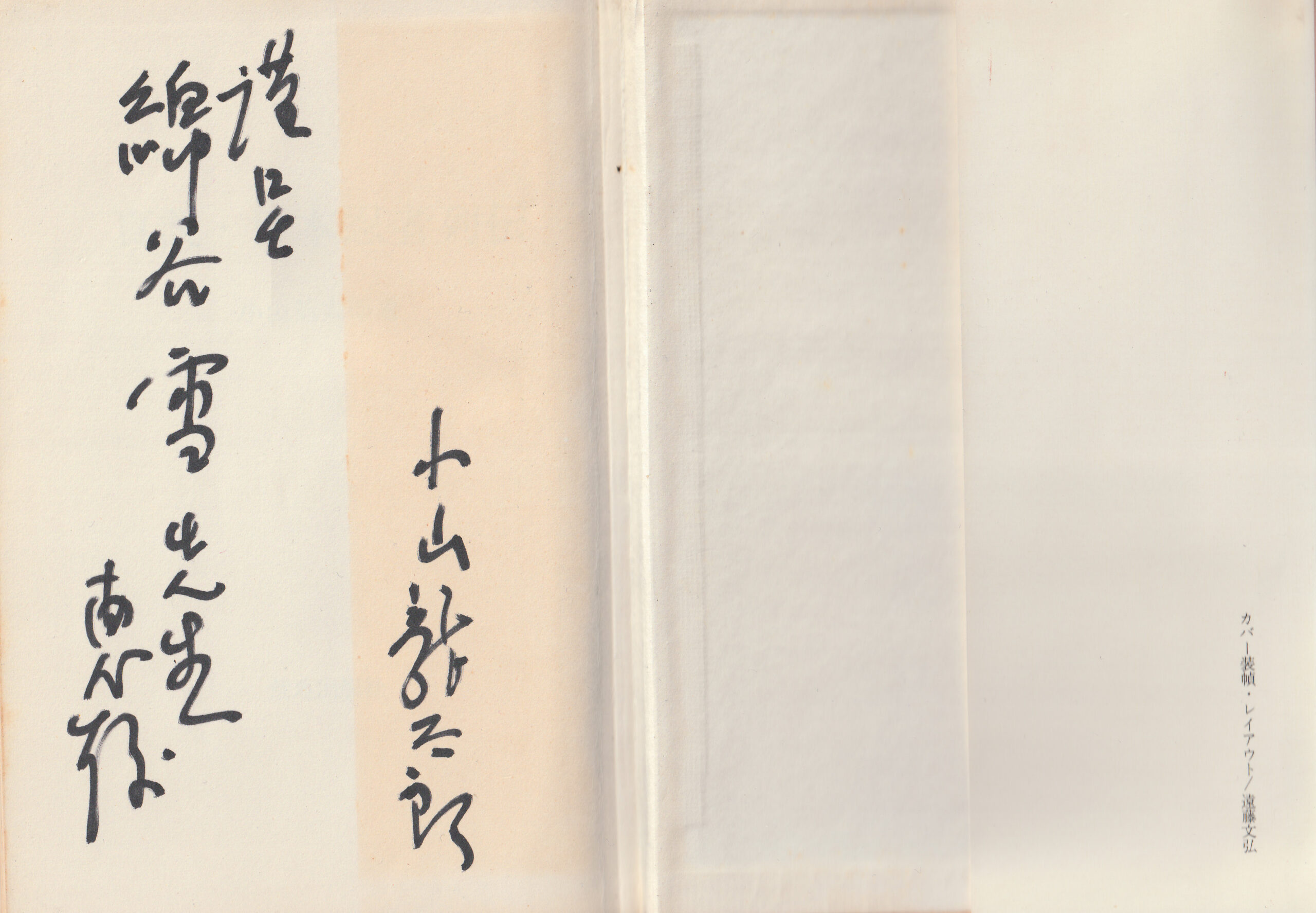
The inscription on the inside cover is a “Kintei-bon” (Presentation Copy), which is far more significant than a standard autograph.
- The Inscription: “Respectfully presented to Professor Watatani Kiyoshi… Please accept this gift. [Signed] Koyama Ryūtarō.”
- The Recipient: Watatani Kiyoshi was the leading authority on Japanese martial arts history. By gifting this book to him, Koyama was essentially submitting his work for the “approval” of the master historian.
- Provenance: This copy likely sat on the personal bookshelf of the man who wrote the Encyclopedia of Martial Arts Schools, making it a “witness” to the foundational years of ninja scholarship.
Unknown & Fascinating Facts
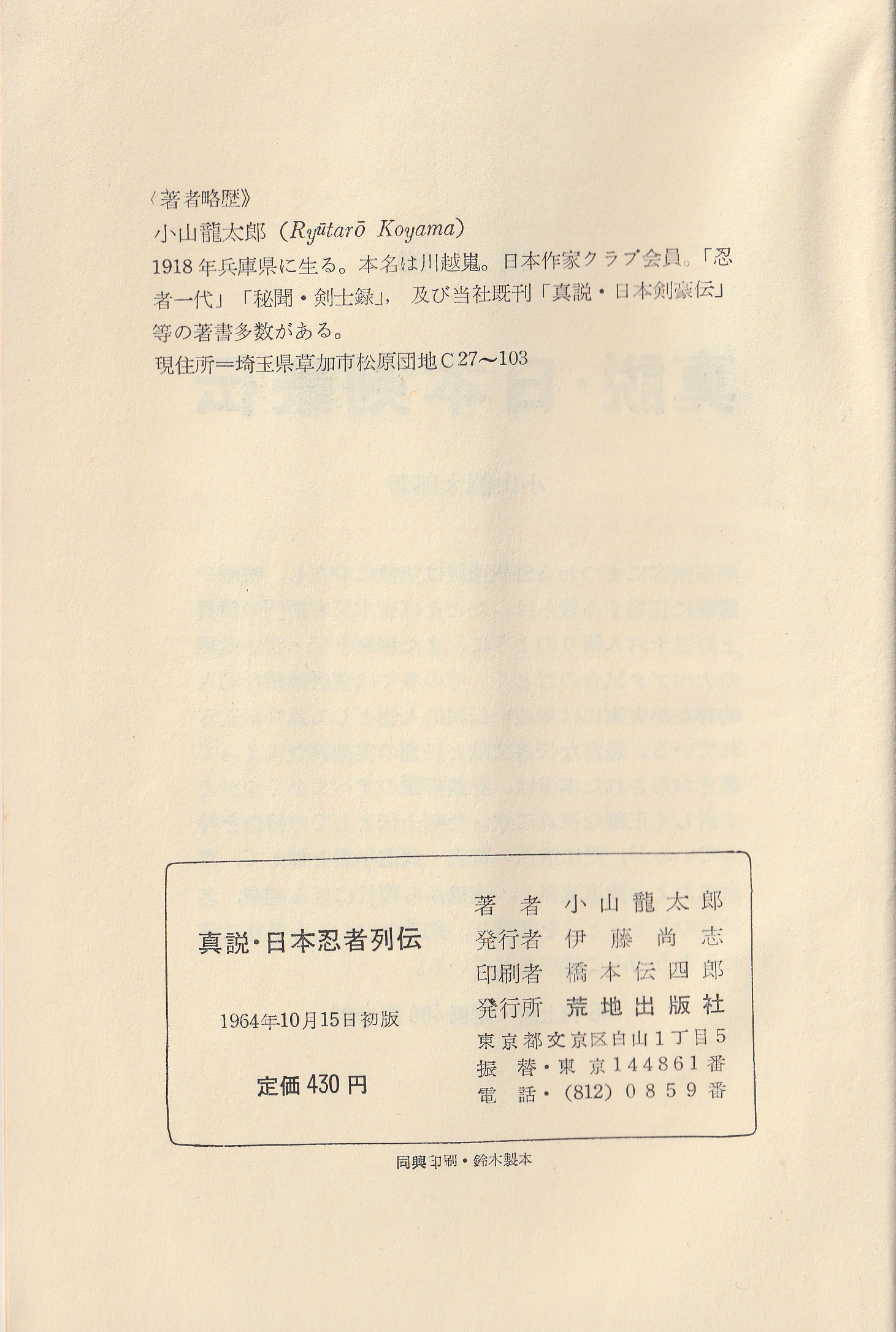
The Sōka City Connection: In his bio, Koyama lists his address in Sōka City, Saitama. This is interesting because Sōka was a major hub for the “Ninja Boom” writers and researchers of the 60s, acting as a sort of “Think Tank” for modern ninjutsu studies.
A “Lost” Bibliography: Early first editions like this book contain specific references to scrolls that were later moved to private museums or “lost” to the public eye. Koyama’s descriptions of these scrolls are sometimes the only publicly available record of their contents.
The “Secret” Collection: While the book credits the shuriken by “school” (e.g., Togakure-ryū), it is widely believed among collectors that the actual physical weapons photographed for these pages—including the ones on page 217—were from Watatani Kiyoshi’s private collection.
The 1964 “Ninja Olympics” Context: This book was released in October 1964, the same month as the Tokyo Olympics. There was a massive effort at the time to present “Ninja” as a unique Japanese cultural export to the world, and Koyama’s book was a key part of making that image “serious” rather than just a cartoon.
Edition details
- Published:
- 10/15/1964
- Publisher:
- Arechi Shuppansha
- Edition:
-
- • Edition Variant: Association Copy / Kintei-bon (献呈本)
- • Publisher: Itō Naoshi (伊藤尚志)
- • Publishing House: Arechi Shuppansha (荒地出版社)
- • Original List Price: 430 Yen
- Condition:
- Good
- Signed:
- Signed copy
- Dust jacket:
- Yes