
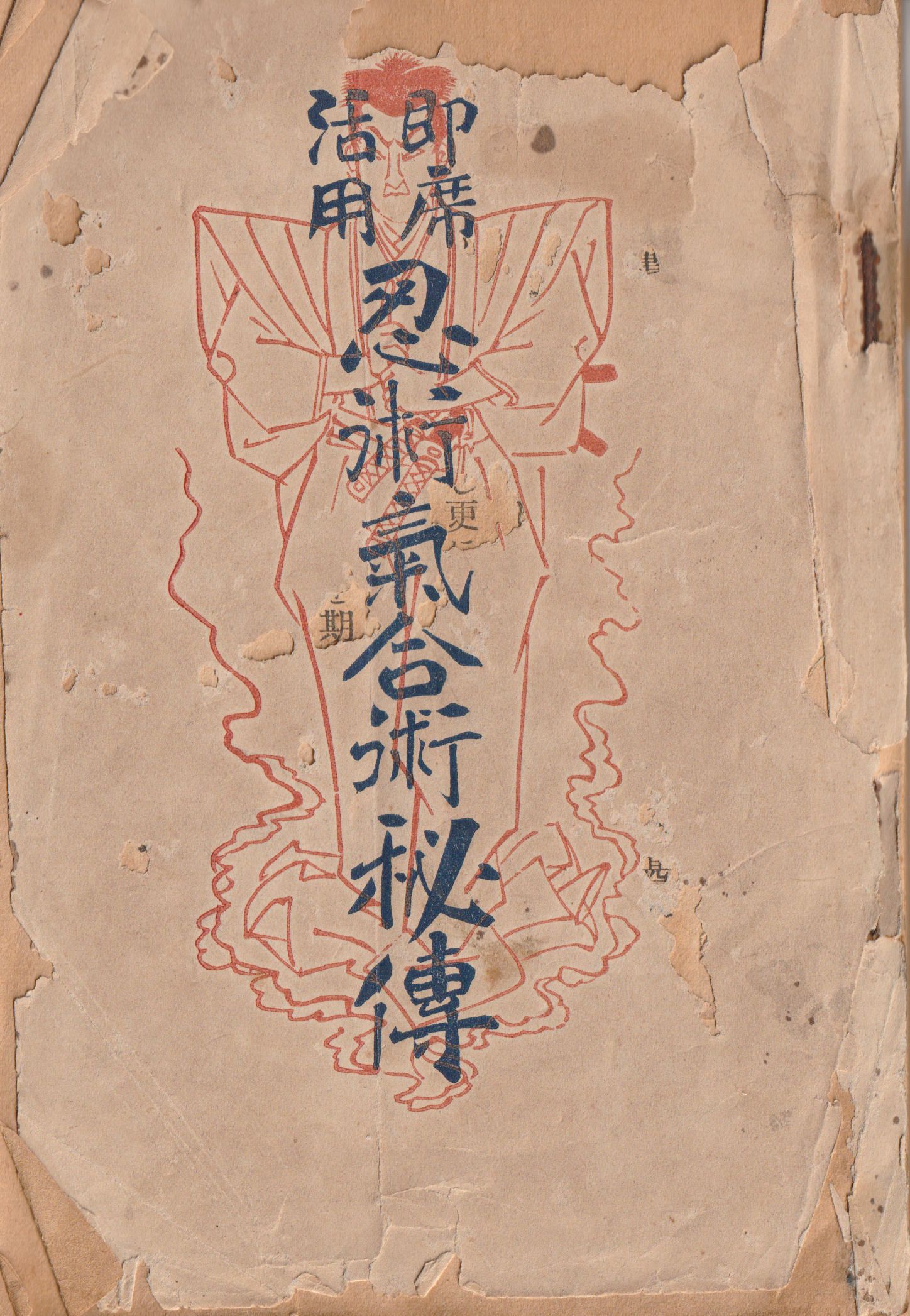
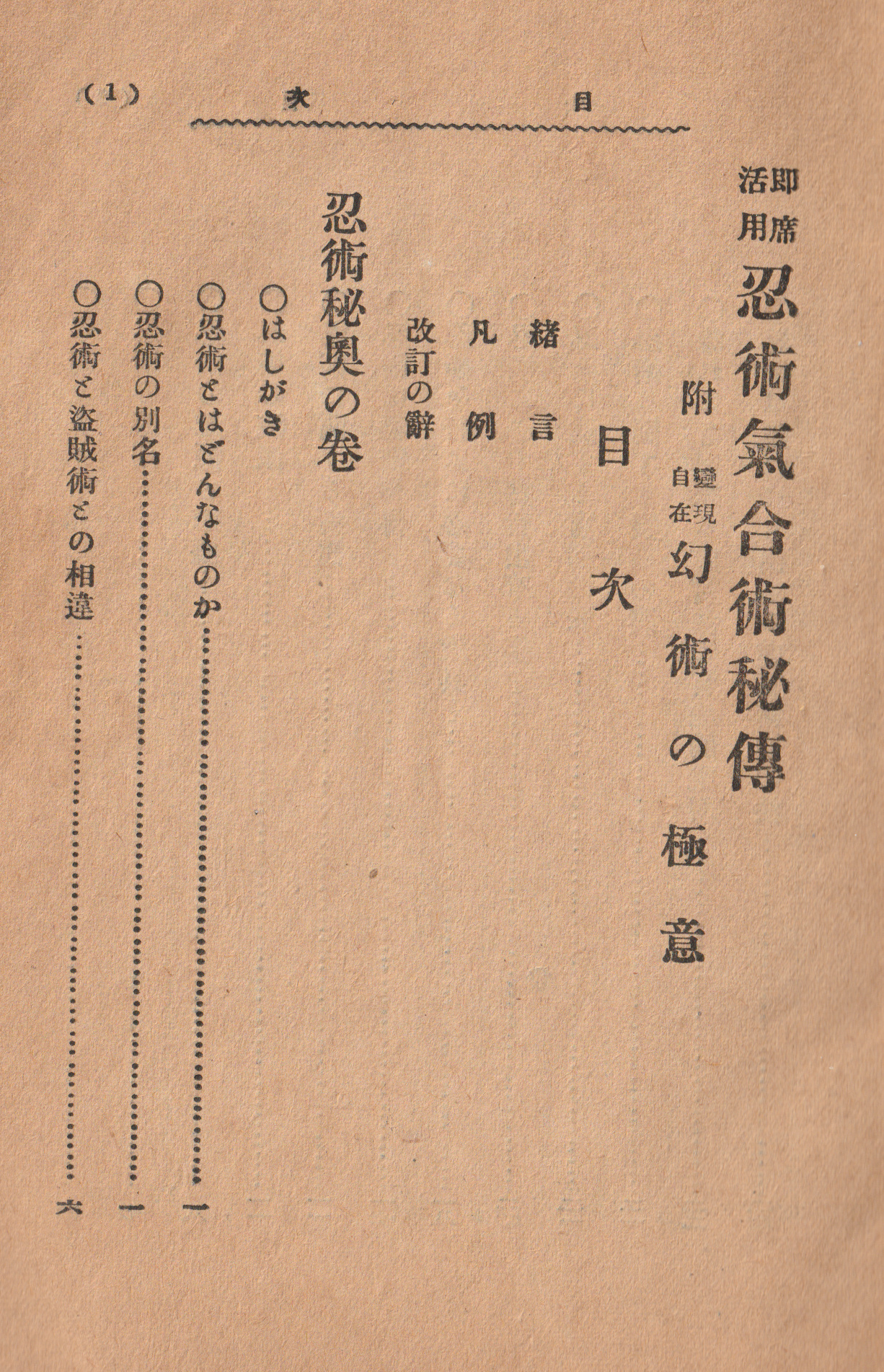
即席活用 忍術氣合術秘傳
Sokuseki Katsuyo Ninjutsu Kiaijutsu Hiden (Instant Practical Use: Secret Traditions of Ninjutsu and Kiai)
- Author:
- Buyoken Kensai (武揚軒健齋)
- Category:
- Ninjutsu
- Collection:
- Robert C. Gruzanski Collection
Description
Buyōken Kensai: Historical Significance & Methodology
Sokuseki Katsuyō: Ninjutsu Kiaijutsu Hiden is a highly significant, pre-WWII entry in the history of Japanese subculture and martial arts publishing. Compiled under the classical warrior pen name Buyōken Kensai (武揚軒健齋), this pocket manual was intentionally designed to act as an accessible textbook for the public, bridging the gap between ancient hidden traditions and the rapid modernization of early 20th-century Tokyo.
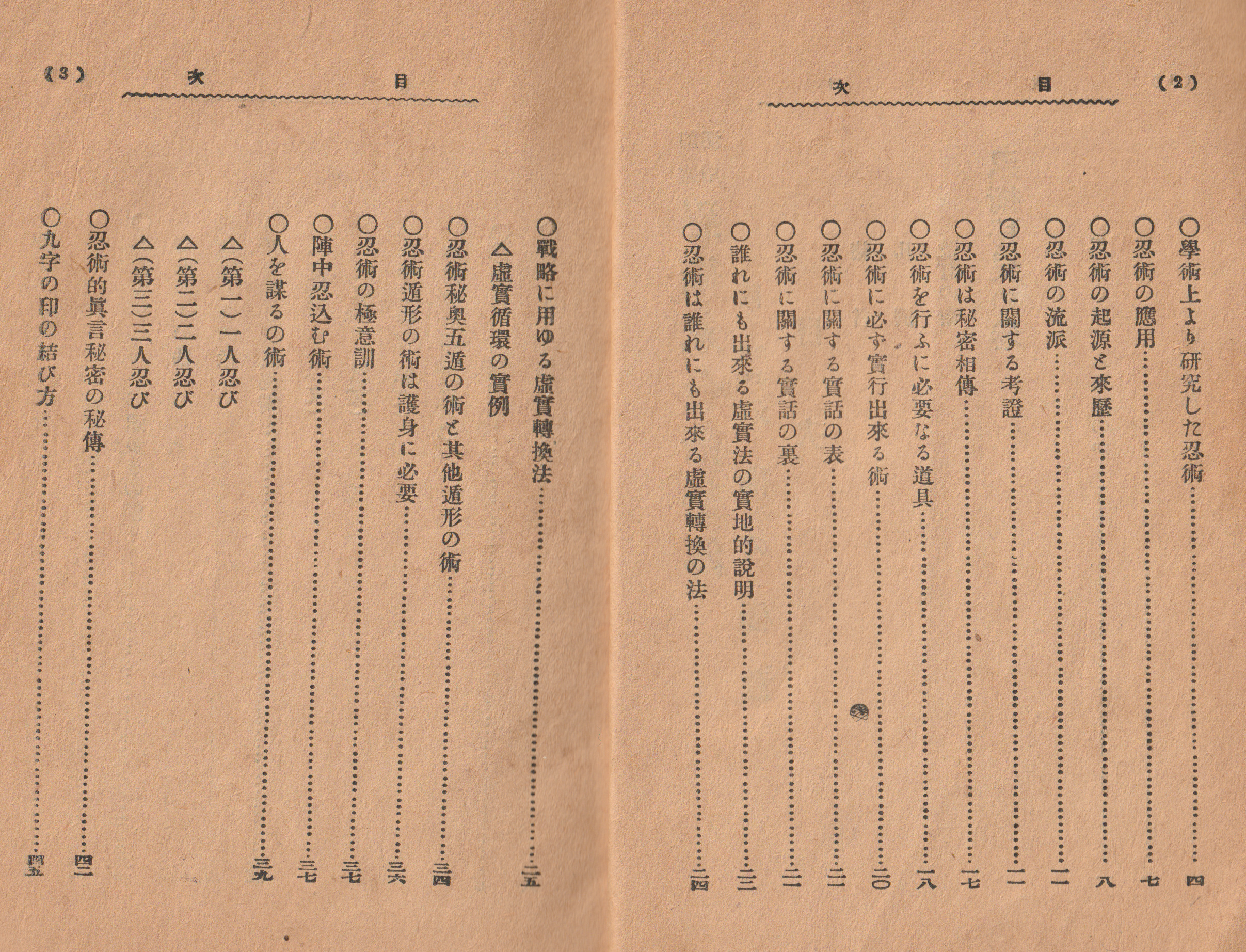
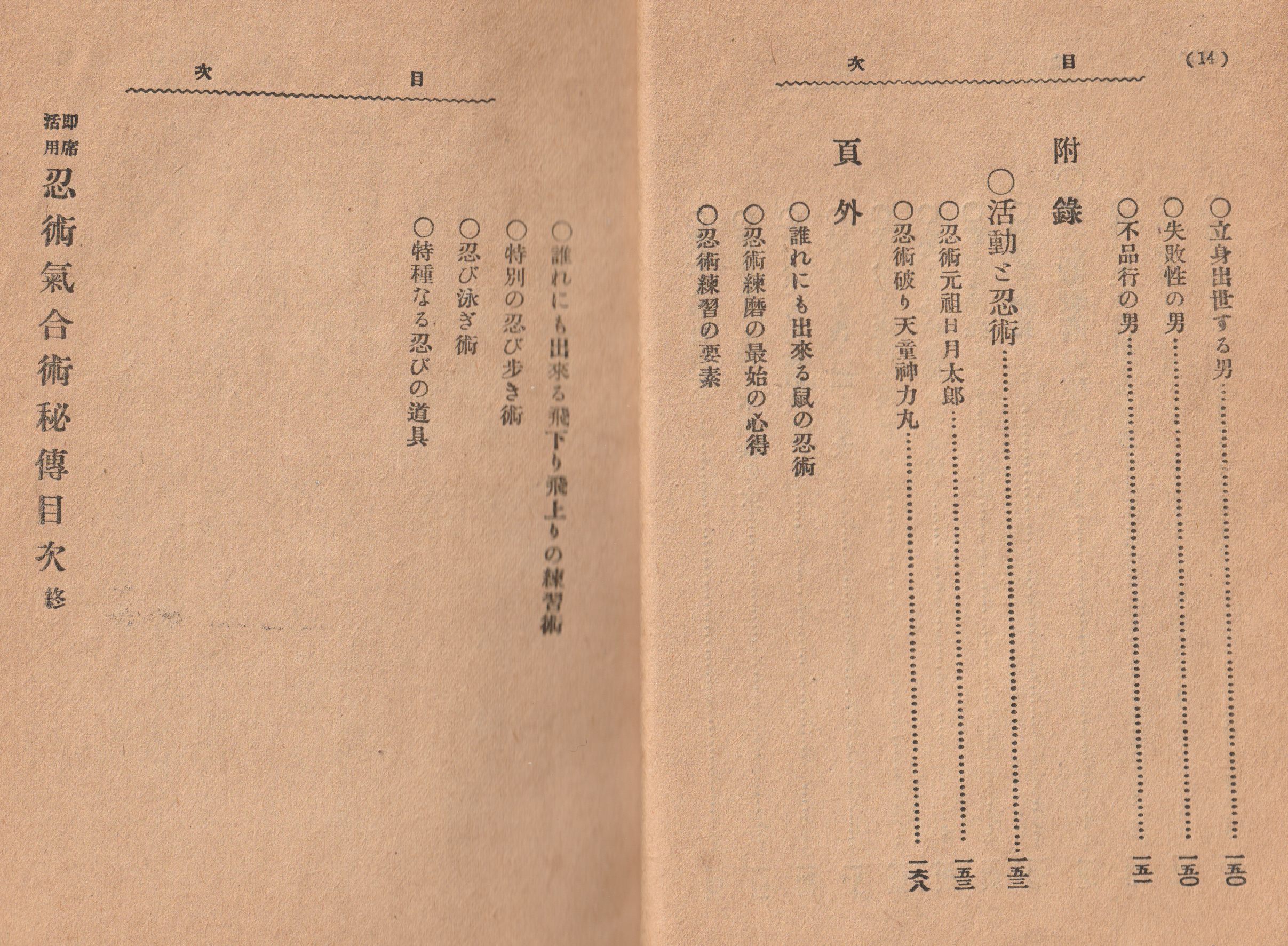
Rather than relying on the sensationalized, romanticized ninja fantasy that was beginning to dominate early cinema, the author contextualized his analyses directly from historical lineages. Backed by practical diagrams, technical instructions, and an incredibly dense 15-page Table of Contents, the text dives into tactical topics rarely treated with such structured methodology in early printed media.
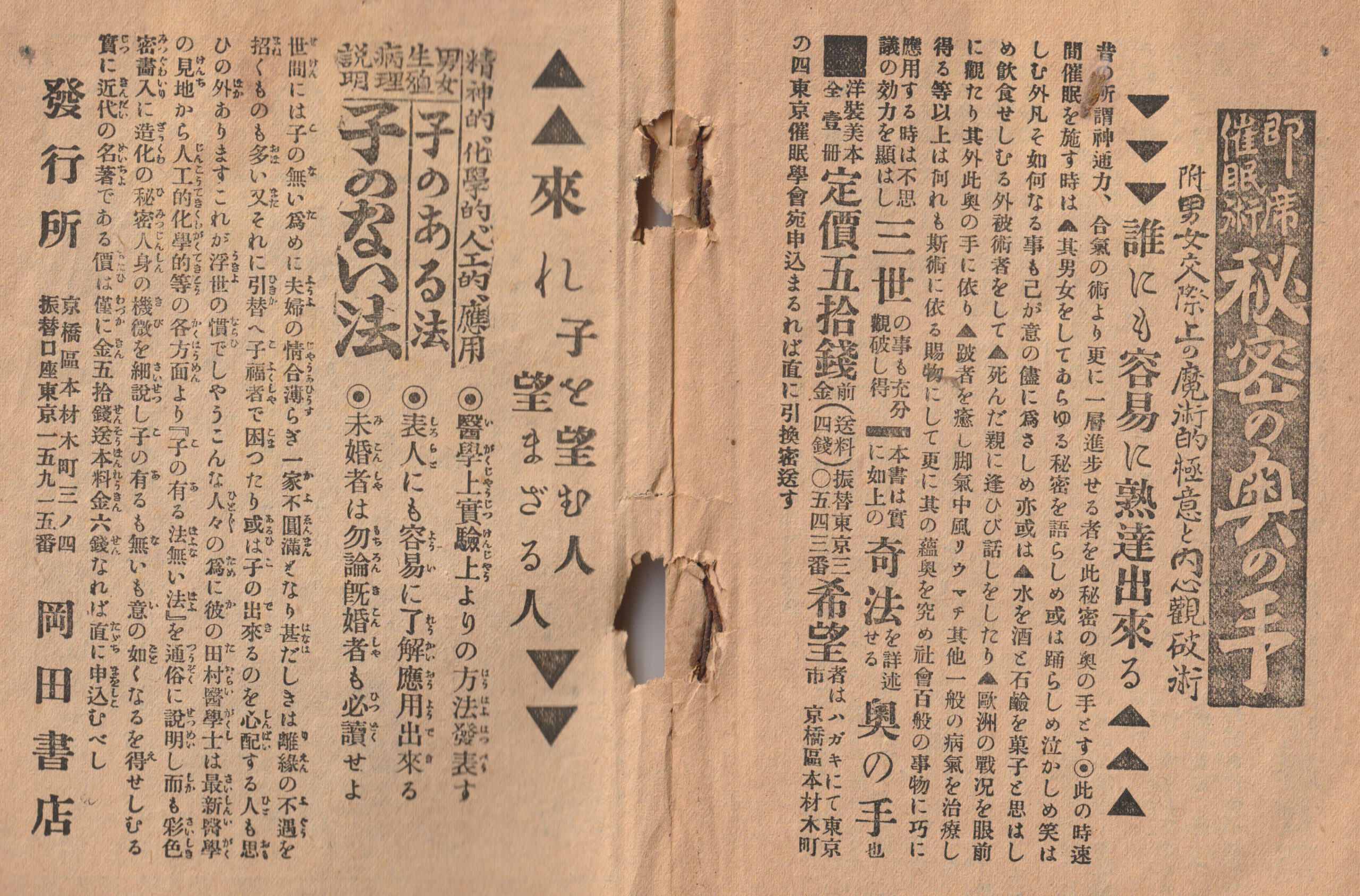
Translating the Ephemera: Unmasking the Tokyo Hypnotism Society
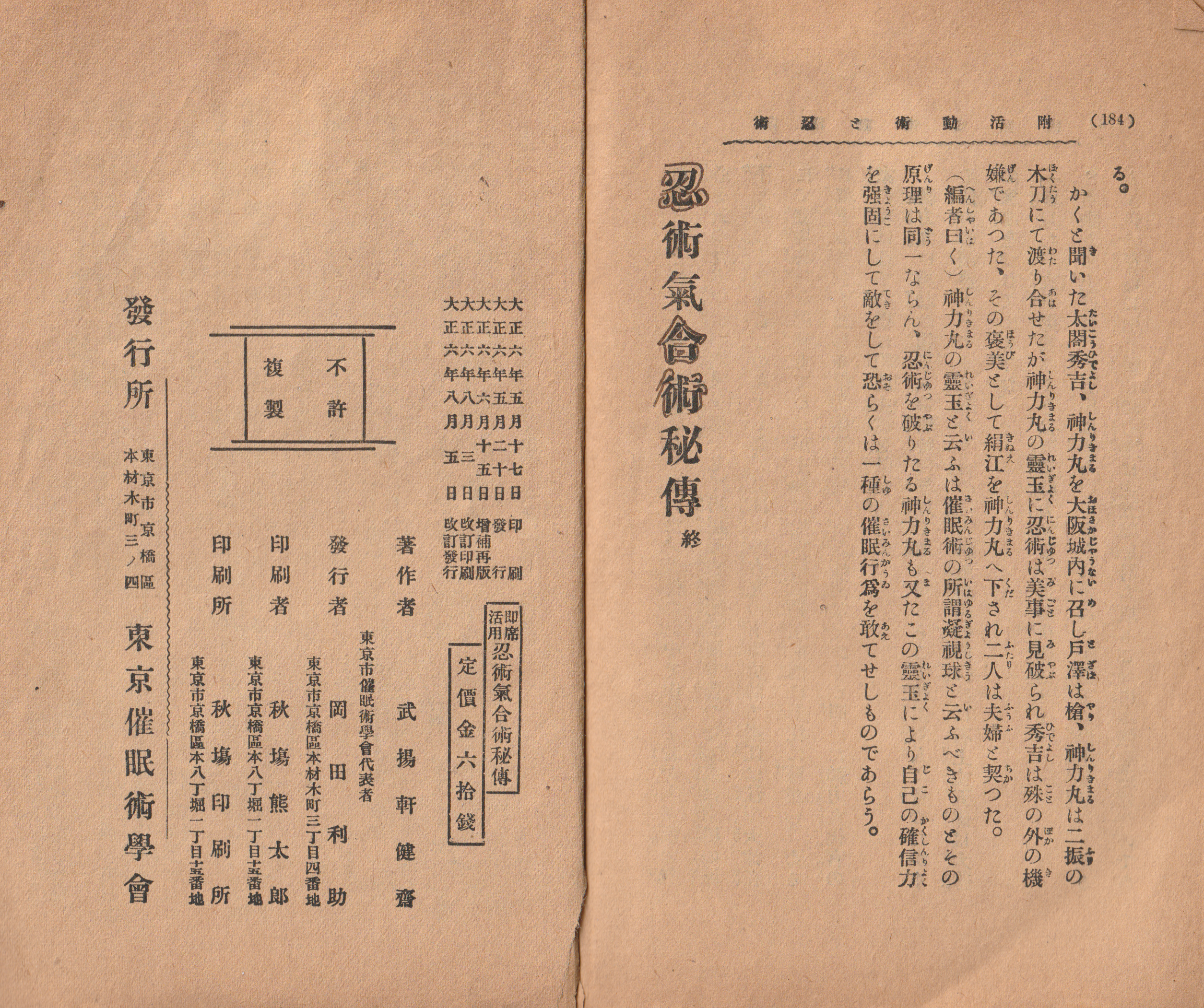
The true historical weight of this volume rests in its final pages and publishing data. This physical copy is a verified subsequent plate re-printing of the legendary June 1917 revised expansion, issued during the 1926 (Taisho 15) / 1927 (Showa 2) imperial transition window. This specific era saw extreme shifts in Japanese society, and because the vast majority of this pre-war print run was incinerated across Tokyo during the 1945 Allied air raids, surviving pristine copies are rare archival artifacts.
Deep Dive: Rare & Unusual Historical Discoveries
- The 10,000-Copy Blockbuster Debut (1917):
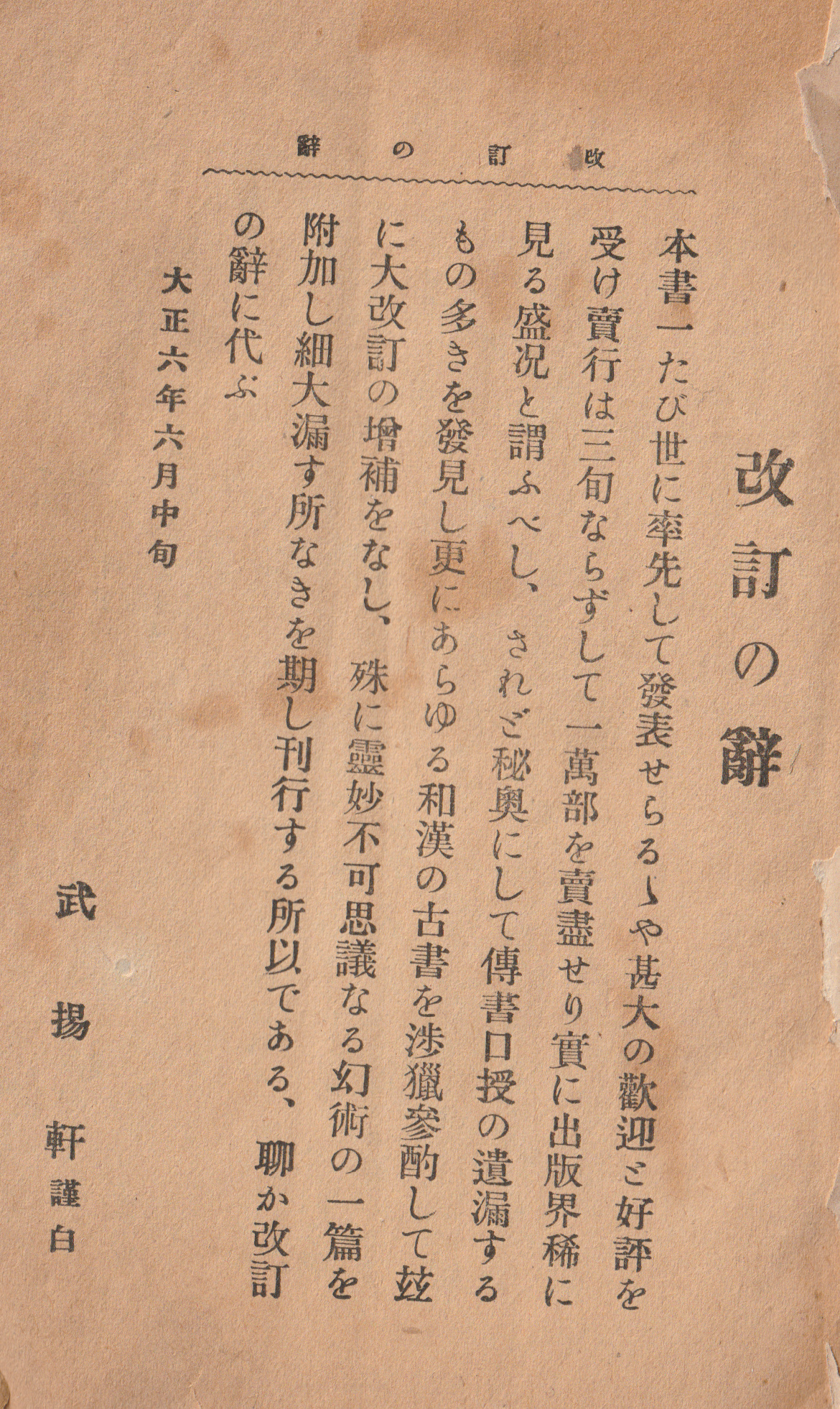
As explicitly revealed in the newly translated Preface to the Revised Edition, when the book first debuted in April 1917, it became an instant, unprecedented publishing sensation. The entire first run of 10,000 copies sold out completely in less than 30 days. This explosive commercial demand forced the author to immediately rush out the June 1917 expanded edition—correcting typos and newly adding the advanced chapters on phantom illusions (Genjutsu), which your 1926 copy preserves. - The Sacred Scroll Provenance (The Shoninki Connection):
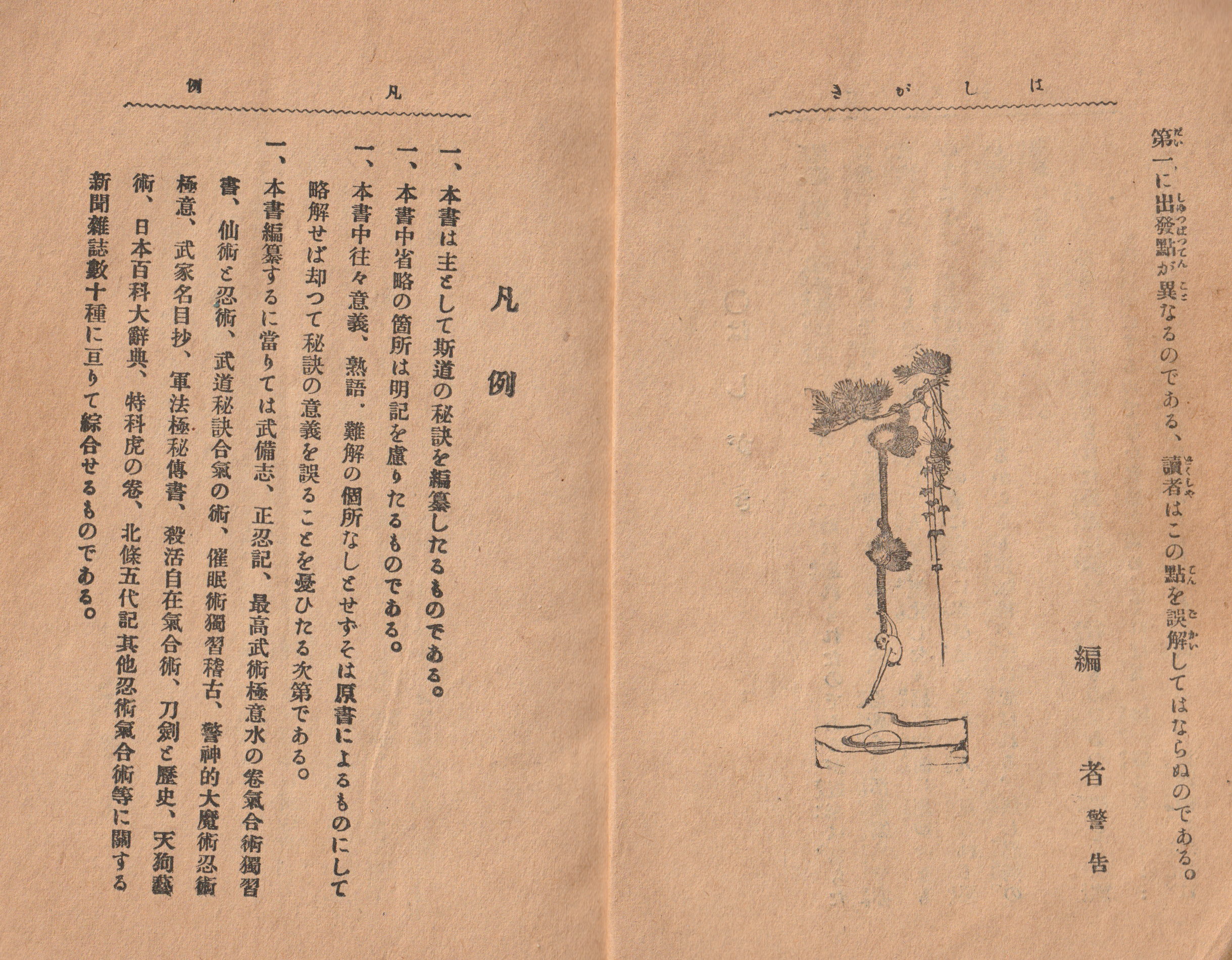
Unlike standard pulp fiction books of the era, the manual includes a formal, authoritative bibliography (凡例). In it, the author explicitly certifies that he consulted, cross-referenced, and extracted strategic secrets from the Shoninki (正忍記)—one of Japan’s three legendary, sacred Edo-period ninja scrolls—alongside historic samurai military codes (Gunpō Hidensho). This directly validates the book’s physical tactical syllabus. - Early Cinema Media Criticism:
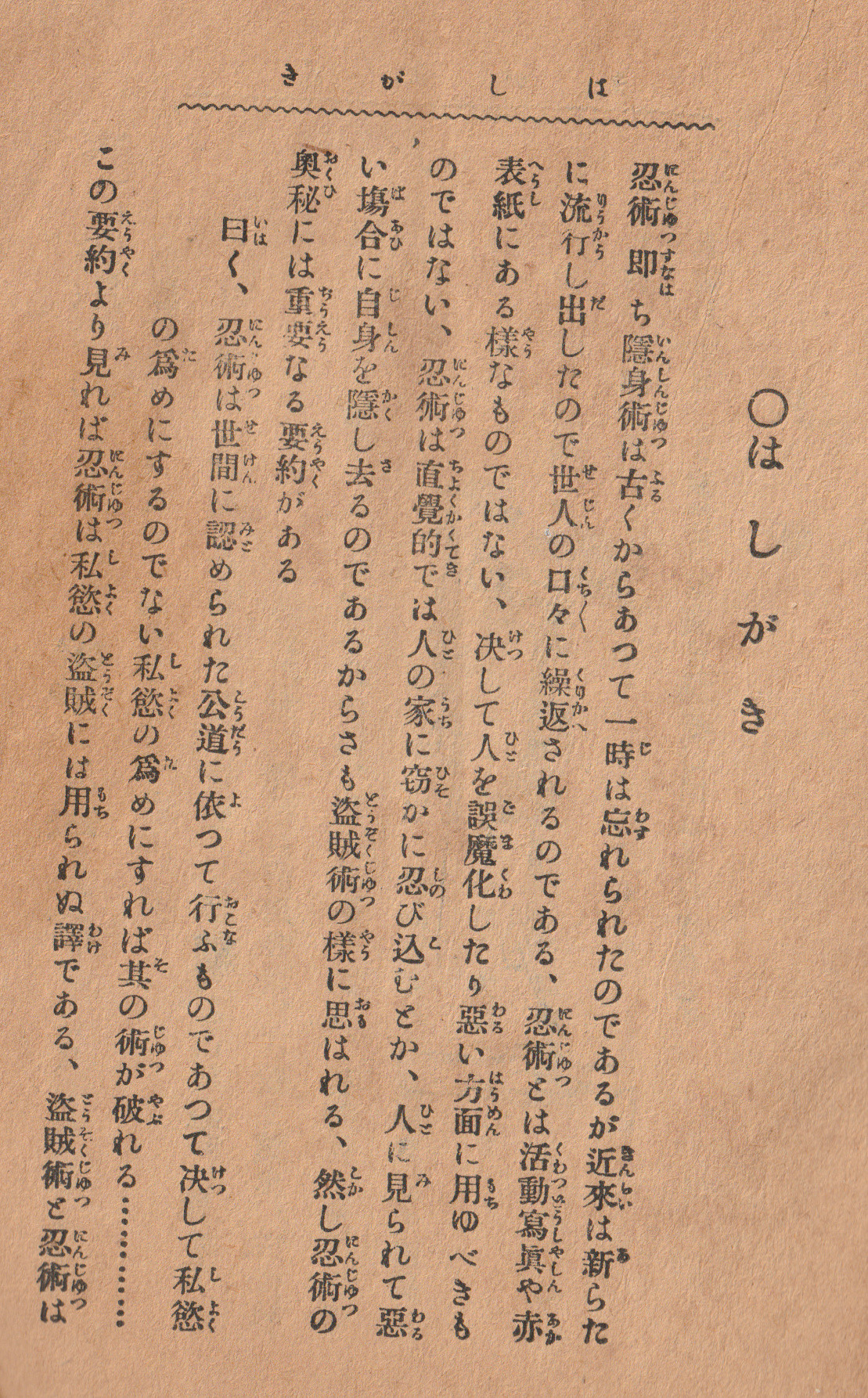
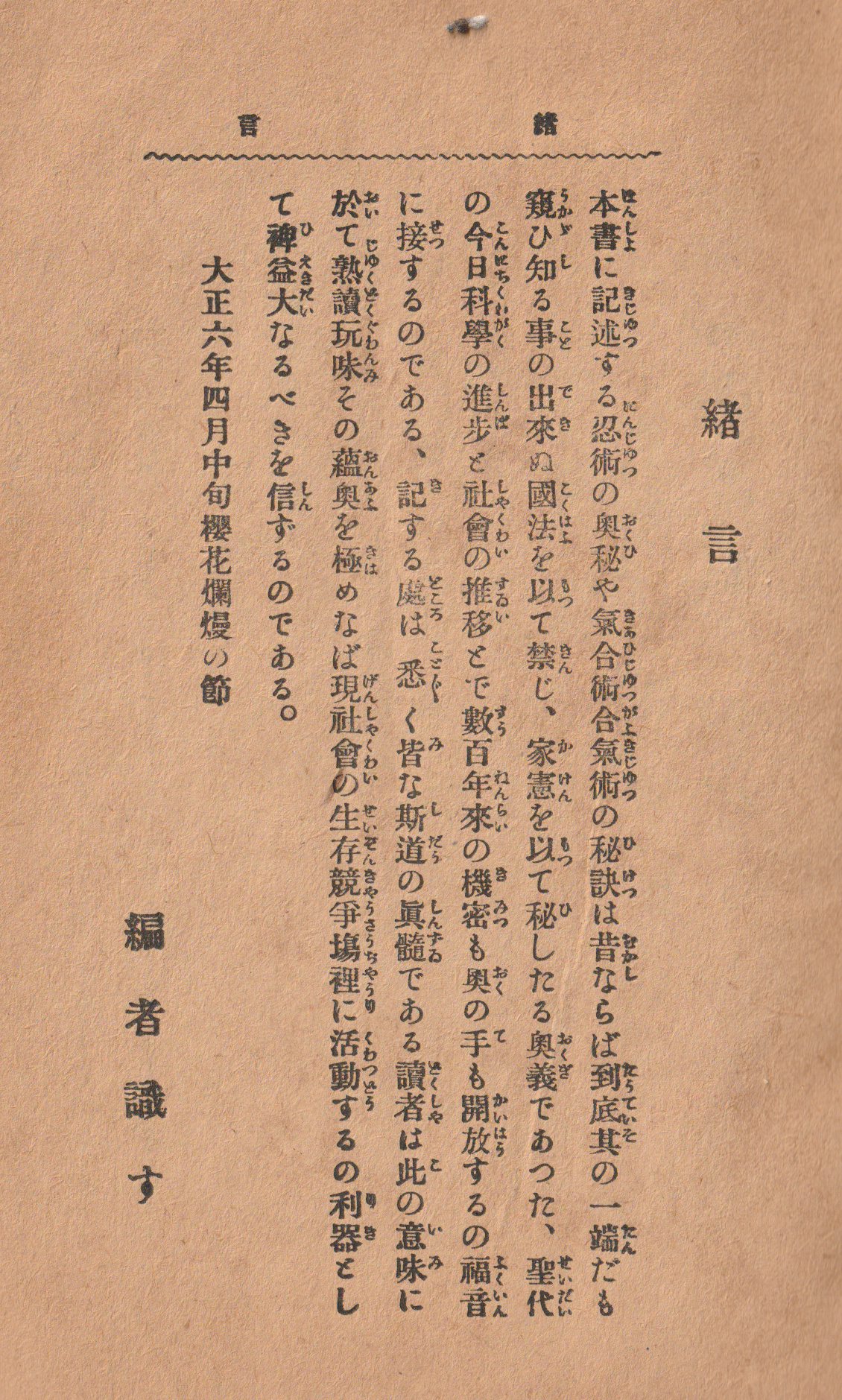
Writing in 1917, the author includes direct, fascinating media criticism. He openly attacks early silent Japanese motion pictures (活動写真) and cheap, sensationalized red-inked adventure novels for distorting real martial arts history into childish nonsense, using his foreword to establish a strict moral code distinguishing a noble ninja from a common thief. - Iga Rats vs. Kōga Cats Camouflage:
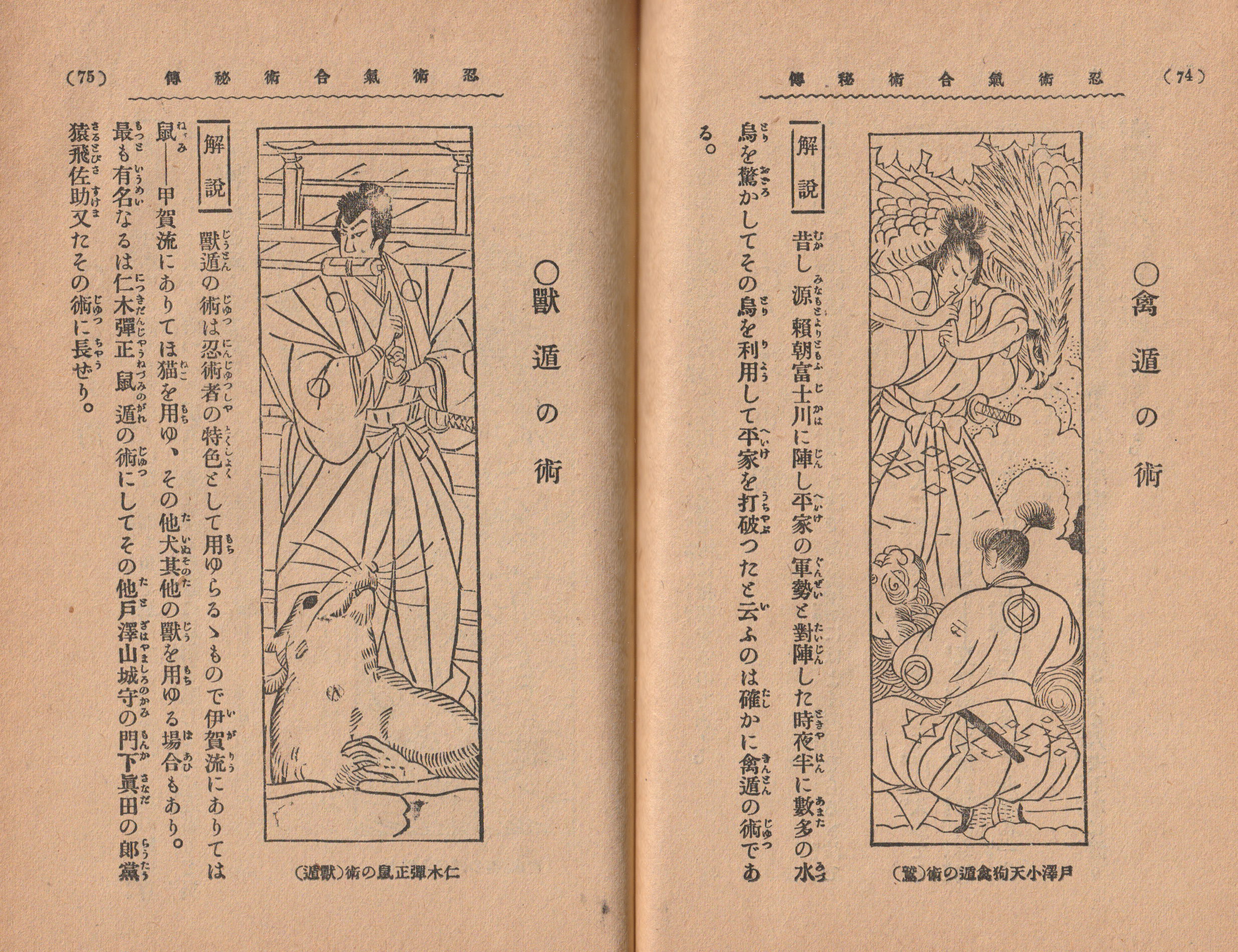
The book details the practical operational split between Japan’s two premier ninja networks. It explicitly documents that Iga-ryū operatives specialized in handling and deploying live rats (鼠) for field distractions, while Kōga-ryū networks traditionally trained and deployed cats (猫). It also instructs the reader on how to read the pupils of a cat’s eyes to determine the exact time of day in complete darkness. - The Cross-Promotional Science Business Model:
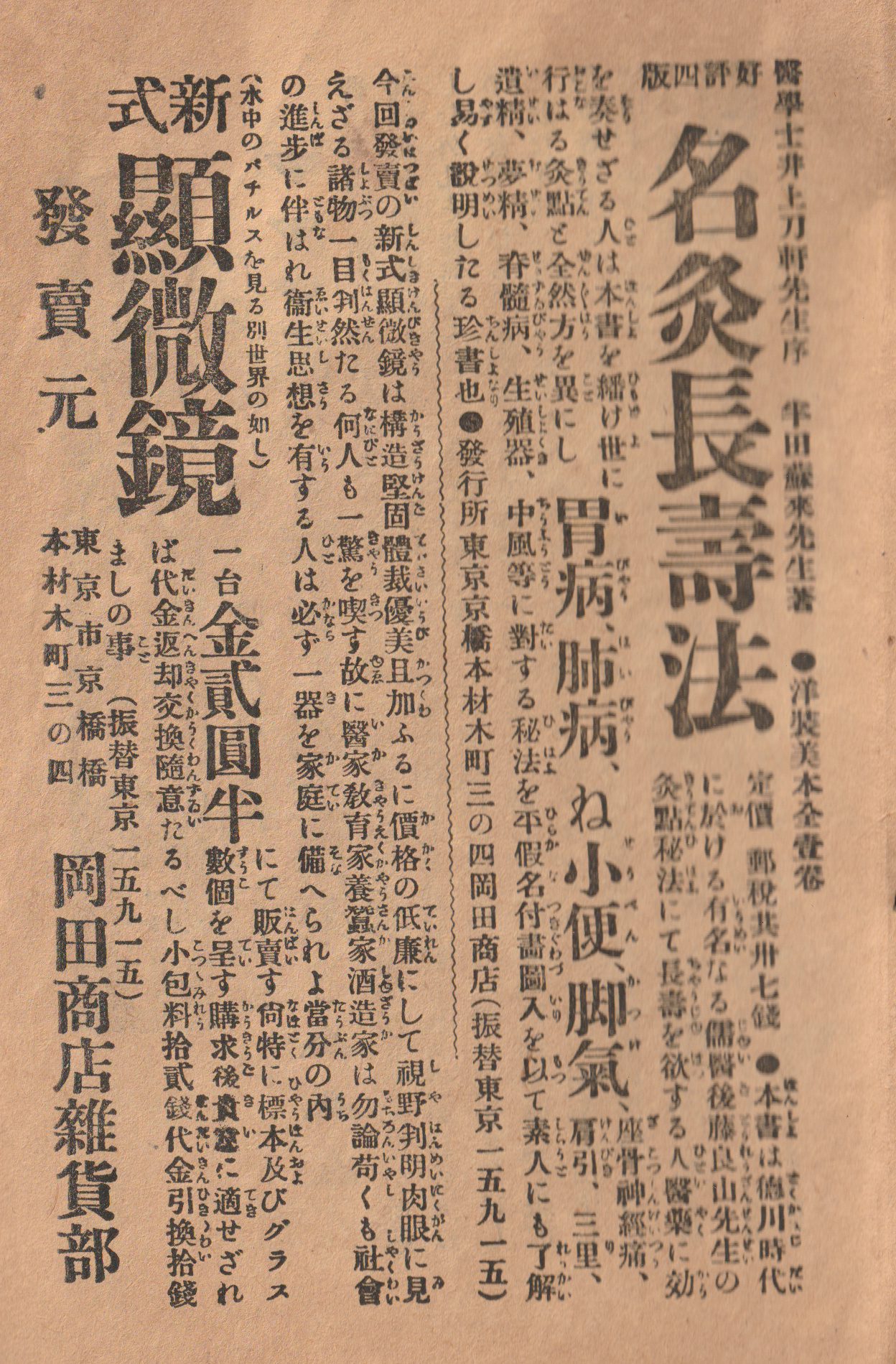
The post-colophon advertisements unmask the exact identity of the publisher, Okada Risuke (岡田利助). Operating his shop, Okada Shoten, out of Kyobashi, Tokyo, he funded his esoteric publishing society (Tokyo Saiminjutsu Gakkai) by selling trending, high-margin Western scientific imports—specifically advertising New Style Consumer Microscopes for 2 Yen 50 Sen. Okada brilliantly marketed microscopes to see the “hidden world of bacteria” right alongside ninja manuals designed to teach the “hidden world of invisibility.” - The Psychological “De-Bunking” of Ninja Magic:
The core philosophy of the Tokyo Hypnotism Society was that ancient ninja “magic,” shadow-cloning, and spiritual warrior shouts (Kiaijutsu) were not supernatural parlor tricks. Instead, the final chapters explicitly “de-bunk” these legends by proving they were an incredibly early, brilliant system of waking hypnosis and psychological gaze-fixation (凝視球) used by field agents to paralyze the perception of guards and control enemy expectations.
Edition details
- Published:
- 07/25/1927
- Publisher:
- Tokyo Saiminjutsu Gakkai (東京催眠術學會)
- Edition:
-
- • Author: Buyōken Kensai (武揚軒健齋)
- • Publisher: Tokyo Saiminjutsu Gakkai (東京催眠術學會) / Representative: Okada Risuke (岡田利助)
- • Printer: Akiba Kumatarō (秋場熊太郎)
- • Printing House: Akiba Printing House (秋場印刷所)
- • Original First Edition Date: 05/17/1916 (大正五年五月十七日発行)
- • Original Retail Price: 60 Sen
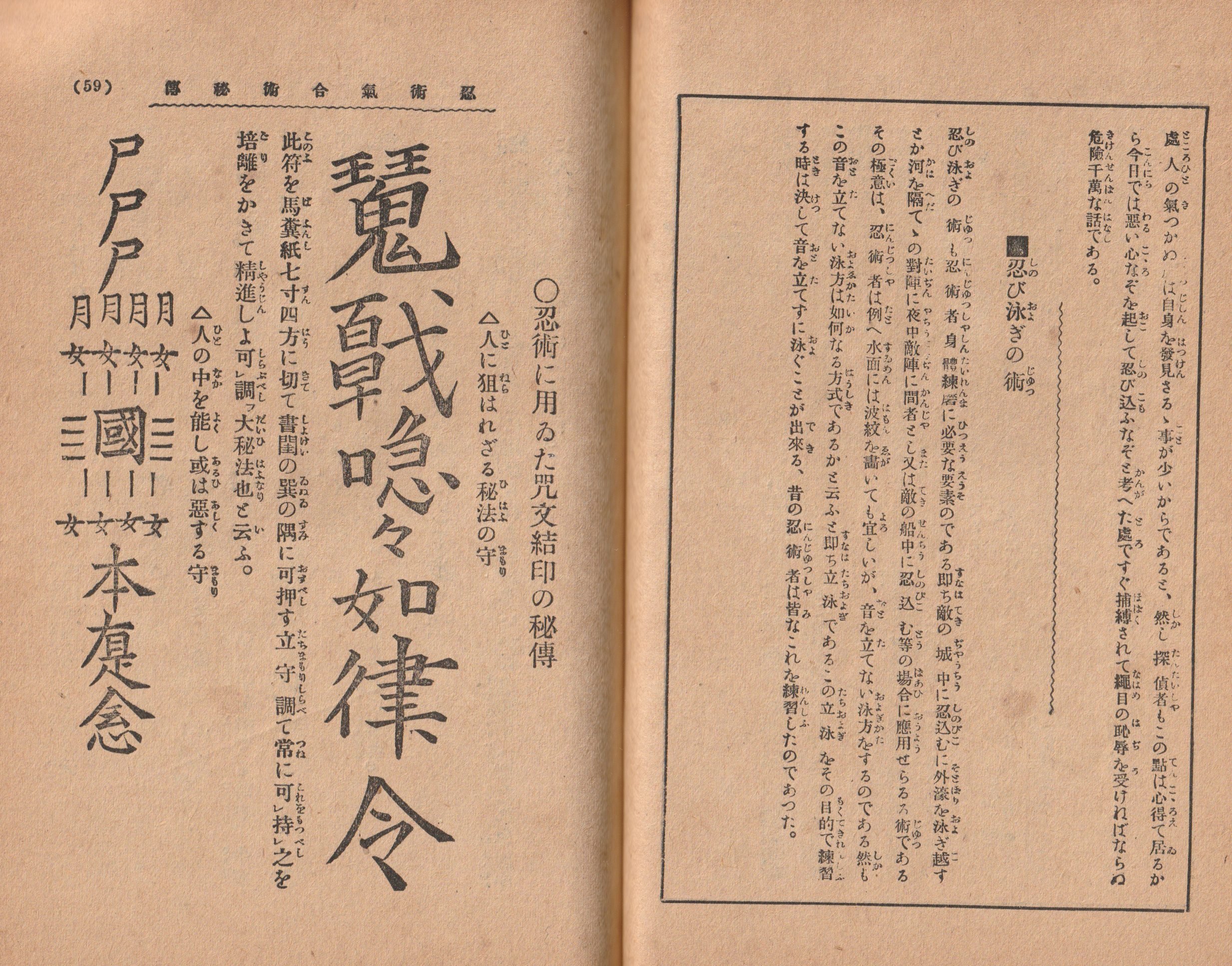
- 如律令) magical talismans, and the Shoninki scroll reference bibliography.
- Condition:
- Average