
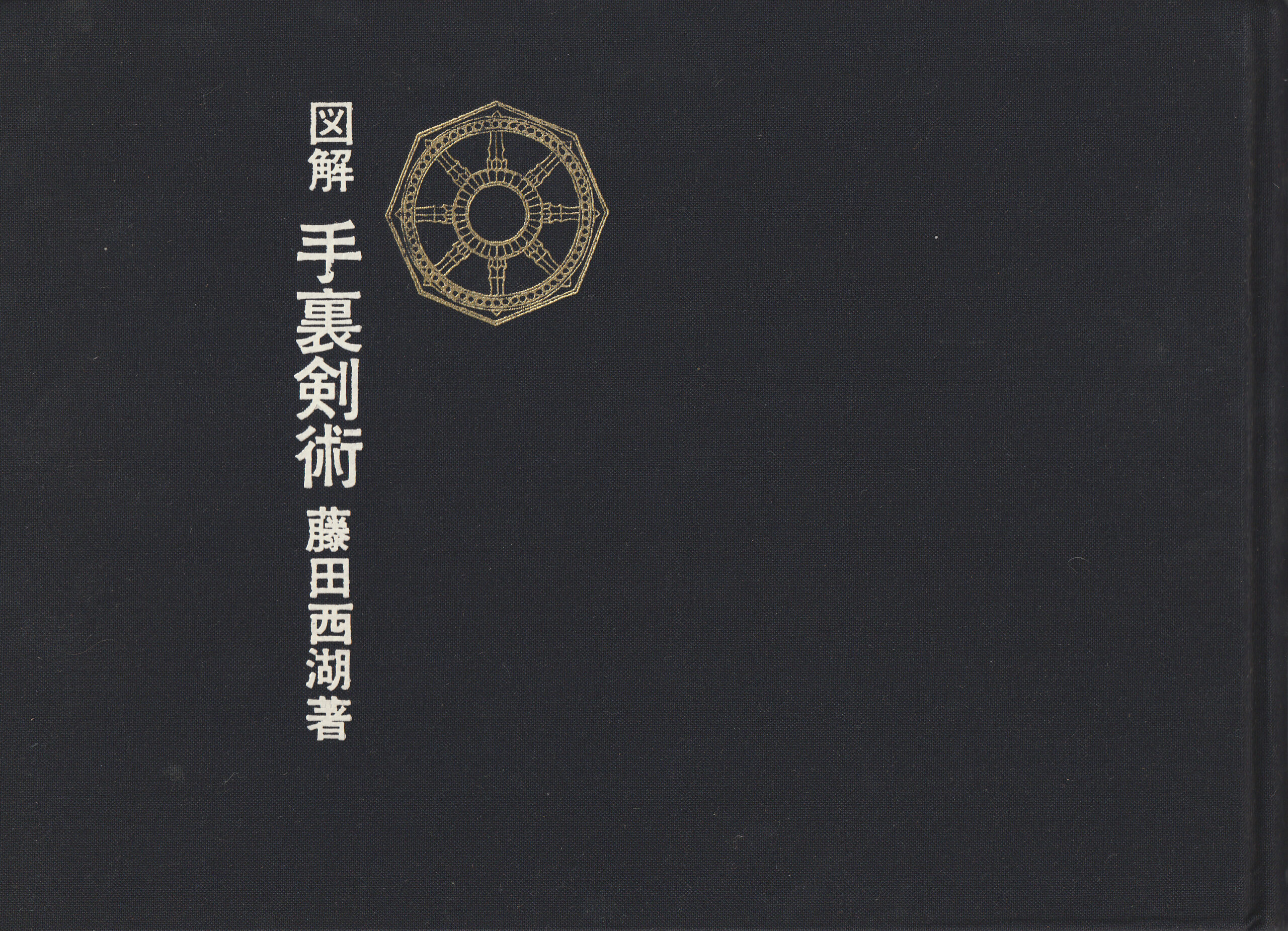
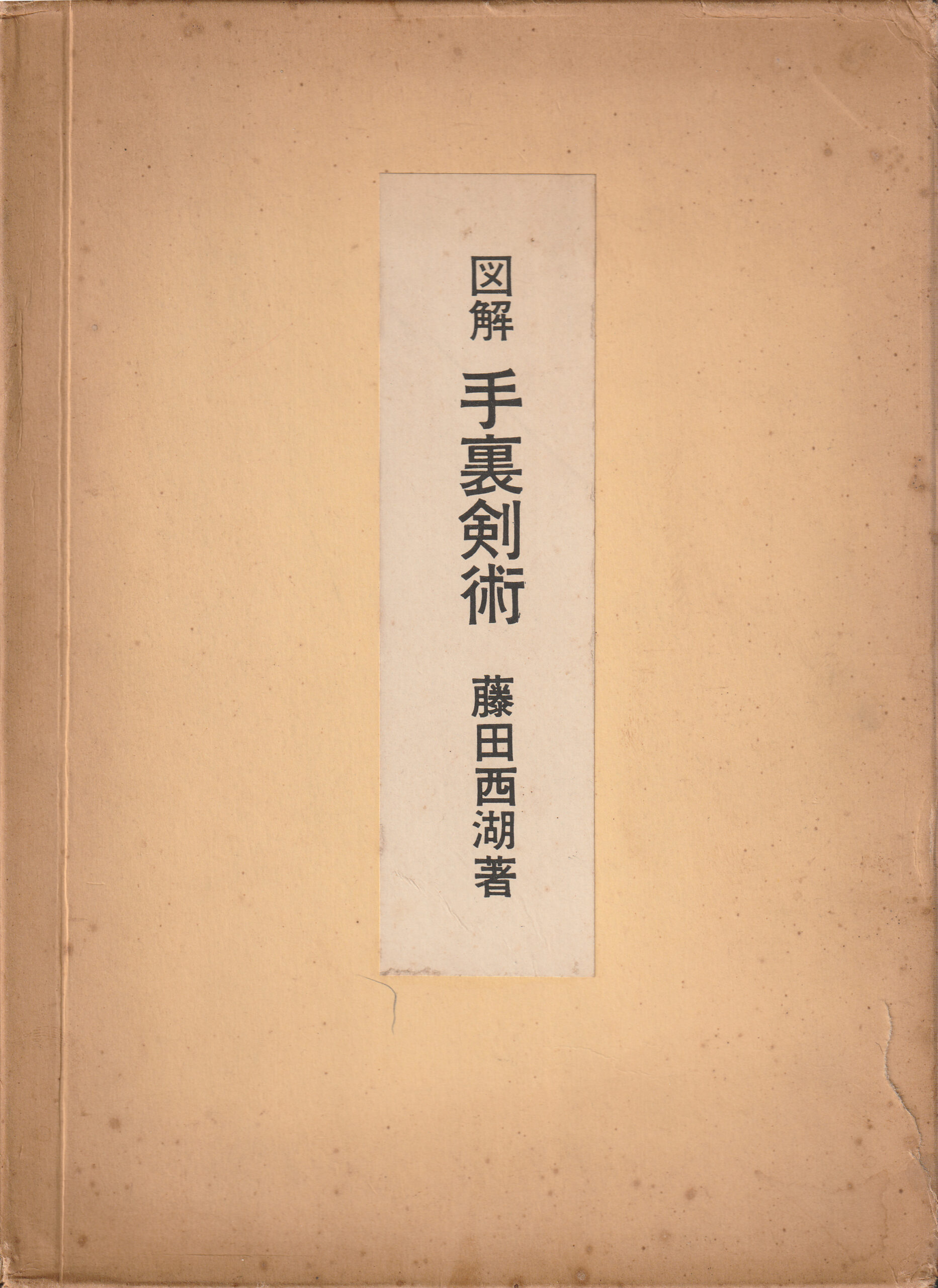
図解 手裏剣術
Zukai Shurikenjutsu
- Author:
- Fujita Seiko (藤田西湖)
- Category:
- Weapons
- Collection:
- Robert C. Gruzanski Collection
Description
Key Content
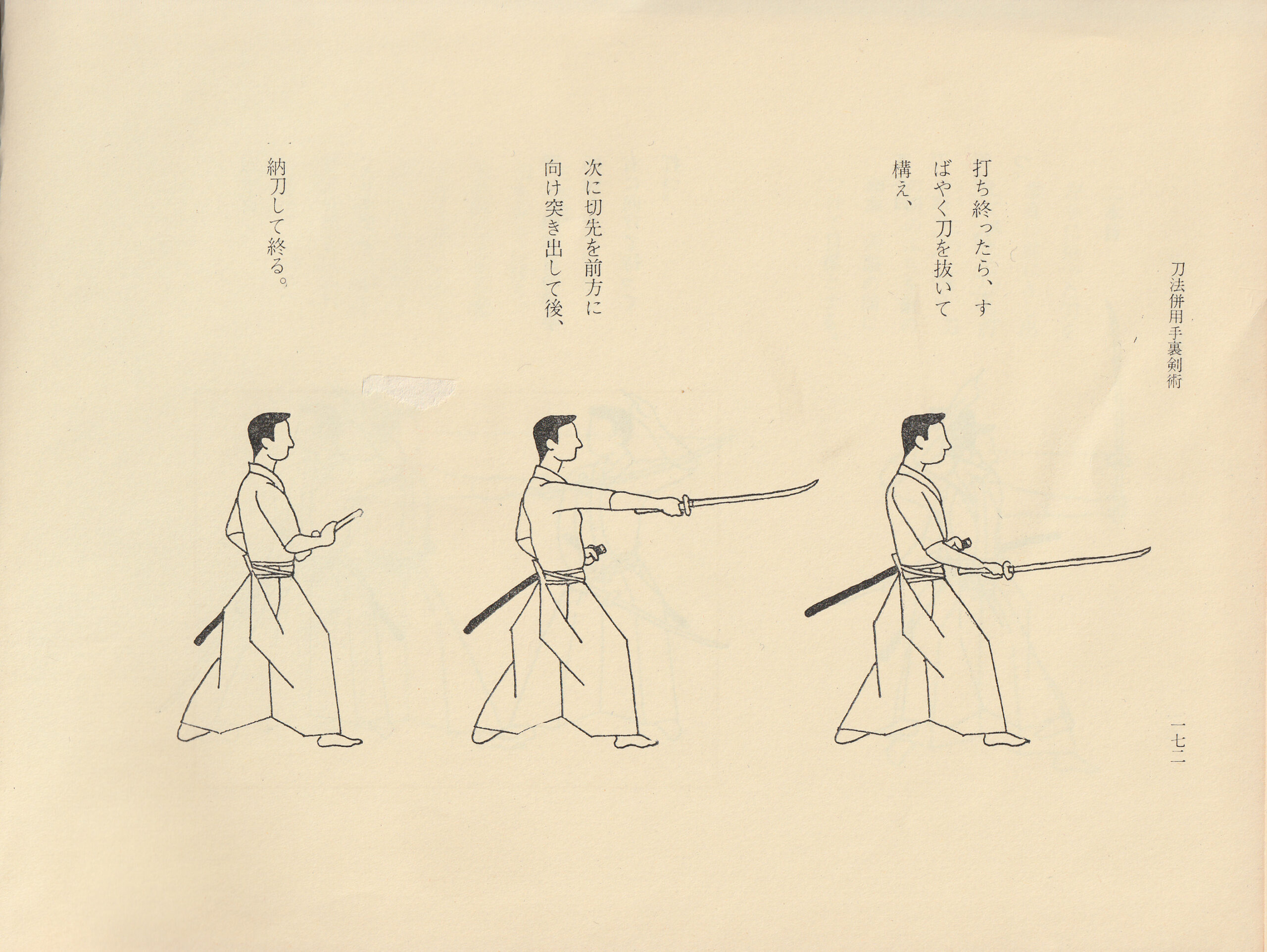
- Techniques: Detailed guides on throwing methods, including overhand vertical throws and sidearm horizontal throws.
- Weapon Varieties: Illustrations of numerous shuriken types, such as the classic star-shaped jūji-shuriken and the needle-like bō-shuriken.
- Grips and Postures: Specific instructions on finger placement, standing, and seated throwing techniques.
- Alternative Projectiles: Includes sections on throwing other items like small stones (tsubute), spears, and even everyday objects.
- Historical Context: Examples of weapons and methods used by specific schools, including the Koga and Iga ninja traditions.
- Modern Anomalies: While largely respected as an authoritative text, some researchers note that it includes modern pop-culture elements, such as the Manji-shuriken, which likely originated from 1960s television rather than ancient tradition.
The Hokusai Connection: The Legendary Duel
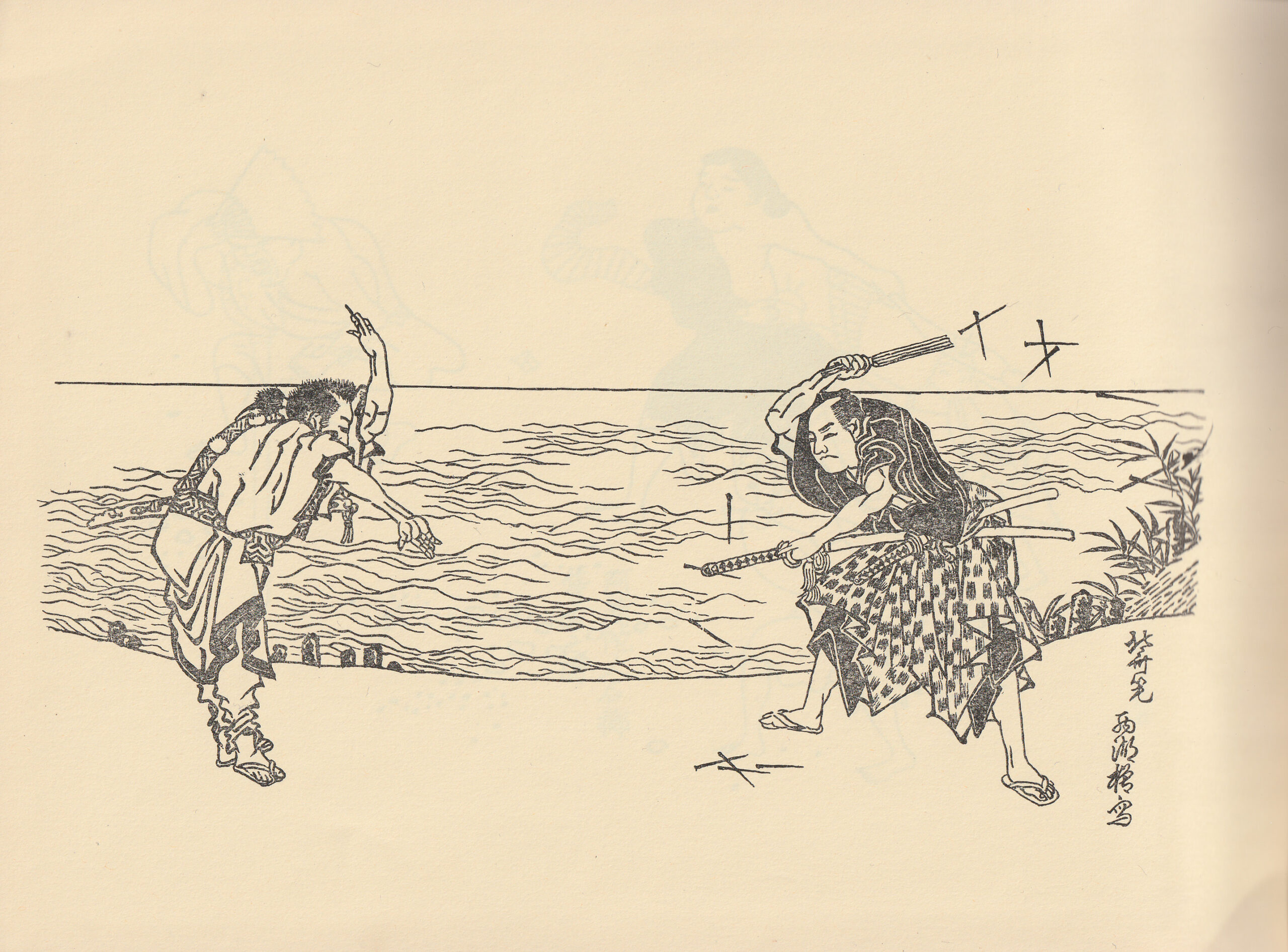
Seiko Fujita chose to include a specific woodblock print from Volume 6 of the Hokusai Manga (北斎漫画), a collection of sketches by the world-famous artist Katsushika Hokusai, first published in 1817.
The bottom half of the page depicts a famous, though likely legendary, confrontation between Mori Gentatsu and the renowned swordsman Yagyu Jubei.
- Mori Gentatsu (Left): Shown throwing multiple shuriken with incredible speed. He was known for a technique called hayai uchi kata (speedy multiple shooting), reportedly throwing more than 10 blades in just 4 seconds.
- Yagyu Jubei (Right): Shown defending himself, specifically by “batting away” or blocking the incoming projectiles using a tessen (iron folding fan).
Instructional Value
Fujita used Hokusai’s sketches because they were masterfully drawn to show implied motion and anatomical correctness.
- Technique Demonstration: The drawing captures the precise body mechanics, stance, and hand release of a shuriken thrower in an actual combat scenario.
- Historical Legitimacy: By using art from the Edo period (1615–1868), Fujita provided historical weight to the martial arts he was documenting, showing that shuriken were respected weapons used by high-level warriors.
Broad Martial Context
Volume 6 of the Hokusai Manga is almost entirely dedicated to martial arts practice (kyujutsu, kenjutsu, etc.). The top half of the image shows figures practicing with long poles or spears, which Fujita likely included to show how shurikenjutsu fits into a broader range of traditional Japanese combat skills.
Rare & Unusual Facts About the Book and Author
- The 1964 Tokyo Boom: This book was published in June 1964, just four months before the Tokyo Olympic Games. At a time when Japan was presenting modernized sports like Judo to the world, Fujita rushed this book to print to preserve the un-modernized, lethal realities of classical weapon throwing before it was completely overshadowed by Westernized sport formats.
- The Forbidden Pop-Culture Cross: The inclusion of the “Manji” or swastika-shaped shuriken created a massive split among koryu purists. Historians have noted that this specific shape has almost zero footprint in classical ninja weapon scrolls; Fujita likely included it because the weapon had just become a massive visual hit on Japanese television and theatrical ninja films during the early 1960s “Ninja Boom.”
- Landscape Layout Engineering: The horizontal, landscape layout of the book was not a creative design choice—it was an engineering necessity. The wide format allowed the long, panoramic technical diagrams of blade trajectories and distance management (maai) to be printed on a single continuous page without breaking the visual timeline across page folds.
- The “Last Ninja” Live Verification: To assure buyers that they were receiving legitimate historical documentation and not a commercial reprint, Fujita hand-stamped every single copy using his personal vermilion signature hanko seal over the colophon page. Because his health began rapidly declining shortly after this 1964 publication, books bearing this direct physical stamp are highly coveted museum-grade relics.
Edition details
- Published:
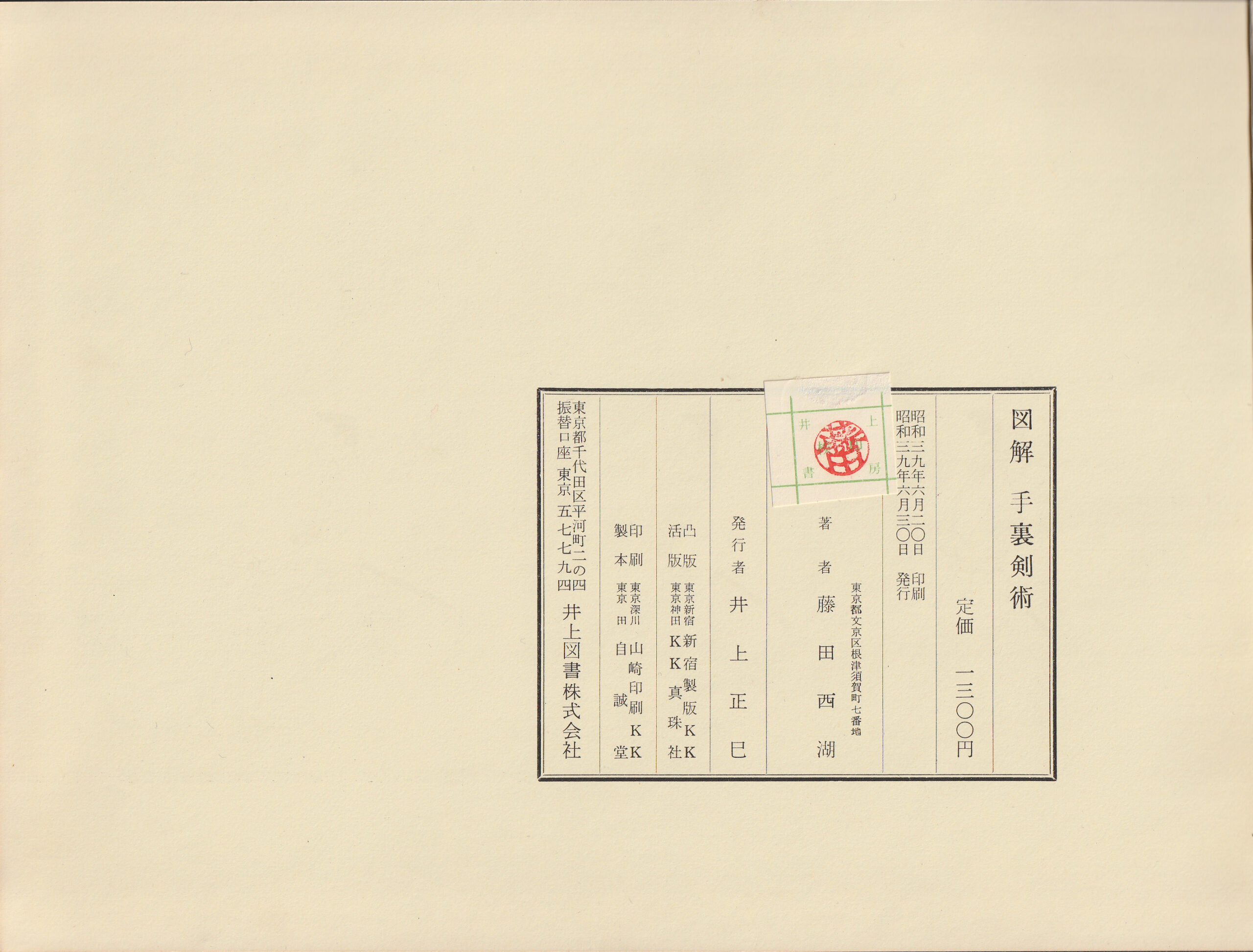
- 06/30/1964
- Publisher:
- Inoue Tosho Company Limited
- Edition:
-
- • Full Title: Zukai Shurikenjutsu (図解 手裏剣術 / Illustrated Shurikenjutsu)
- • Publication Date: June 30, 1964 (Showa 39)
- • Format: Unique horizontal (landscape) printing configuration layout.
- • Packaging: Accompanied by a dedicated outer protective storage box (Chitsu/函) rather than a standard Western slipcase.
- • Authentication: Features a distinct, hand-stamped red author's seal (Hanko) on the colophon page to guarantee authenticity.
- Condition:
- Good