手裏剣
Shuriken
- Author:
- Kanji Naruse (成瀬 関次)
- Category:
- Weapons
- Collection:
- Robert C. Gruzanski Collection
Description
Author / Authority: Kanji Naruse (成瀬関次, 1888–1948) — 3rd Generation Sōke of Negishi-Ryū
Book Overview:
Published in April 1943 by Shintaishusha, “Shuriken” (手裏剣) by Kanji Naruse stands as one of the most significant and historically valuable manuals on the art of Japanese throwing blades (Shurikenjutsu) ever printed. Manufactured during the height of World War II, this definitive volume serves beautifully both as an authoritative technical throwing guide and a critical cultural preservation effort for a combat art form that was rapidly fading from modern memory.
As the official 3rd Generation Headmaster (Sōke) of the Negishi-Ryū tradition and ancestral headmaster of Kuwana-han transmitted Yamamoto-Ryū Iaijutsu, Naruse leverages unmatched lineage authority to document the absolute pinnacle of classical Japanese weaponry.
Core Content & Themes:
- Philosophy of the Blade: As a highly respected sword researcher, author, and martial lineage head, Naruse infuses the text with the practical “spirit” of traditional Japanese weaponry. He meticulously frames the shuriken not as a vulgar tool of cinematic assassination, but as a deeply disciplined, highly precise tactical pursuit.
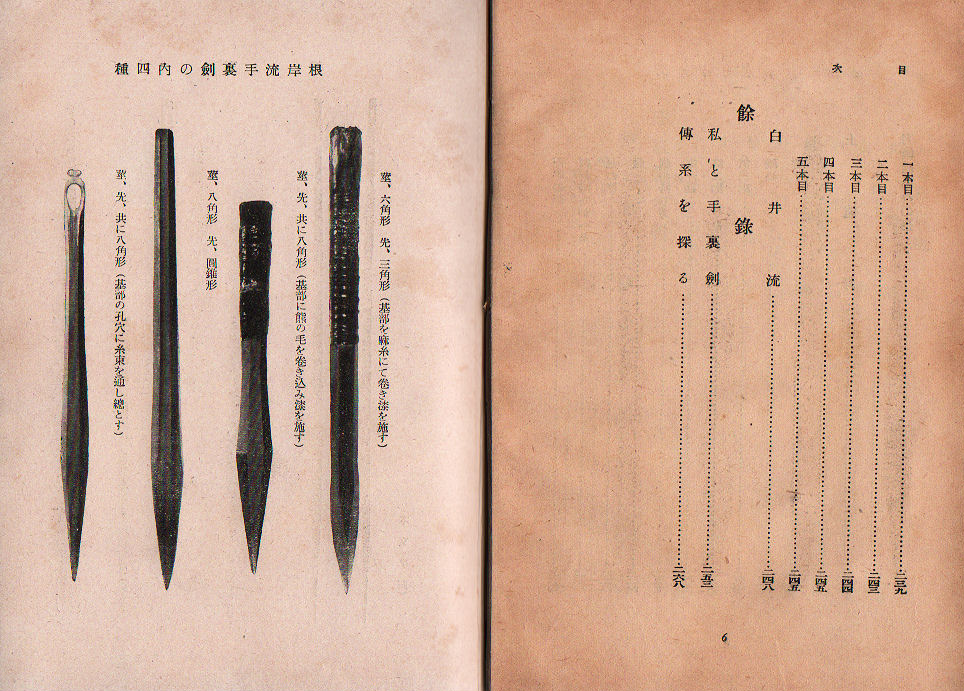
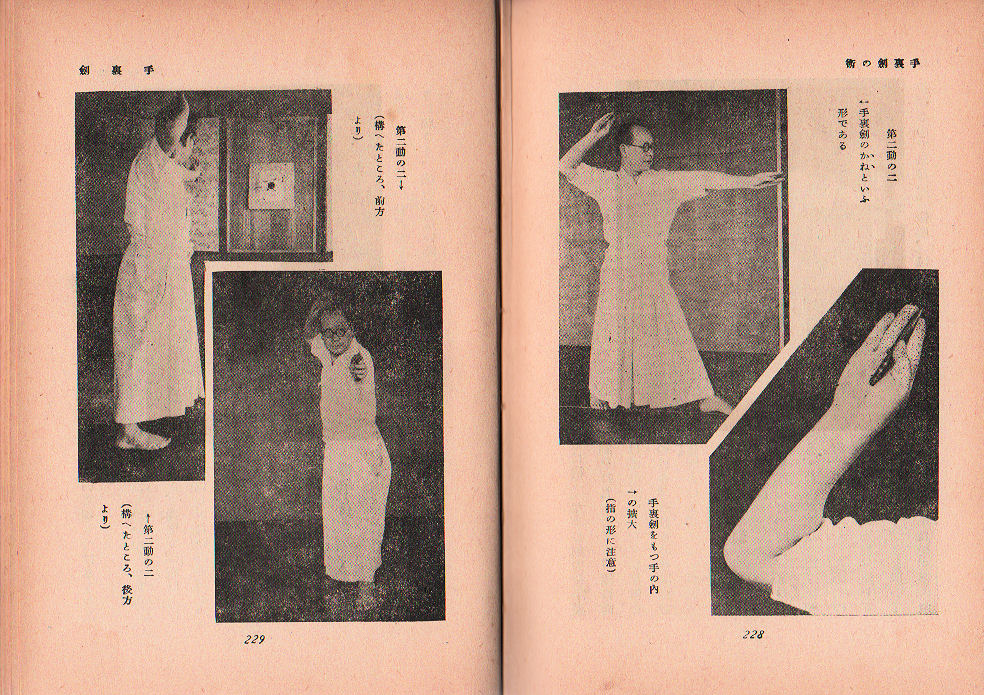
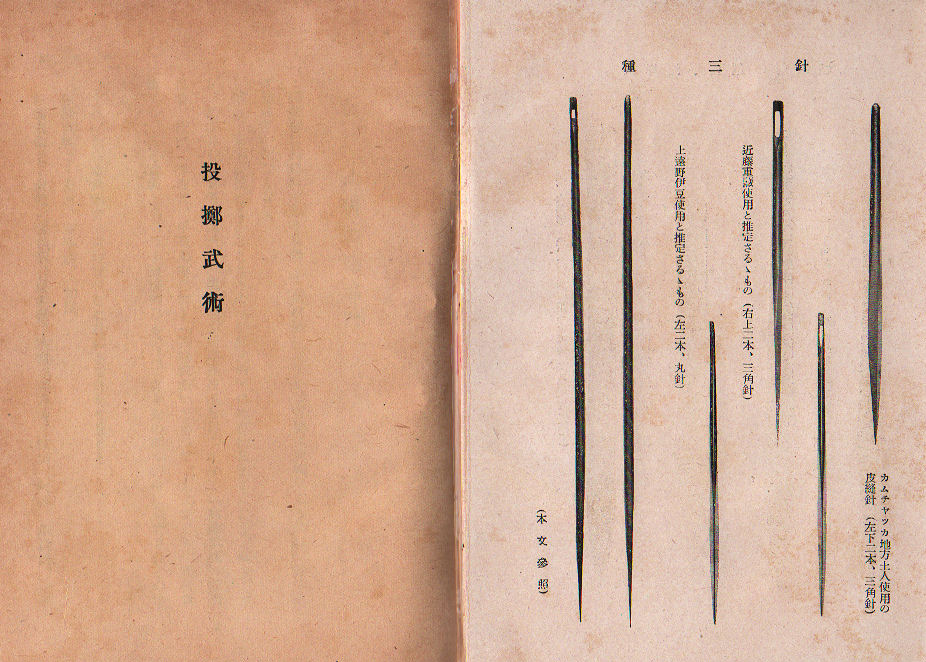
- Technical Mastery & Traditions: The book provides exhaustive technical descriptions and historical illustrations mapping out specific throwing shapes (including spikes and stars) and the precise casting mechanics belonging to classical martial schools, focusing heavily on the foundational lineages of Negishi-Ryū and Shirai-Ryū.
- Comparative Martial Sciences: Moving well beyond the simple mechanics of throwing blades, Naruse connects the art to broader traditional sciences, including classical Kyūdō (archery) body mechanics and the tactical deployment of other esoteric “hidden weapons” (kakushibuki) inside the larger context of Bugei (martial sciences).
Rare & Unusual Facts About the Author and Book:
- The Lineage Headmaster & Chopstick Demonstration: Kanji Naruse was the legitimate 3rd Generation Sōke of Negishi-Ryū Shurikenjutsu. His journey began on April 15, 1927, when he met the aged 2nd headmaster, Tonegawa Magoroku, at a meeting in Tokyo. Impressed deeply after watching the elderly Tonegawa throw a sharpened chopstick completely into a tatami mat, Naruse asked to become his disciple, studying under him for 13 years until Tonegawa’s passing in 1939.
- The Frontline Sword Repairer & Statistical Revelations: Naruse was a premier sword expert deployed directly to the frontlines during the Sino-Japanese War to repair active military blades. During a single intense 9-month period, he personally repaired over 2,000 battle-damaged swords. His records revealed a shocking discovery: 60% of combat sword damage occurred not on the blade itself, but due to broken handles, split scabbards, and loose “mekugi” (retaining pins), driving him to advocate for changes in military sword design.
- The School for Deaf and Mute Children: Before WWII, Naruse Sensei and his wife operated and taught at a school dedicated to underprivileged deaf and mute children, living in a house right next door to the facility. The school’s gymnasium served as his private dojo where he openly taught his shuriken techniques.
- Post-War Censorship and Rarity: Because Naruse’s 1940s writings contained strong nationalistic tendencies matching the wartime era, many of his published books were subsequently targeted and systematically removed or destroyed from public libraries following the war. This censorship, combined with the fact that the 1943 first edition print run was limited to just 2,000 copies before the Allied firebombing of Tokyo, makes surviving copies an extraordinary rarity.
- A Fondness for Shochu: In his final years, Naruse quietly continued passing on his shurikenjutsu lineage to his top three senior students on a farm at Akitsu in Musashino. His students fondly remembered that he had a distinct passion for shochu (Japanese rice wine), which he would heat up and drink during cold winters while sitting comfortably under a heated kotatsu table, shortly before he succumbed to cirrhosis of the liver on September 30, 1948.
- The Shrapnel Inspiration: During his battlefield deployments, Naruse took detailed notes on how soldiers threw makeshift weapons when their ammunition ran dry. He discovered that soldiers instinctively threw broken bayonets and jagged artillery shrapnel using identical weight-distribution principles to classical blades. This real-world battlefield proof inspired him to compile this 1943 manual, demonstrating that shurikenjutsu remained highly functional for modern survival situations rather than being an outdated relic.
- The Stolen Scrapbook Myth: A legendary rumor among old-school Tokyo book collectors states that the original hand-drawn layout sheets for Chapter 3 were stolen right out of Naruse’s home during a chaotic air-raid evacuation in 1944. The missing illustrations supposedly detailed secret throwing angles used to bypass armored samurai helmets. While the hidden sketches were never found, Naruse spent his final months attempting to redraw them entirely from memory onto low-quality scrap paper.
Edition details
- Published:
- 04/20/1943
- Publisher:
- Shintaishusha
- Edition:
-
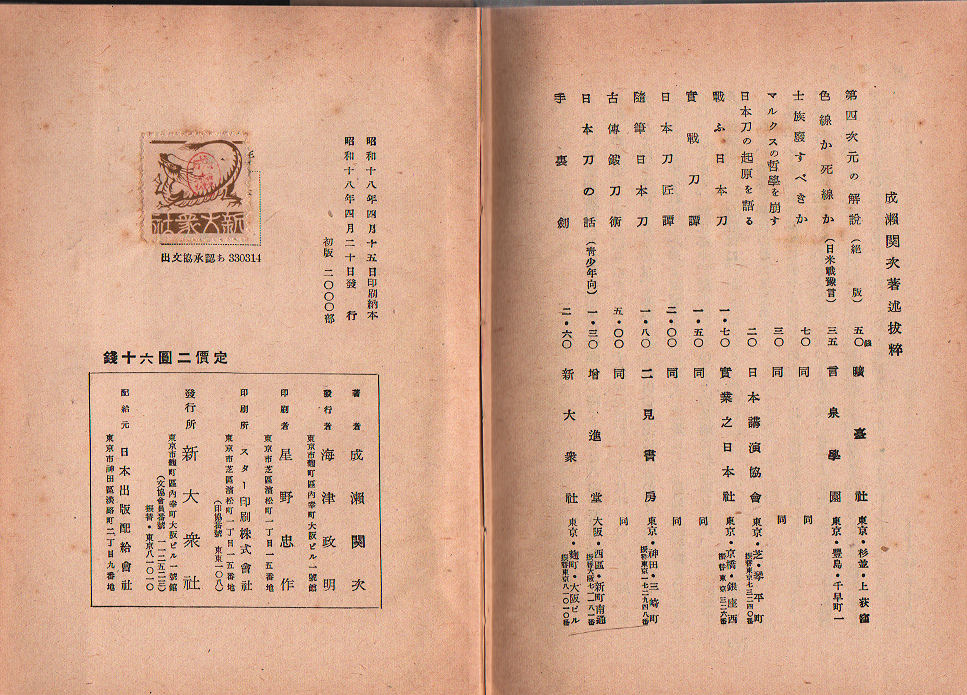
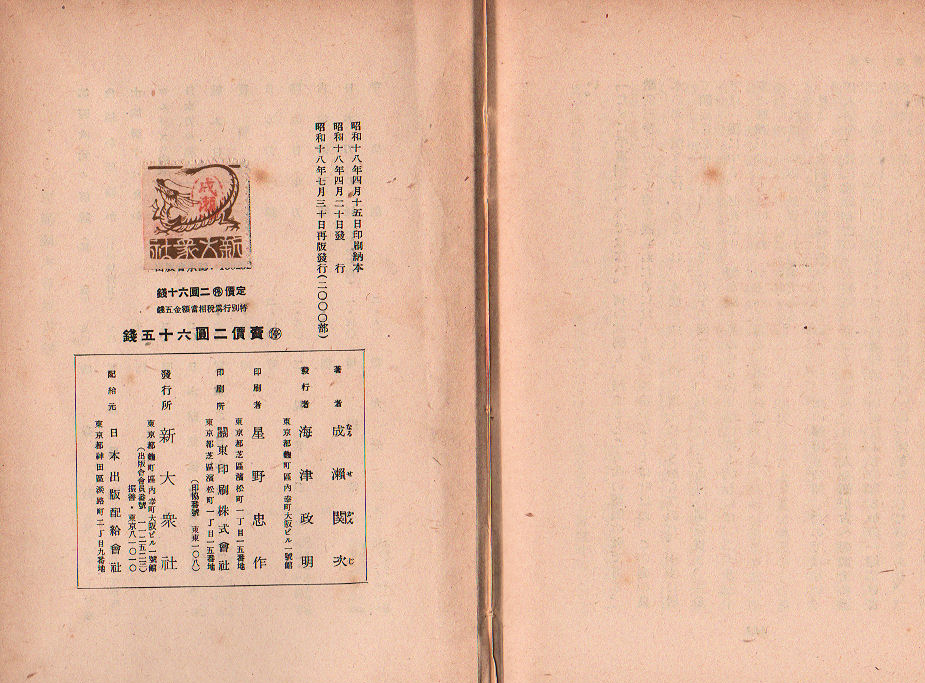
- • Publishing Leadership: Authored by the 3rd Generation Headmaster (Sōke) of Negishi-Ryu Shurikenjutsu.
- • Edition Printing Run: Limited historical run restricted to 2,000 copies (二〇〇〇部)
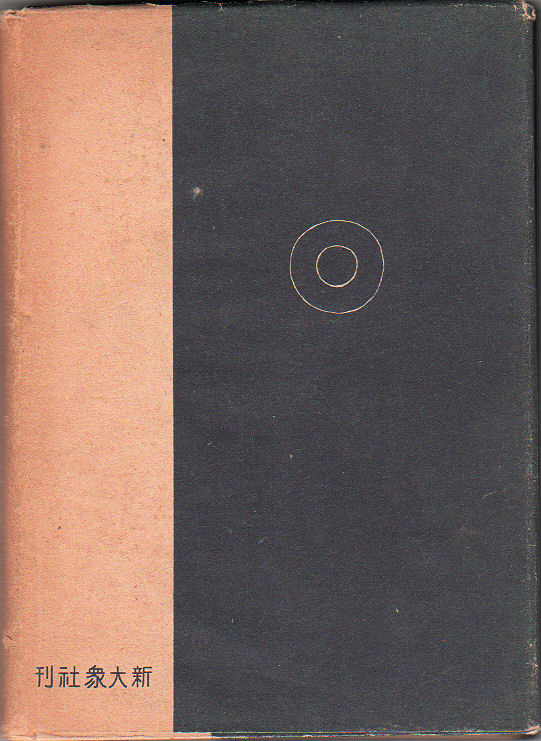
- • Japanese Corporate Label: Shintaishusha (新大衆社)
- • Native Print Metrics: Dimensions: 19 x 13 cm | 283 Pages
- • Cover Price History: Original Retail Price: ¥2.20 (昭和18年当時定価 2円20銭)
- Condition:
- Good
- Dust jacket:
- Yes