Legacy
The Master Biography
Charles V. Gruzanski
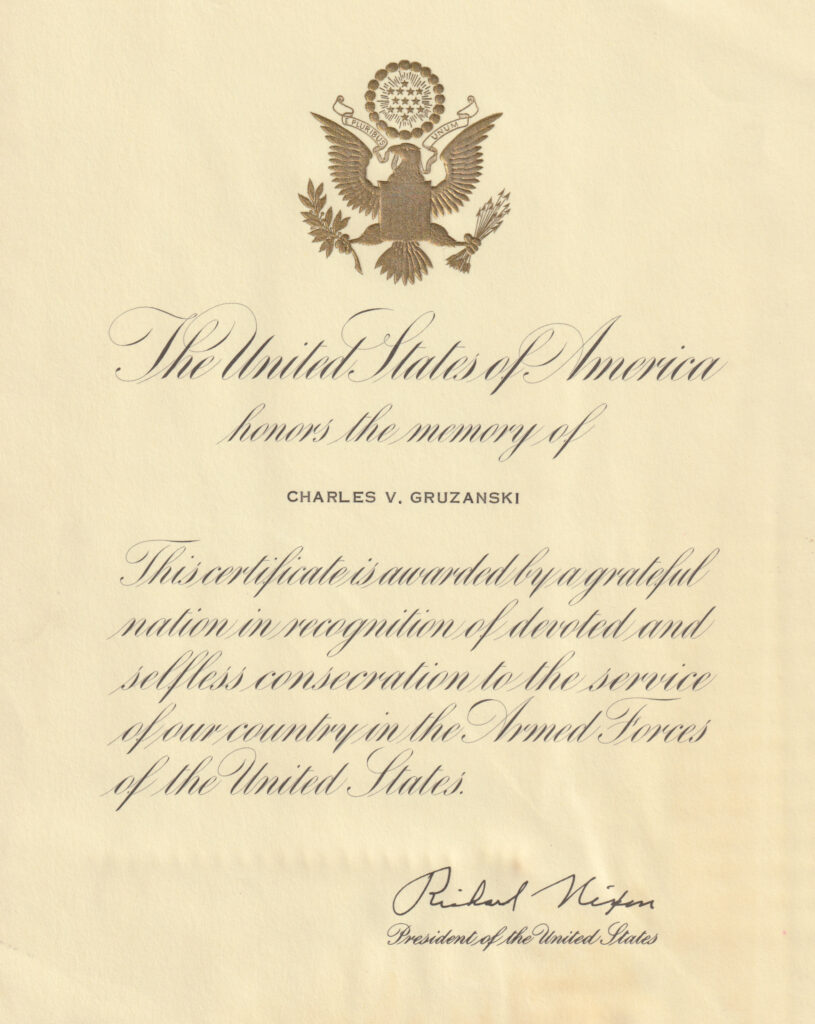
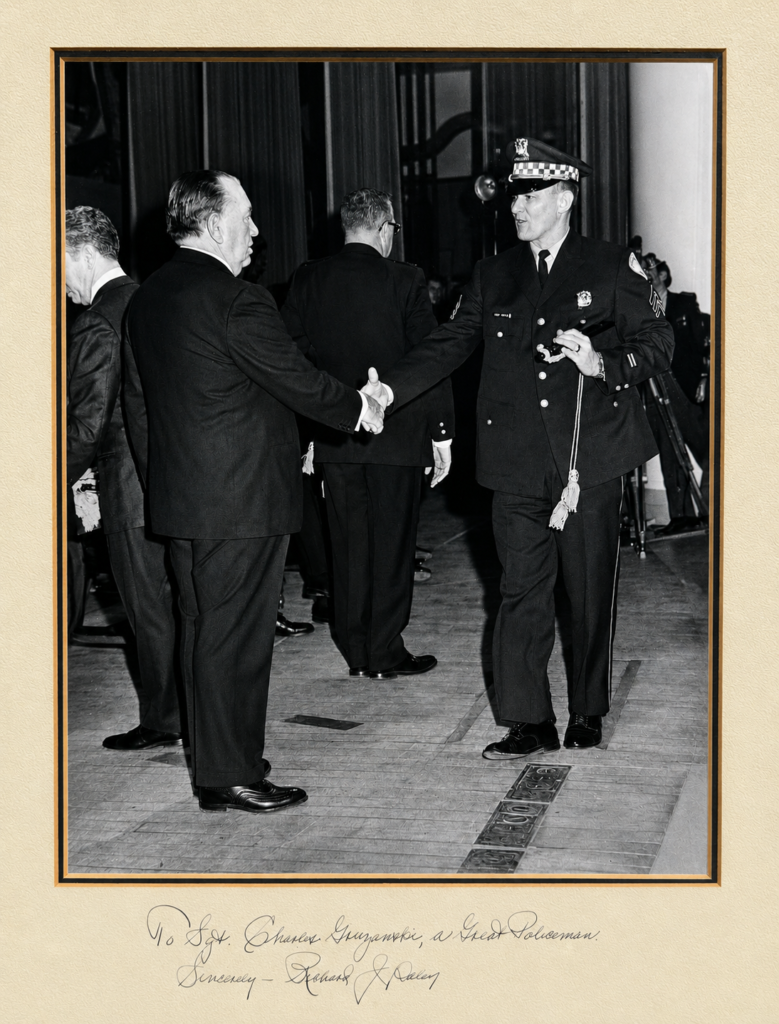
Charles V. Gruzanski entered the United States Army on February 2, 1950, at the age of sixteen, serving as a Sergeant Military Police Criminal Investigator stationed throughout Okinawa, Korea, and Japan. Upon returning to Illinois, he joined the Chicago Police Department on December 16, 1959, rising to the rank of Sergeant and transferring full-time to the Training Division at the Police Academy as a Lead Instructor on August 8, 1960. A foundational pioneer of the post-war martial arts movement, he bridged elite tactical self-defense with traditional combat methodology. As an author, his classic instructional manuals, including Spike and Chain and Knife Throwing as a Modern Sport, effectively codified rare classical combat traditions for Western audiences and remain essential references for modern researchers.
His immersive deployments in post-war Japan established a lifetime of deep mastery within the most prestigious traditional Budo institutions. He initiated his foundational training at the Kokura Japan Police Dojo, culminating in a Shodan ranking from the Kodokan Judo Institute in Tokyo on January 11, 1953. His extensive martial trajectory yielded a rare array of advanced ranks, including a Yodan fourth degree black belt in Karate, where he operated as the officially appointed Midwest Branch Chief for the Japan Karate-Do Kyokushinkai under Sosai Masutatsu "Mas" Oyama. He furthered his lineage at the Yoshinkan Aikido Institute in Tokyo, attaining a Yodan fourth degree black belt certified directly by Grandmaster Gozo Shioda. Crucially, he was the first Western disciple to receive the prestigious Menkyo Kaiden master instructors license directly from Master Yumio Nawa in the hidden battlefield art of Masaki-Ryu, and he likewise held elite master-level qualifications across traditional Ju-Jutsu systems, holding a first Mokuroku from the Sosuishi-ryu Ju-Jutsu Kai and a Yodan fourth degree black belt in Hakko-ryu Jujutsu certified on January 20, 1968, under the authority of James A. Benko, whom he served alongside as Assistant Director.
Spike and Chain
1
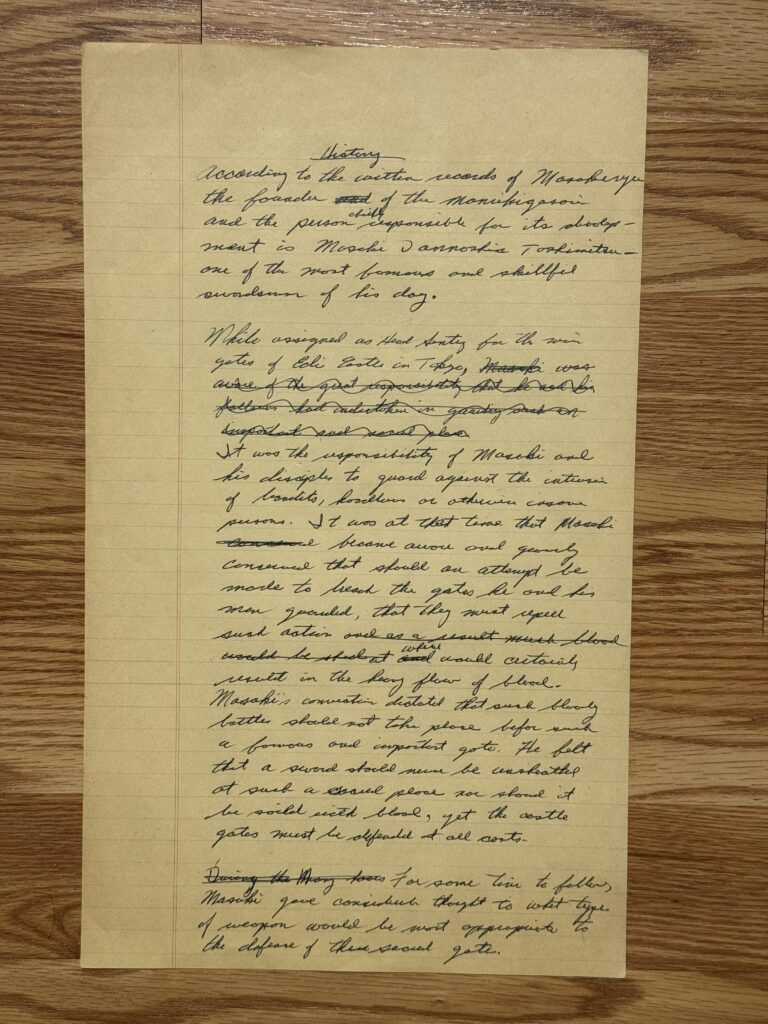
Handwritten Manuscript
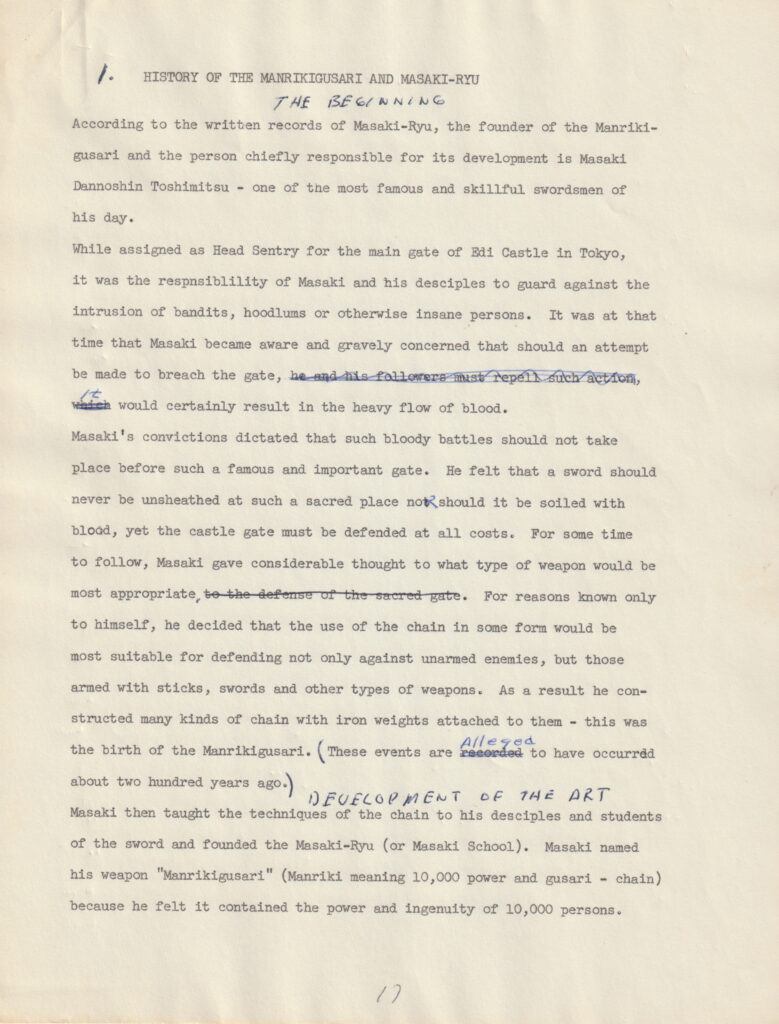
2
Publisher's Manuscript with Corrections
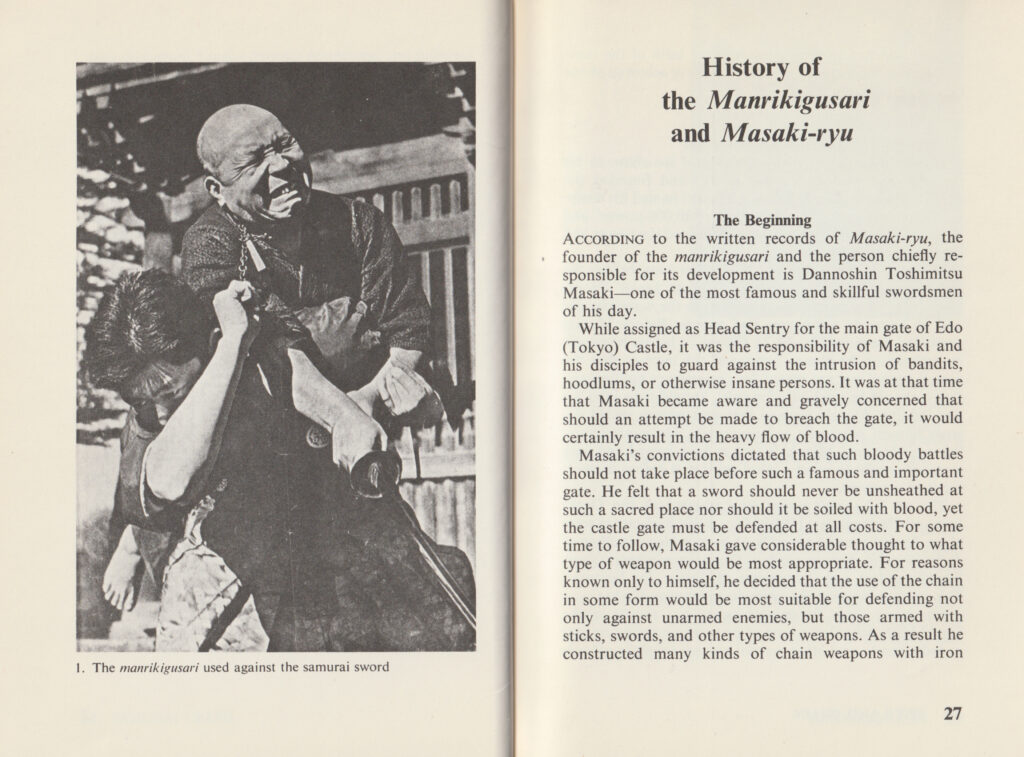
3
First Edition (published 1972)
Spike and Chain
Handwritten Manuscript
Page 27
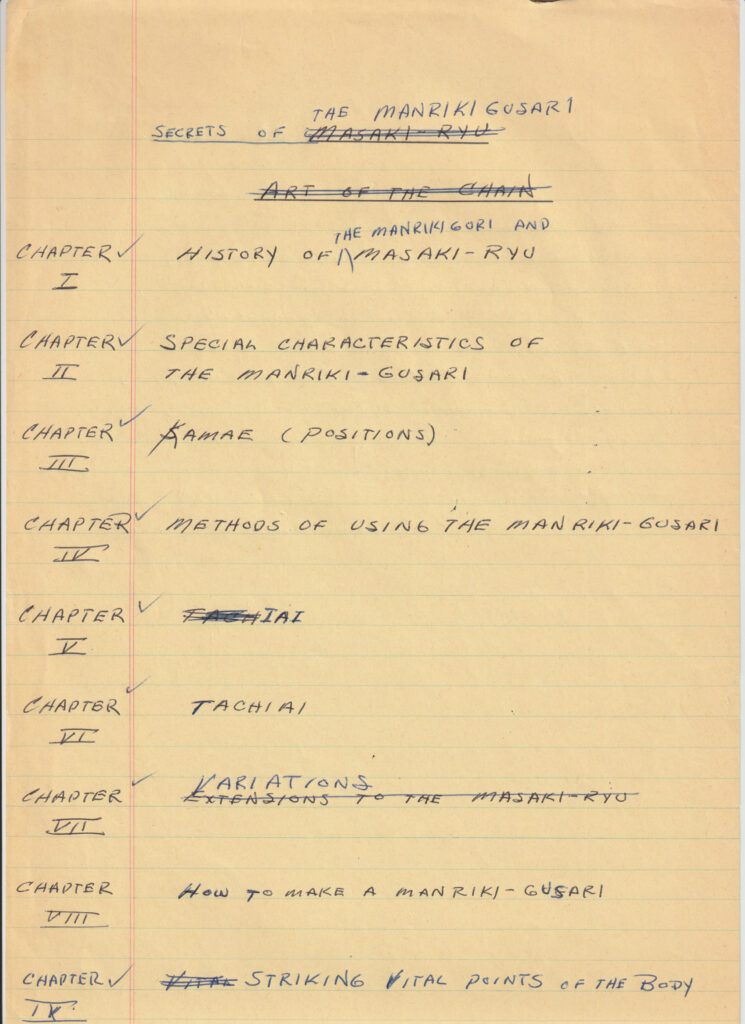
Page 7
Publisher's Manuscript
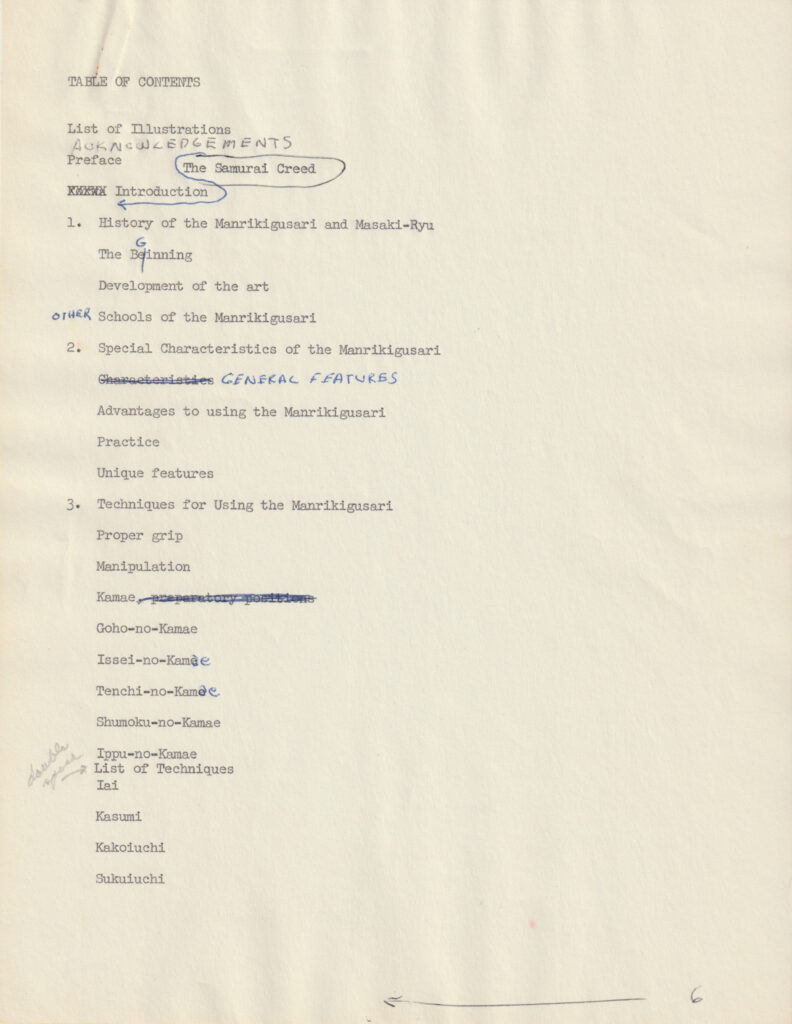
Page 7
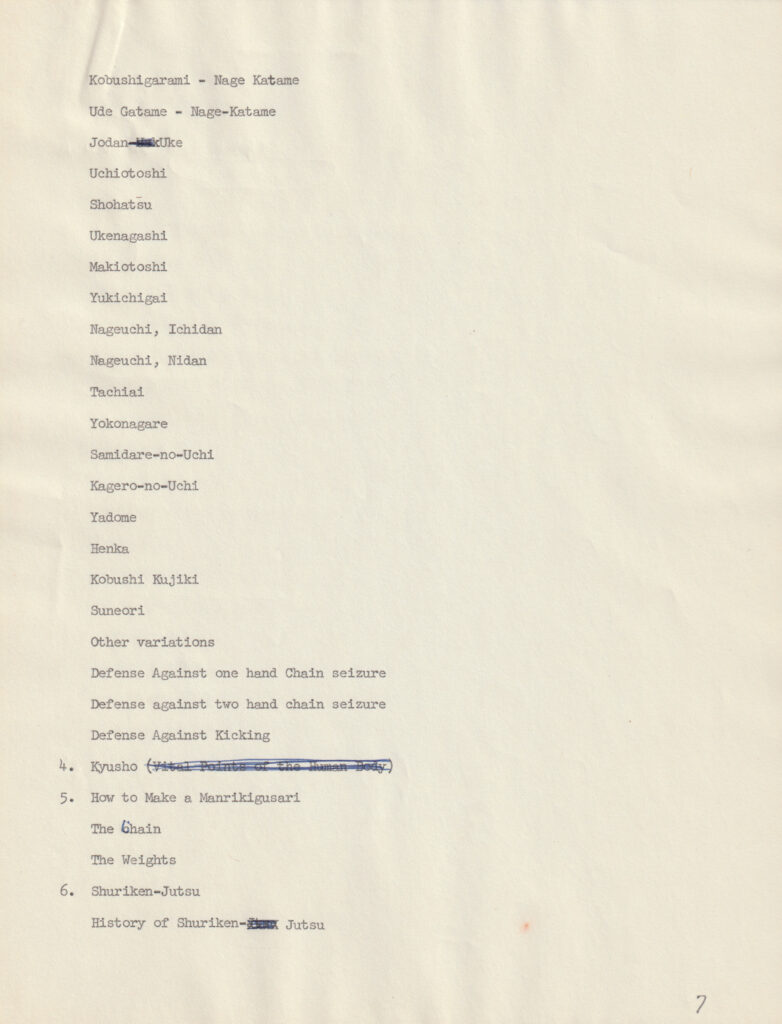
Page 8
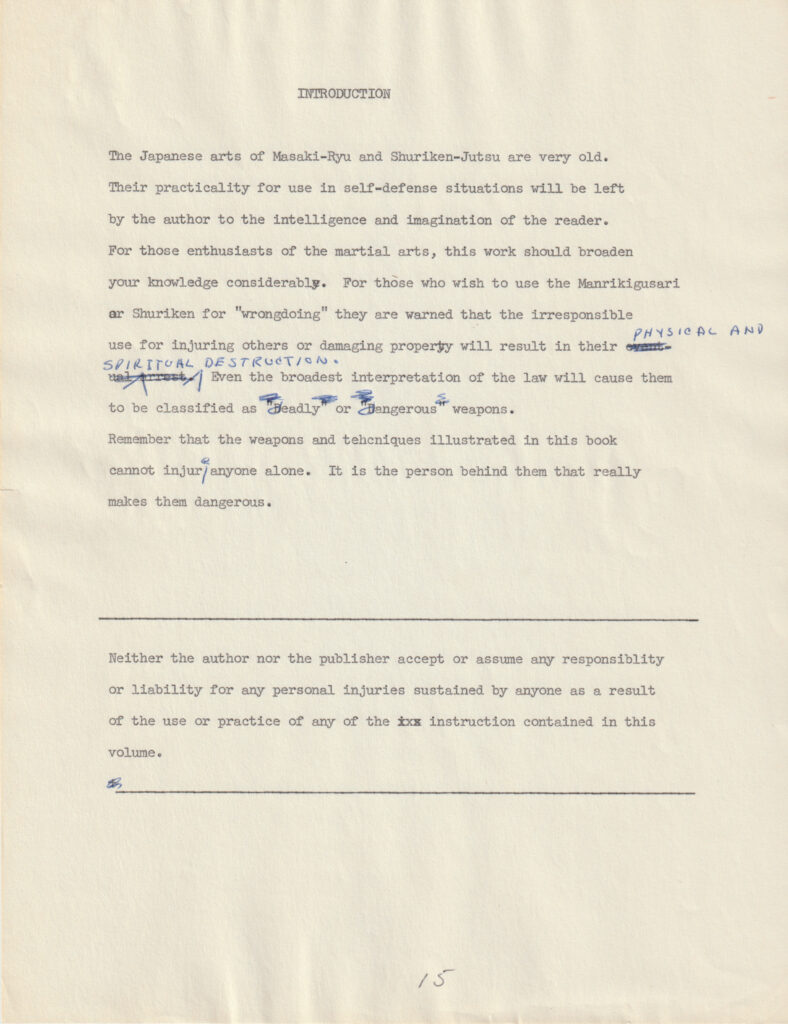
Page 21
Page 27
First Edition
(Published book)
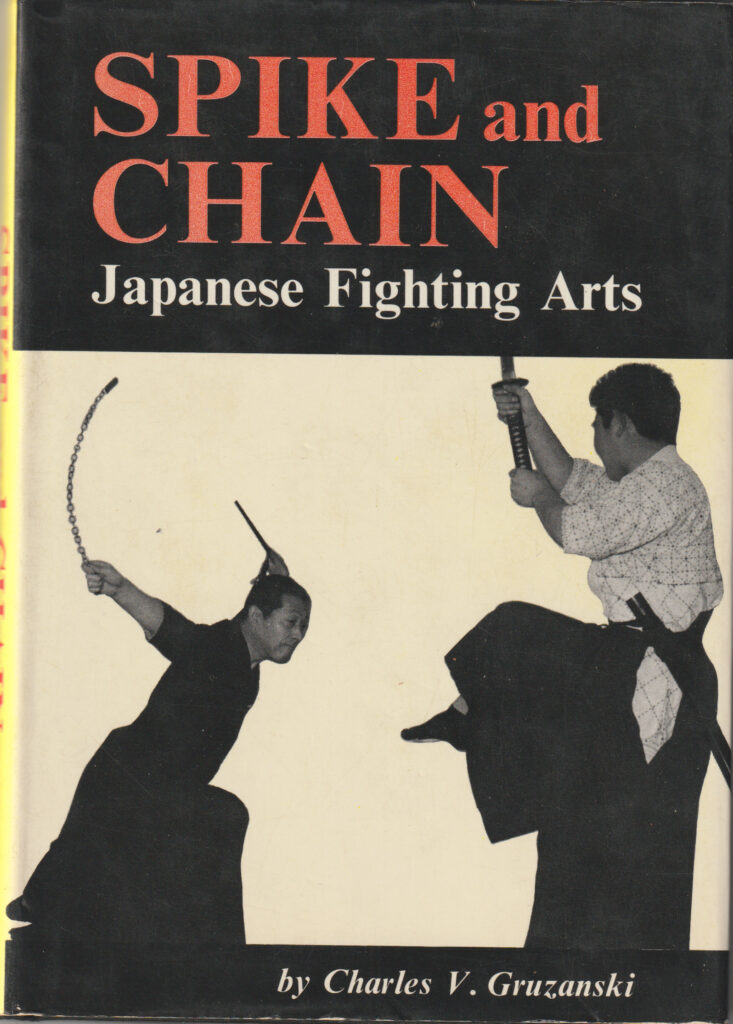
Book Title
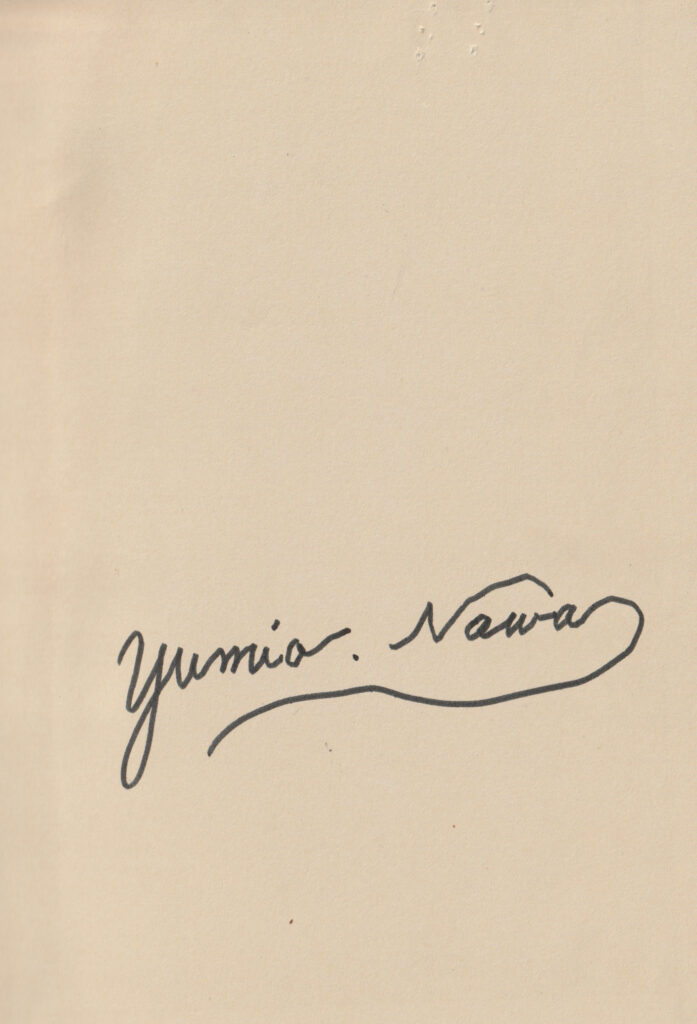
Yumio Nawa signed page
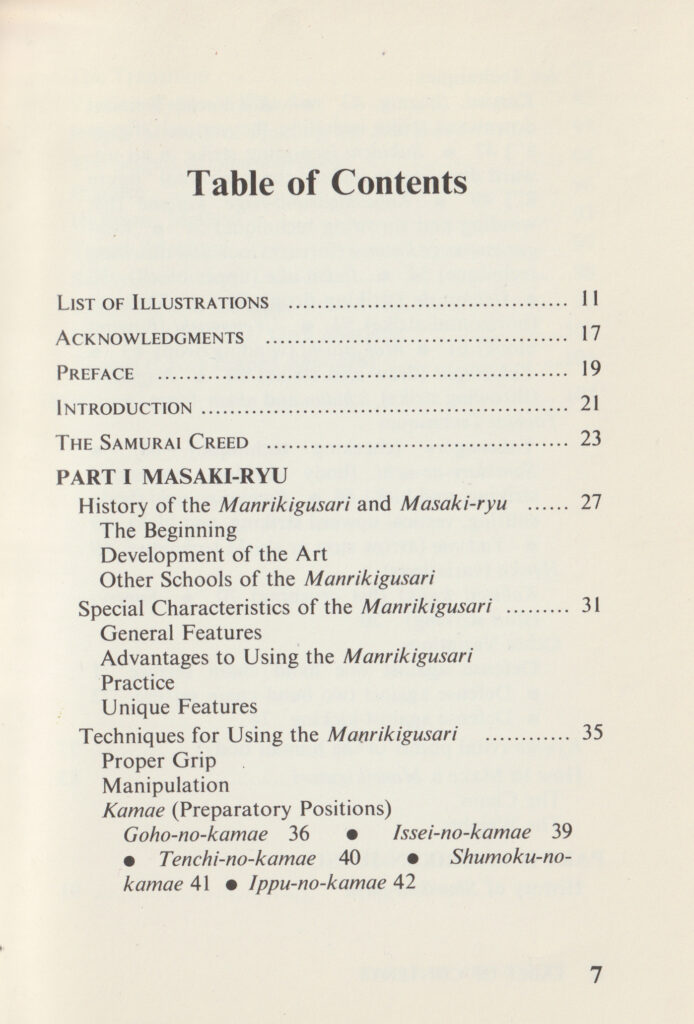
Page 7
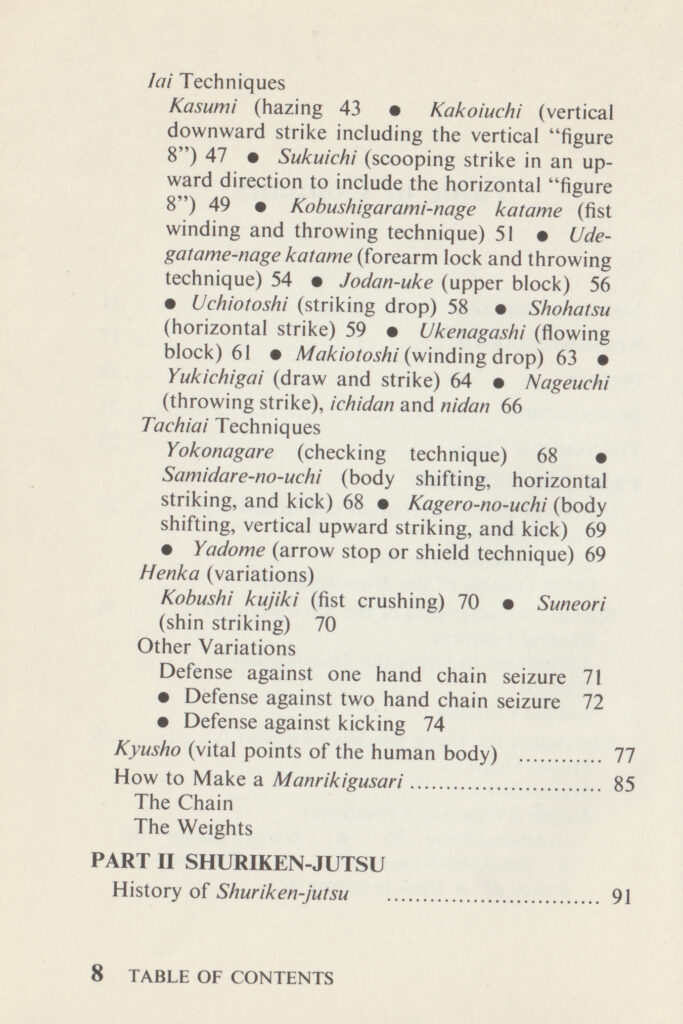
Page 8
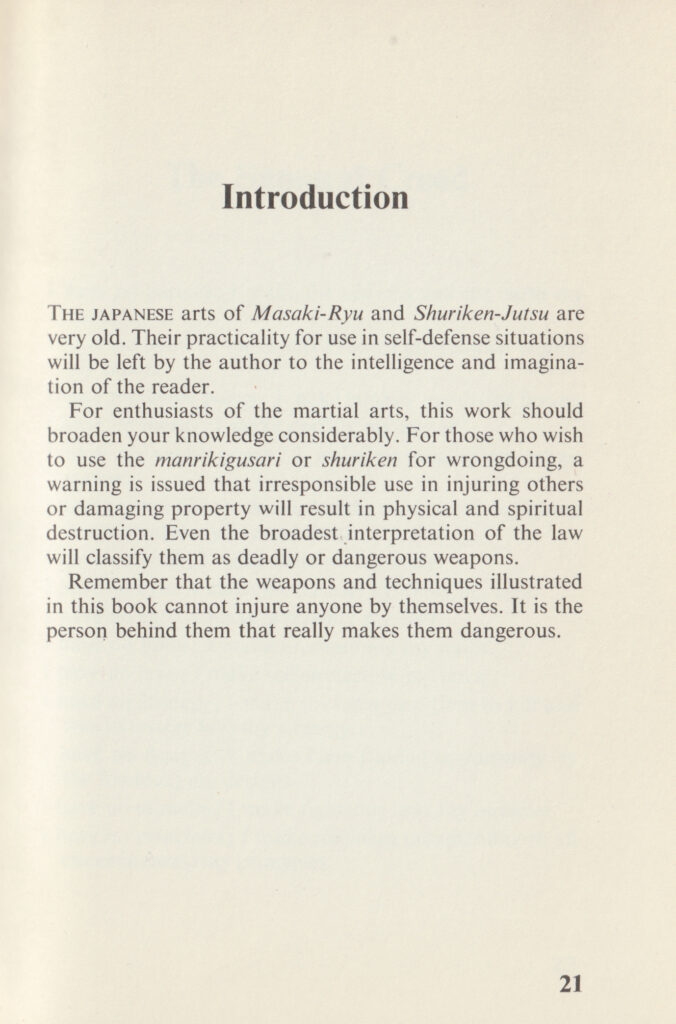
Page 21
Page 27
Knife Throwing As a Modern Sport
Publisher's Manuscript
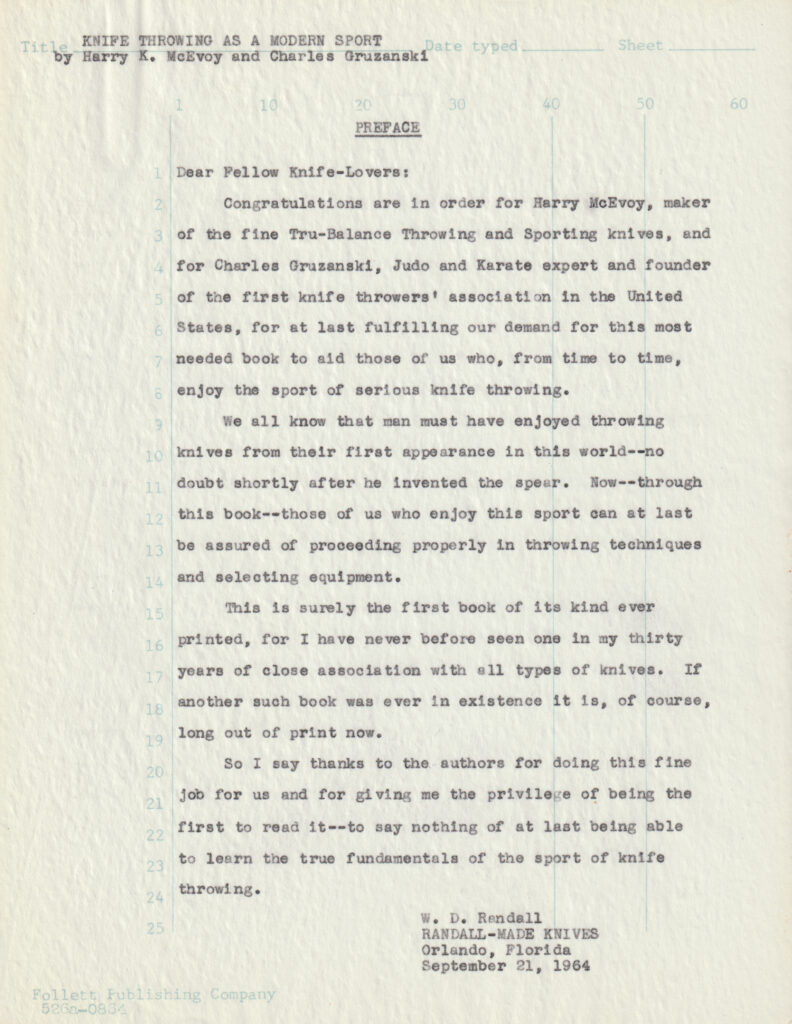
Preface
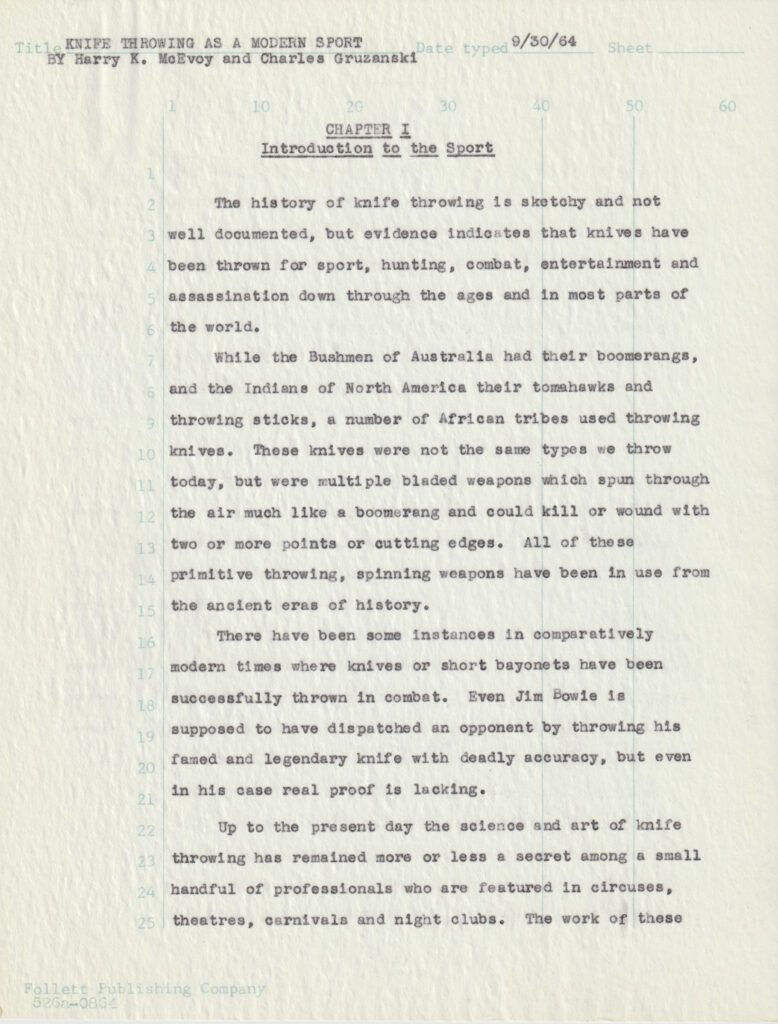
Introduction
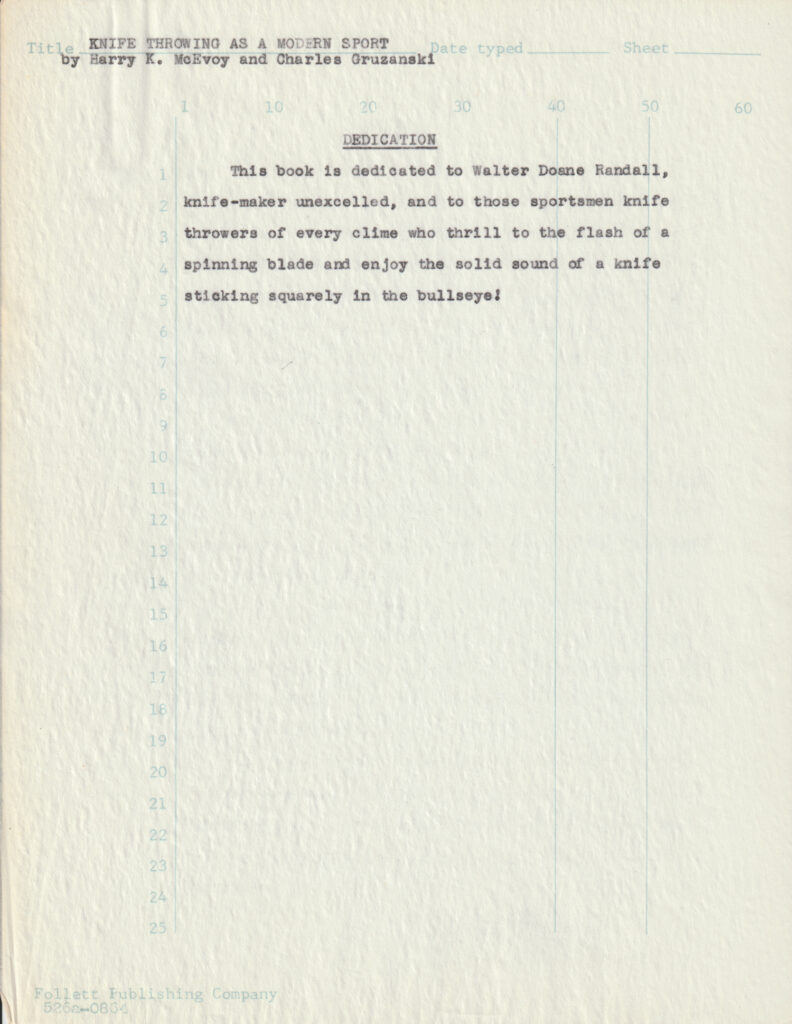
Dedication
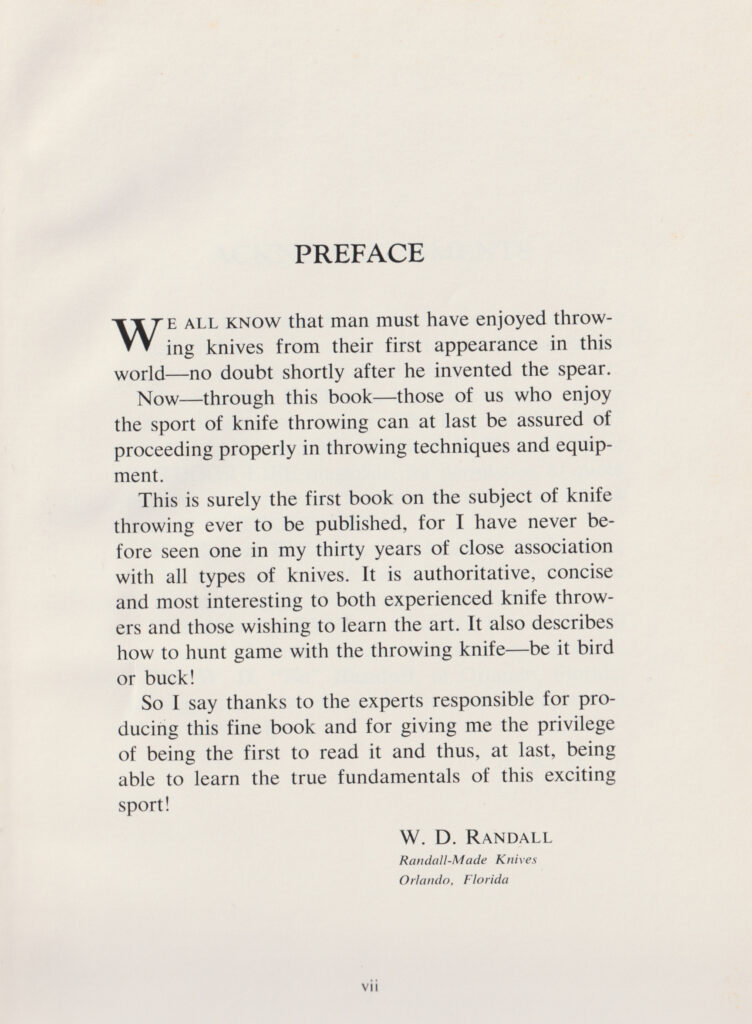
Preface
First Edition
(Published book)
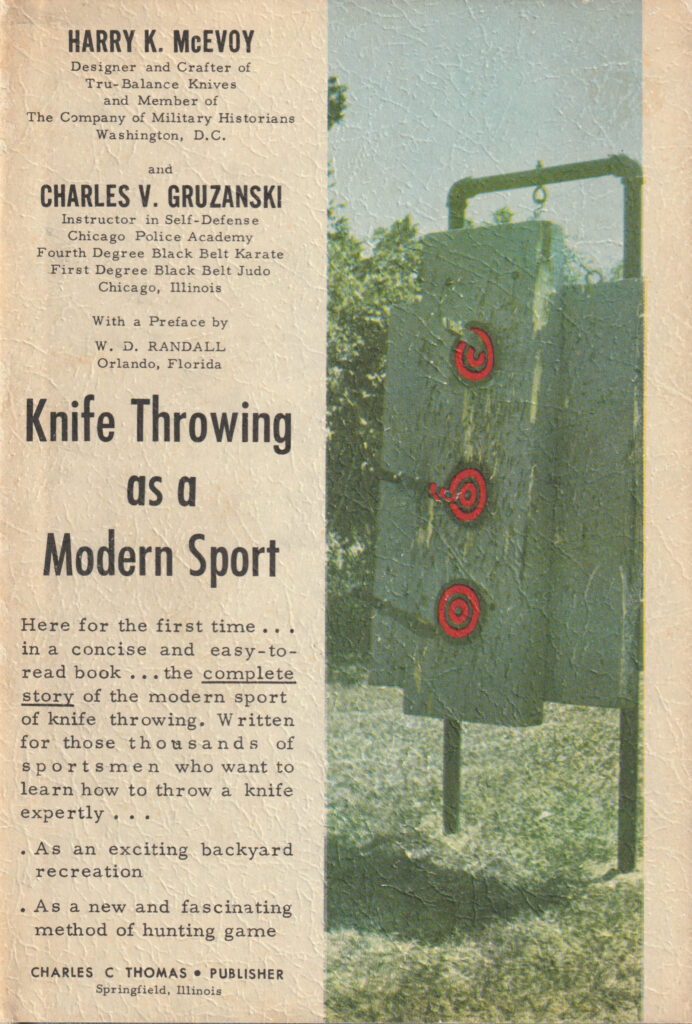
Cover
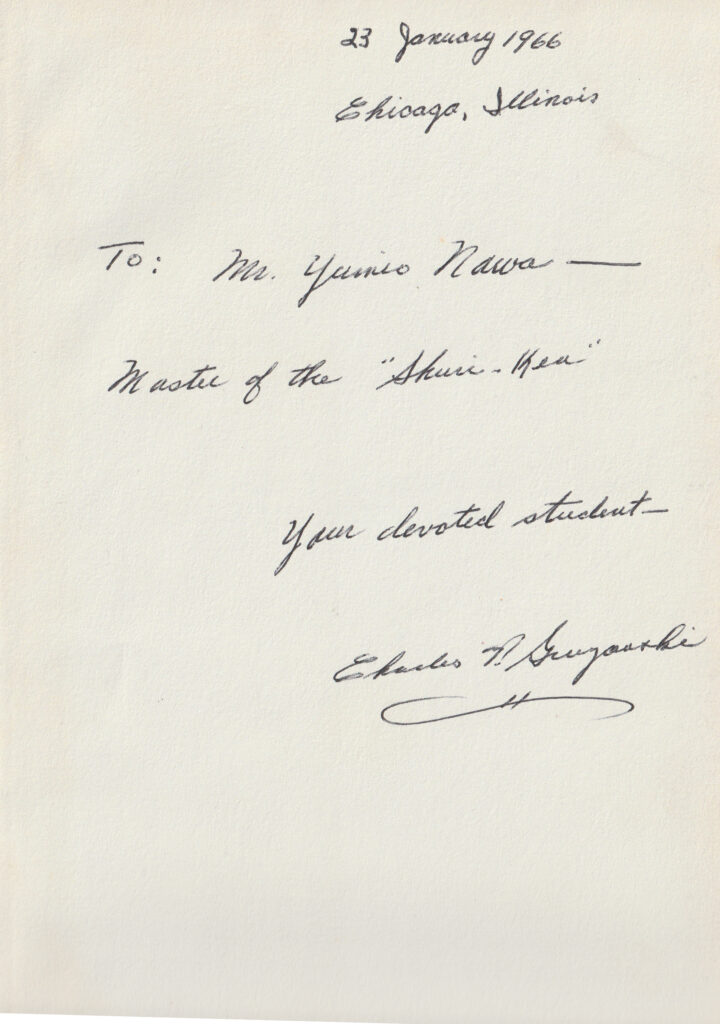
Signed Page
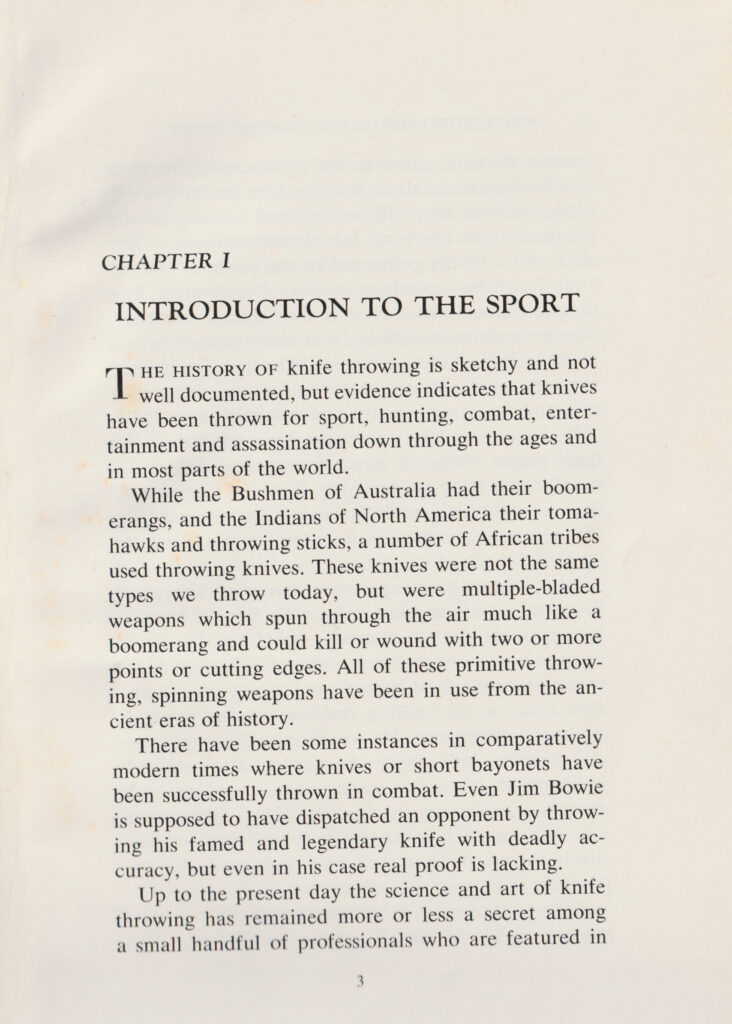
Introduction
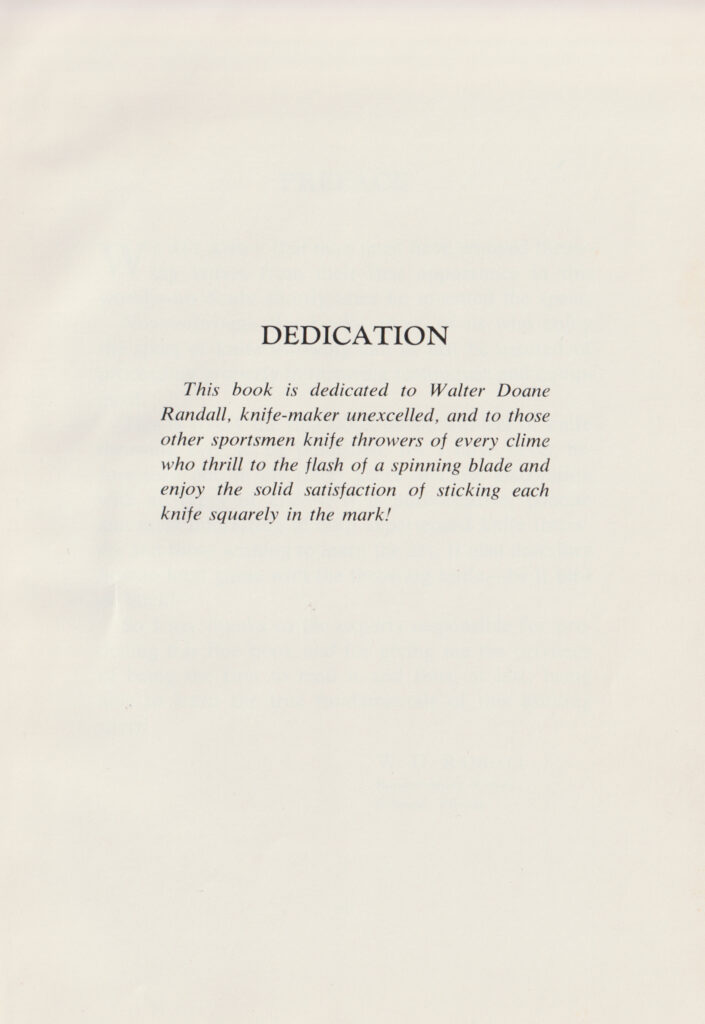
Dedication
Martial Arts Legacy
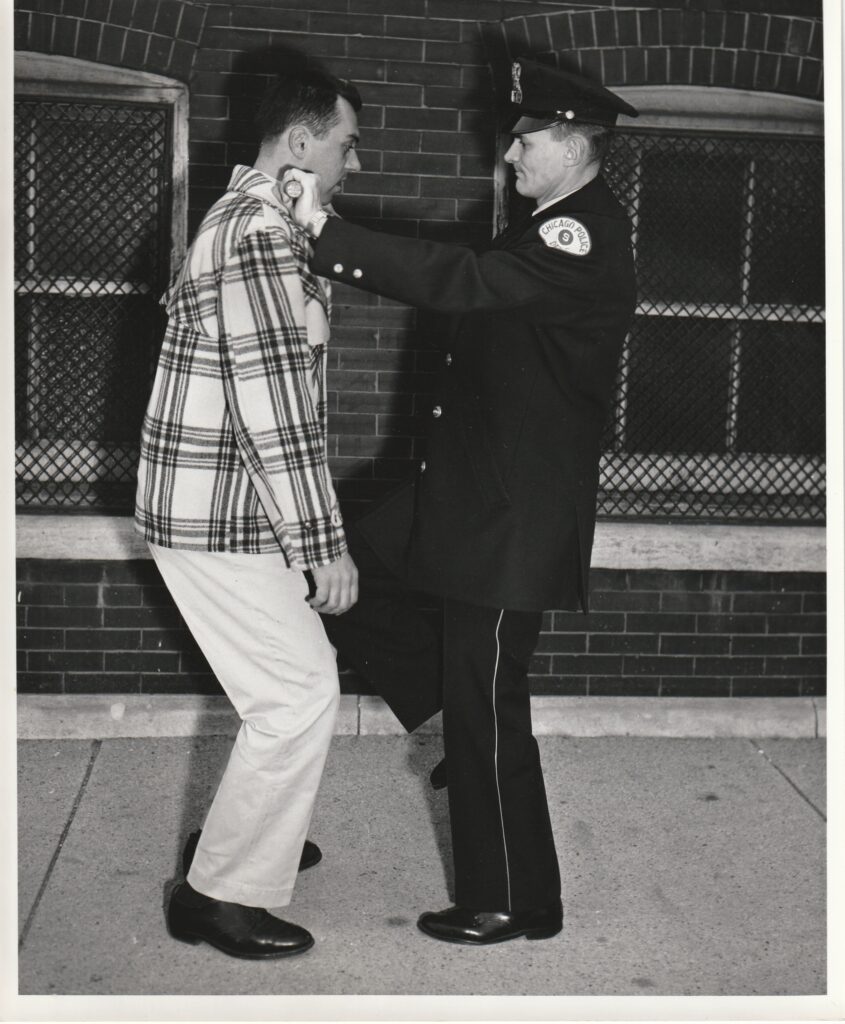
Gruzanski training
Charles V. Gruzanski demonstrates a…
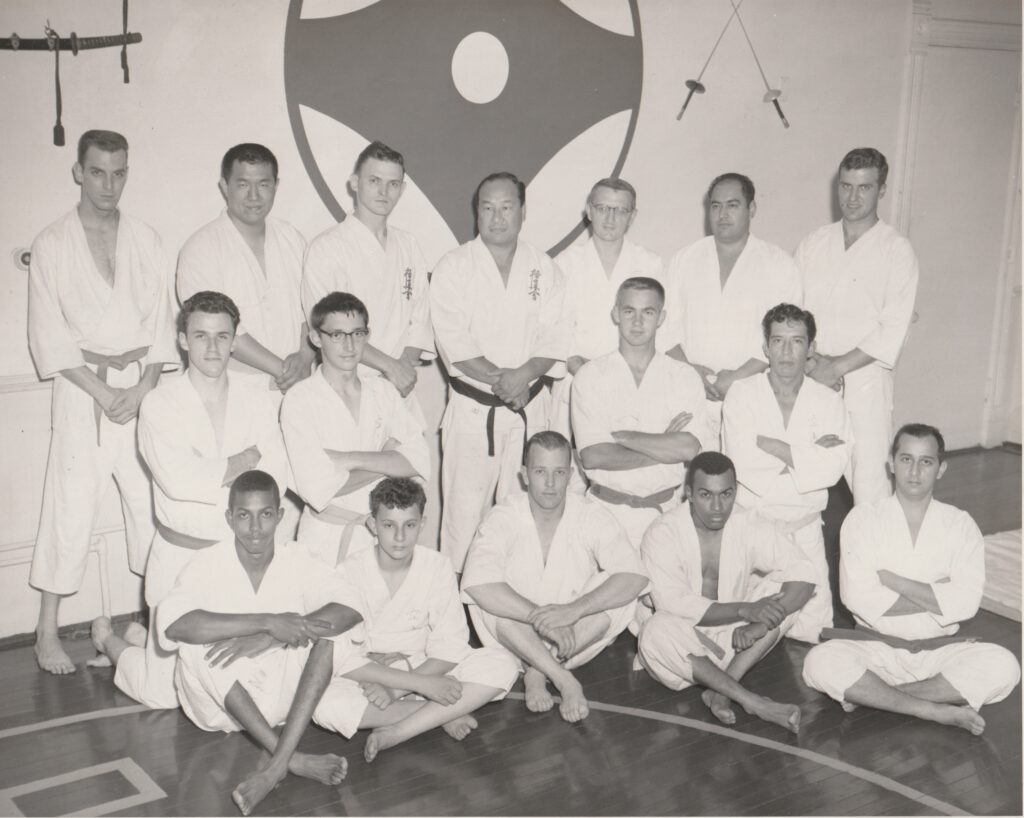
Oyama Gruzanski group photo
Historic group photograph of Sosai…
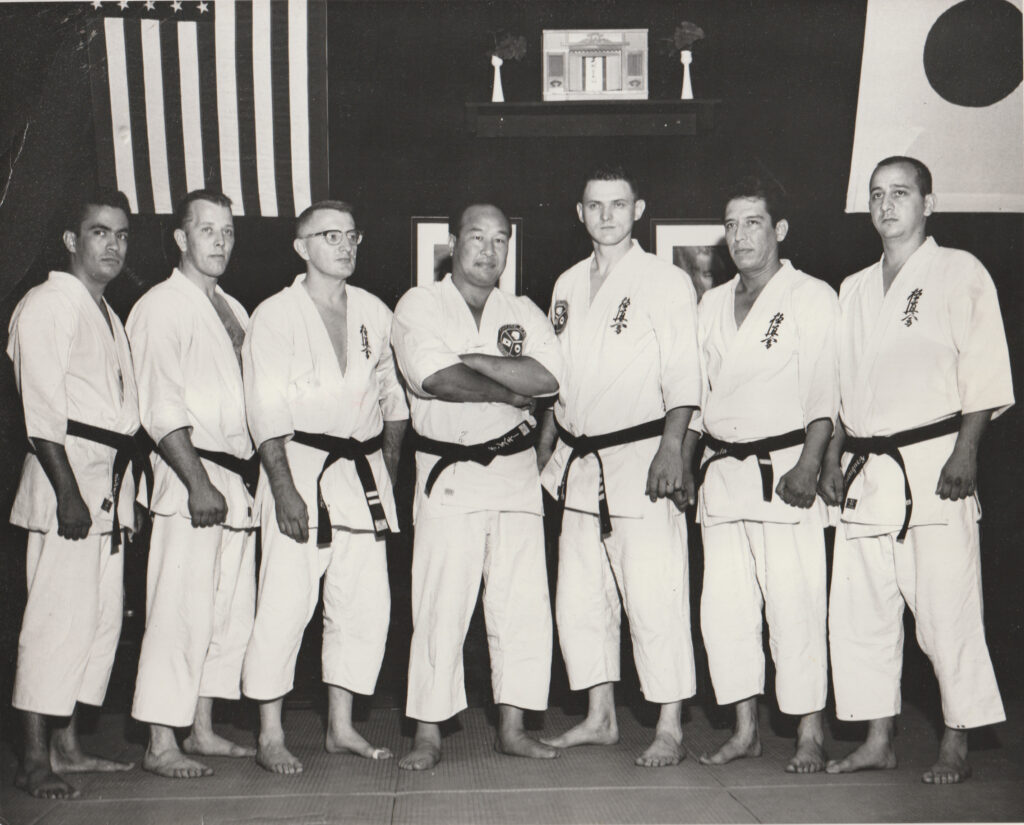
Oyama Gruzanski black belt group photo
Historical Photographs
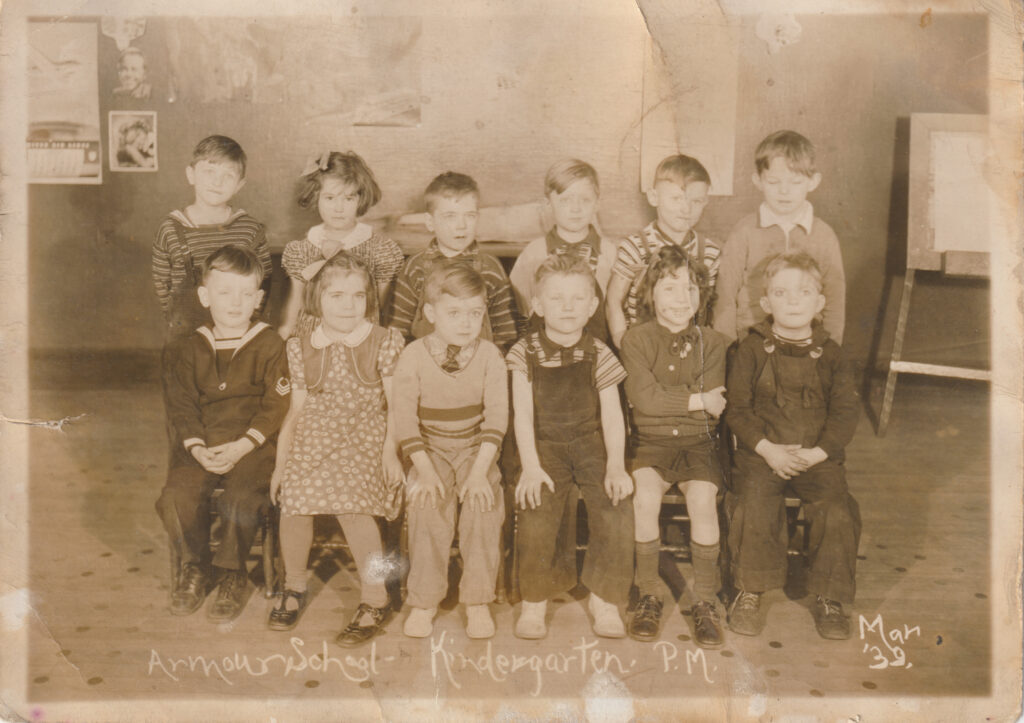
Charles Gruzanski 1939 kindergarten
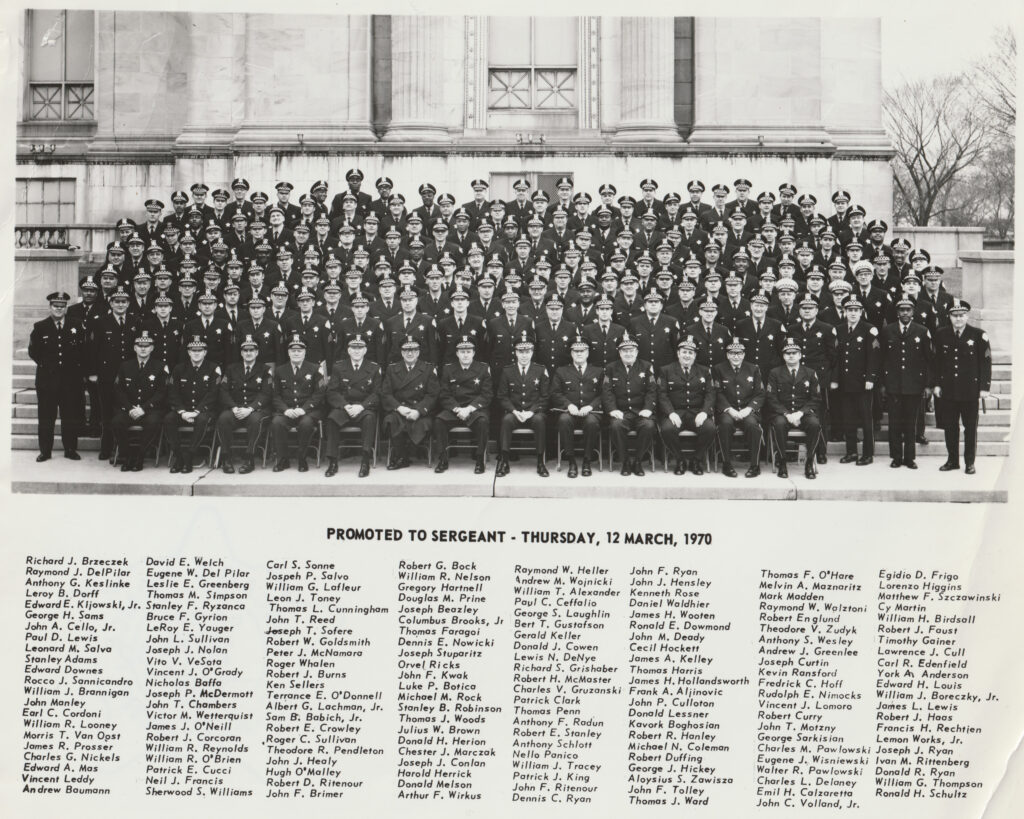
Promoted Sergeant Gruzanski 1970
Awards, Certificates, Letters & Archival Material
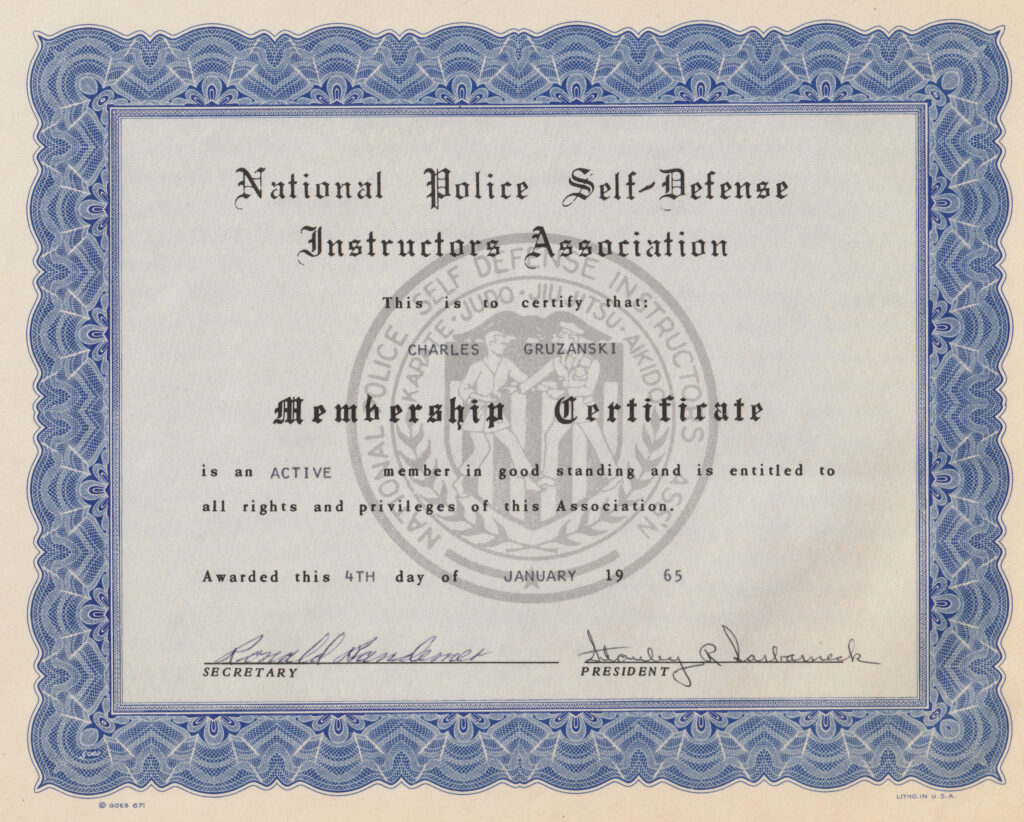
National police self defense instructors certificate
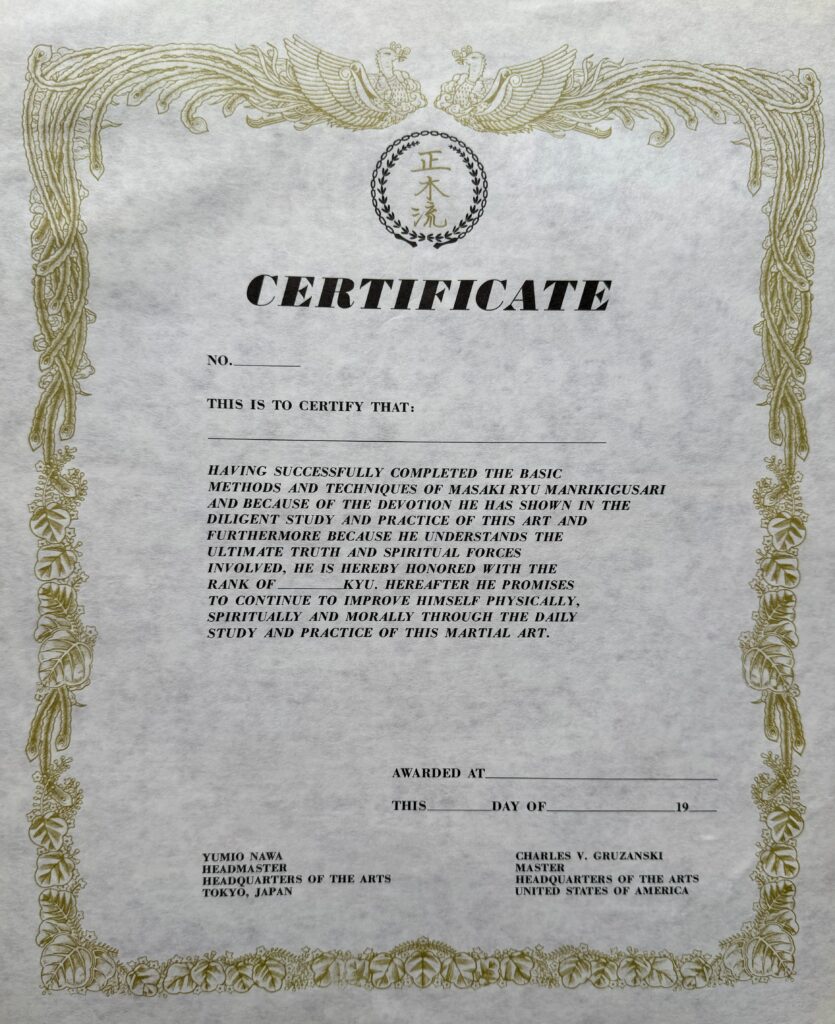
Masaki Ryu Kyu certificate
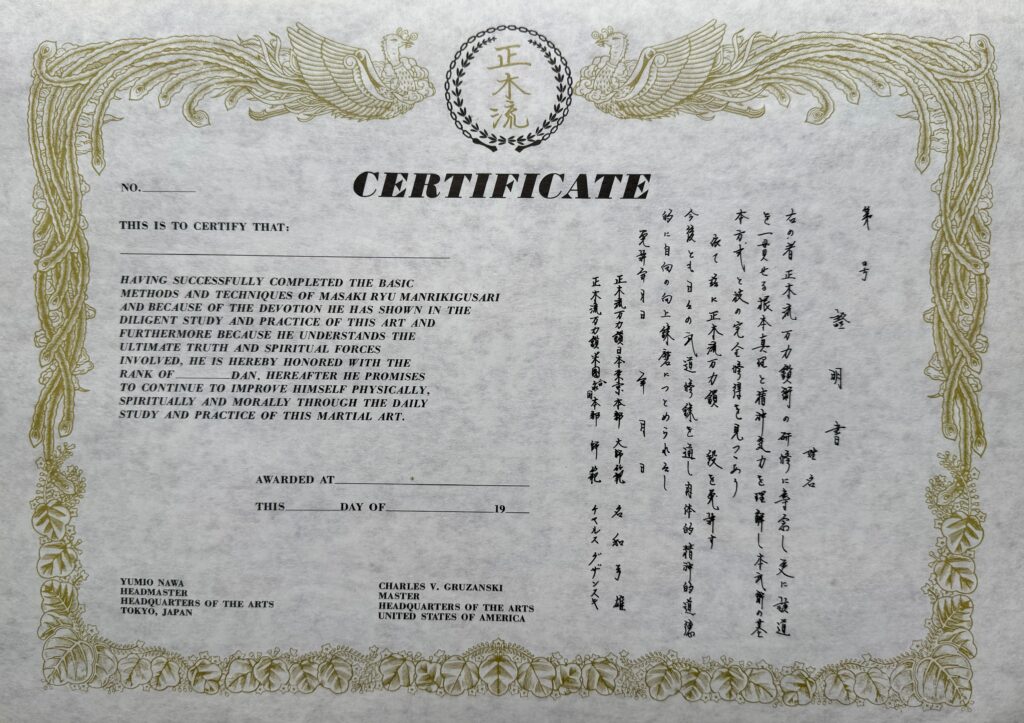
Masaki Ryu Dan certificate
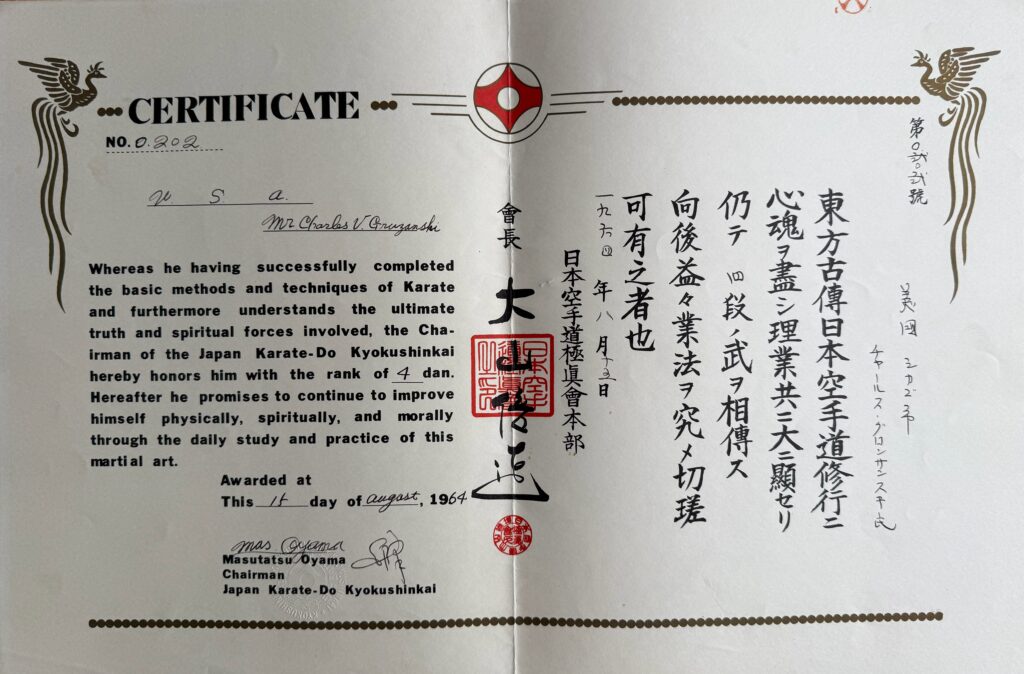
Kyokushinkai karate 4th dan Oyama signed
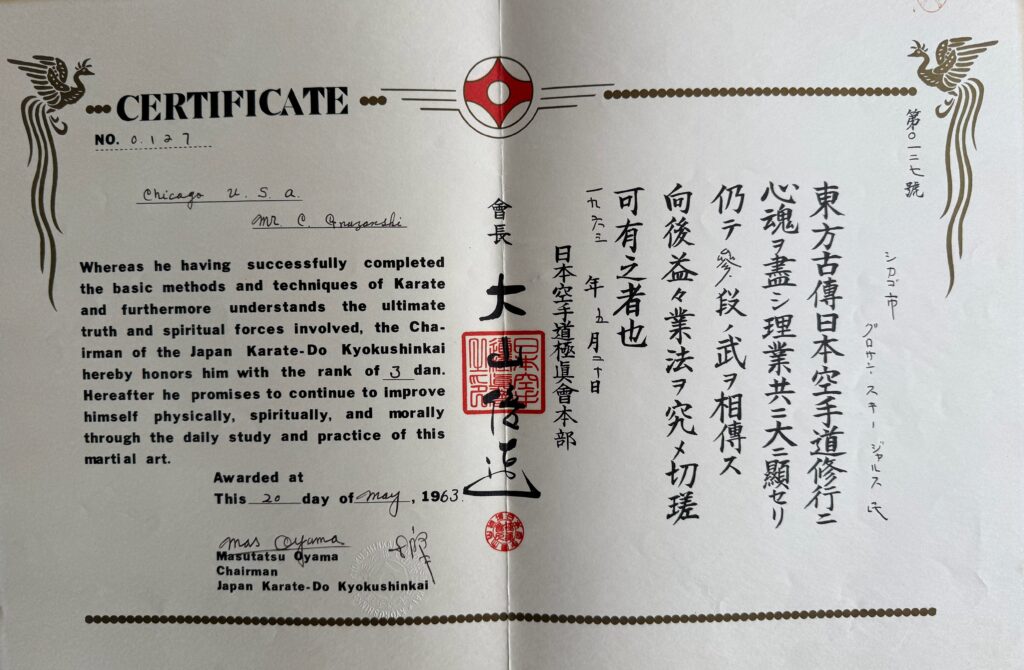
Kyokushinkai karate 3rd dan Oyama signed
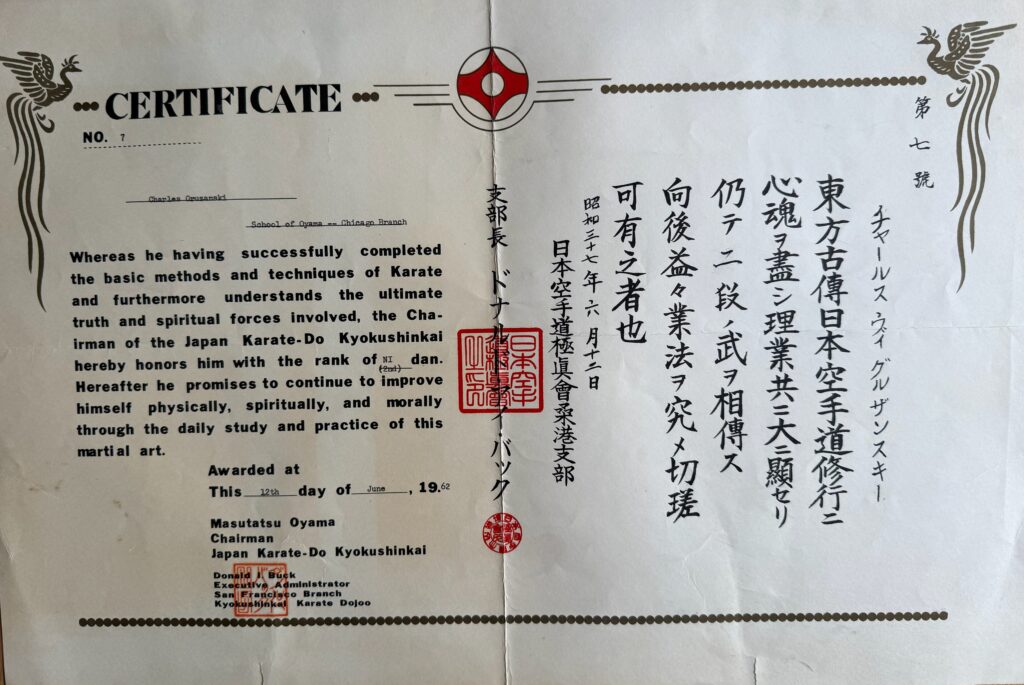
Kyokushinkai karate 2rd dan school don buck Oyama signed
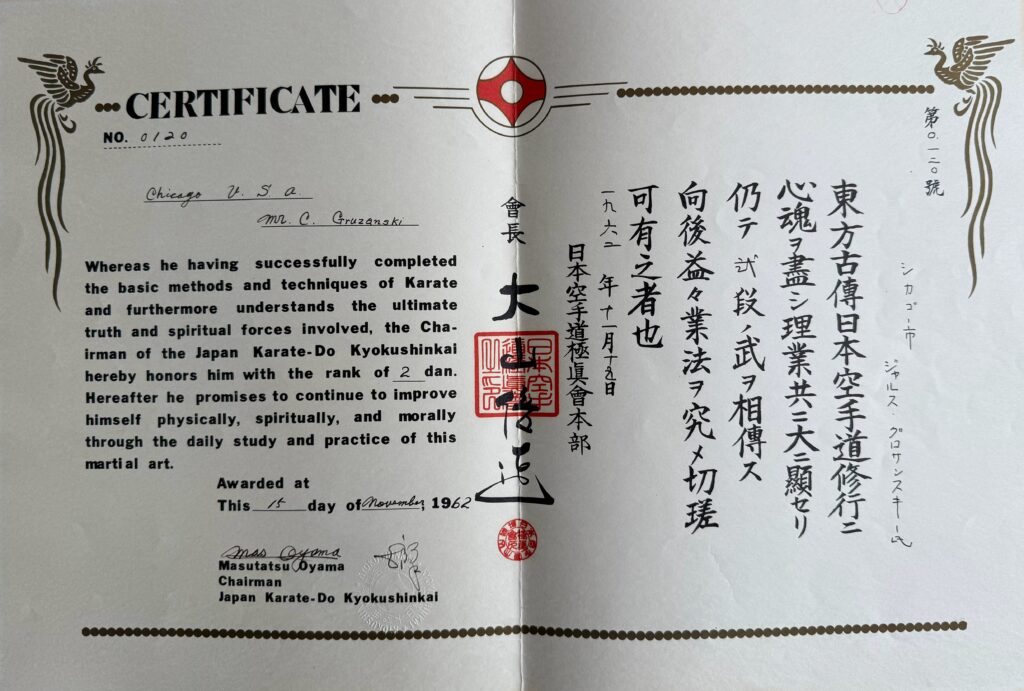
Kyokushinkai karate 2rd dan Oyama signed
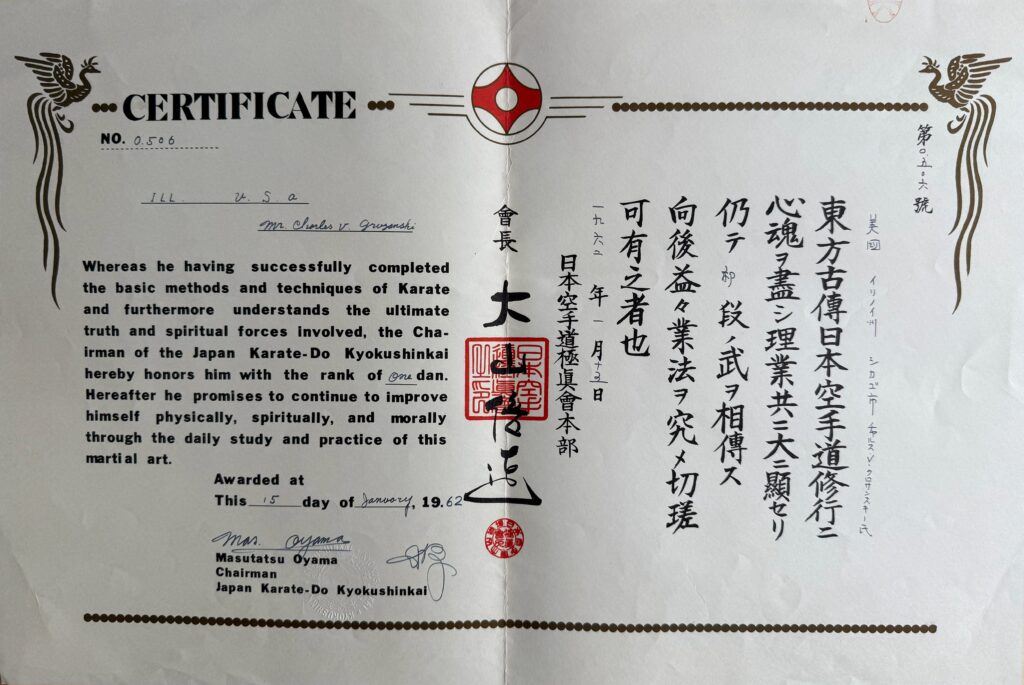
Kyokushinkai karate 1rd dan Oyama signed
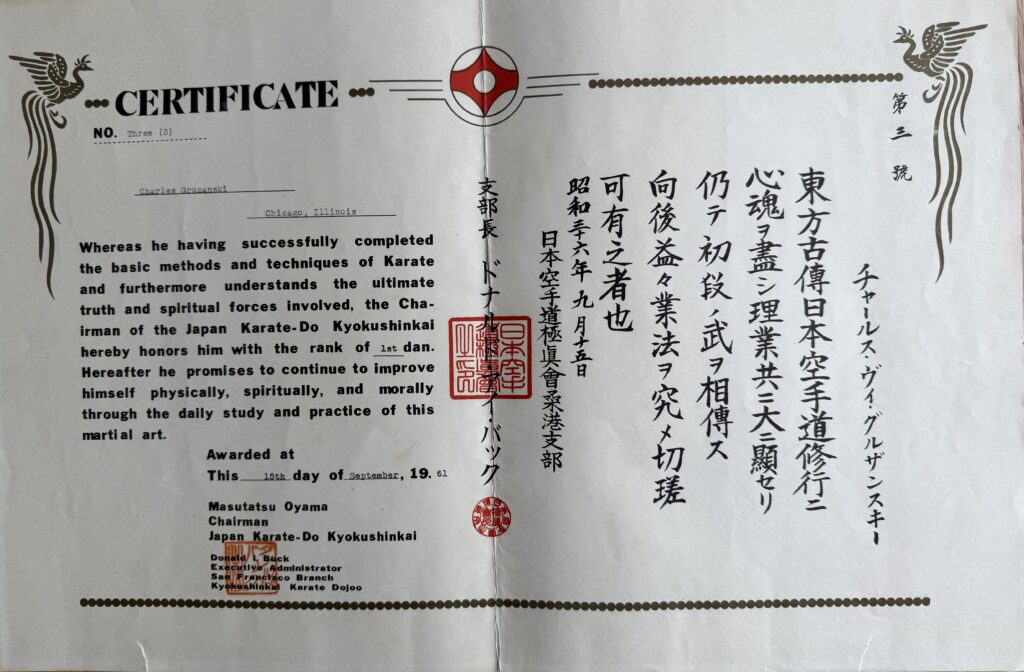
Kyokushinkai karate 3rd dan school don buck Oyama signed
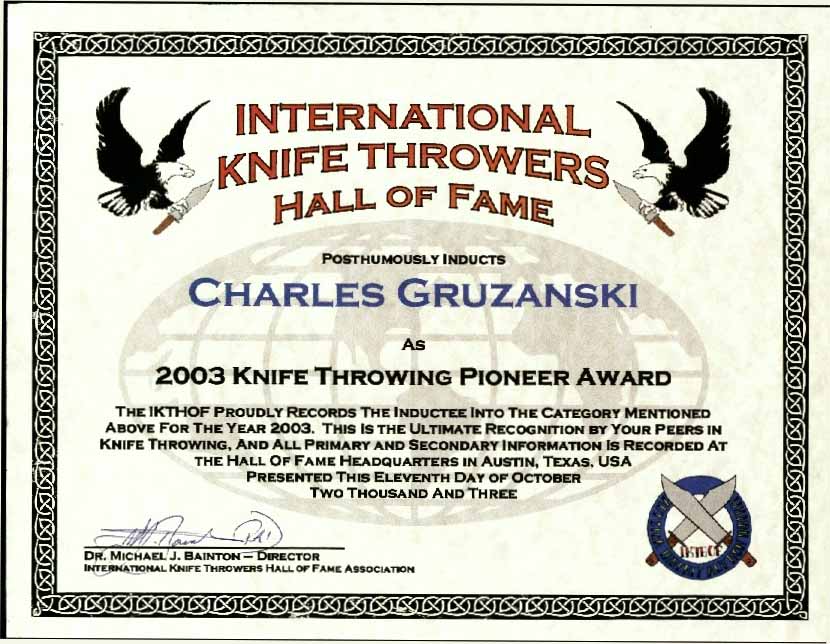
International knife throwers hall of fame award
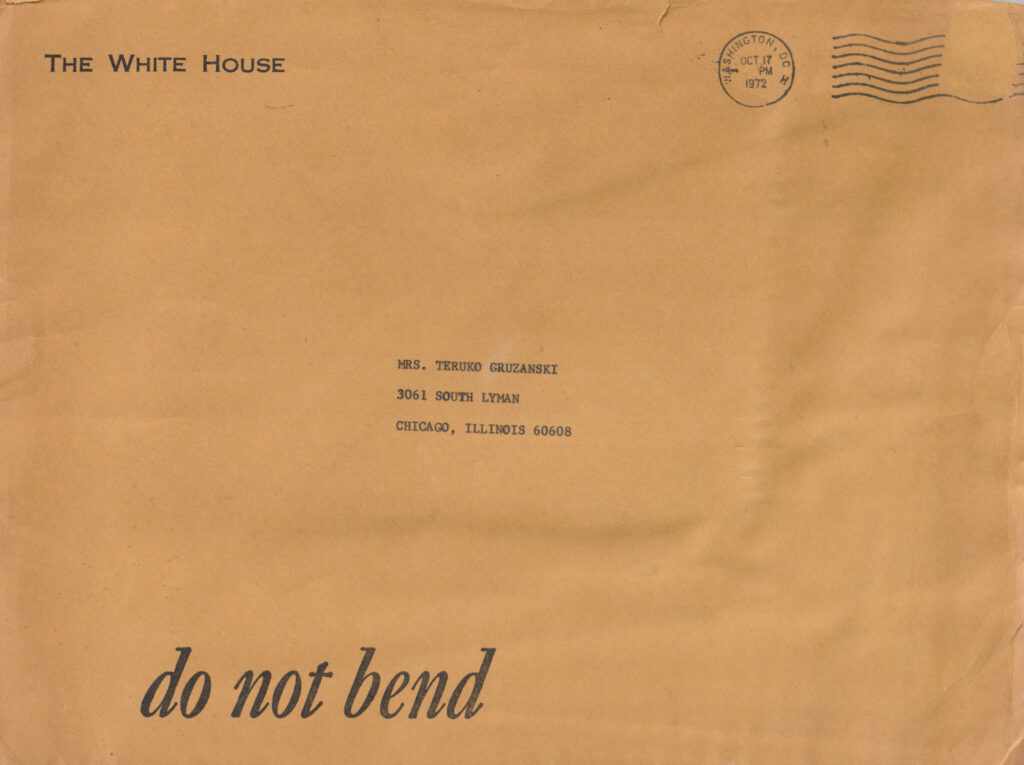
Richard Nixon White House envelope