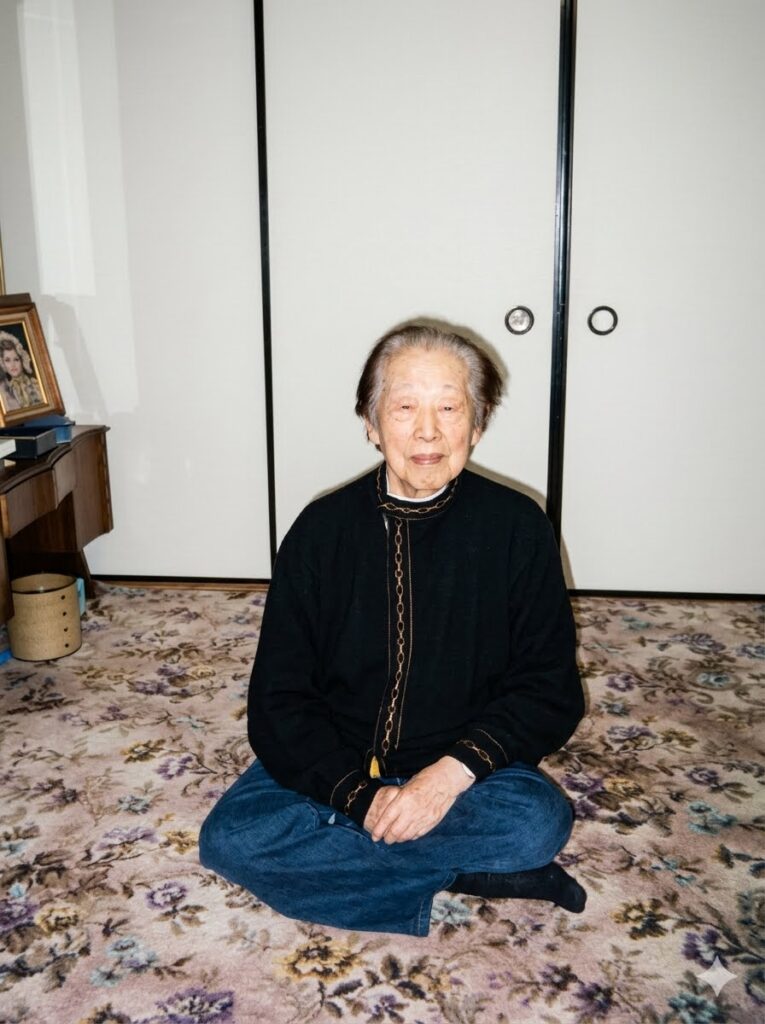
Grandmaster Yumio Nawa
(1912 - 2006)
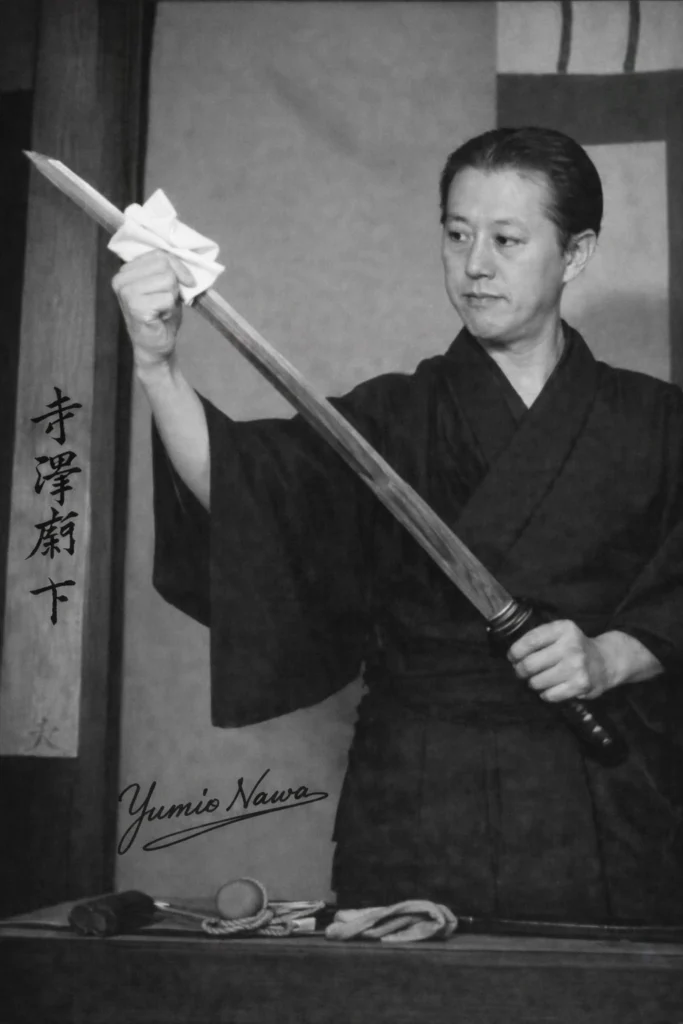
Yumio Nawa, born Nawa Sadatoshi in Yahata City, was a legendary Japanese martial artist, historian, author, and researcher. Globally revered as the 10th Grandmaster (Soke) of Masaki-ryū Bujutsu, he stood as the world’s foremost authority on Edo-period law enforcement weaponry, ancient capture techniques, and authentic Ninjutsu history. Throughout his long and distinguished career, he dedicated his life to preserving rare combative traditions, conducting exhaustive historical research, and thoroughly documenting classical samurai and shinobi arts for future generations.
1912
Lineage Begins
Born on January 5, inheriting a profound warrior legacy.
1960
Scholarly Breakthrough
Declassified centuries of hidden martial lore in History Magazine.
1962
Media Phenomenon
Dominated national print media, unveiling secret feudal police tactics to the public.
1977
Definitive Masterpiece
Published Zukai Kakushi Buki Hyakka, the ultimate encyclopedia on hidden weapons.
2006
Immortal Legacy
Passed away, leaving an indelible imprint upon modern martial arts history.
Martial Arts Mastery and Lineage
Nawa's lifelong devotion to combative systems began during his youth at Okura Junior High School. Through decades of rigorous physical conditioning, combative application, and exhaustive academic research, he achieved absolute master-level command over several highly specialized, classical Japanese weapon traditions:
つづいてくる人皆鎖の環となりて
永久に伝えよ萬力のわざ
Those who follow become links in the chain -
carrying these teachings forward for eternity.
Yumio Nawa
Masaki-ryū Manrikigusari Jutsu Dōka Hyakushu Sen
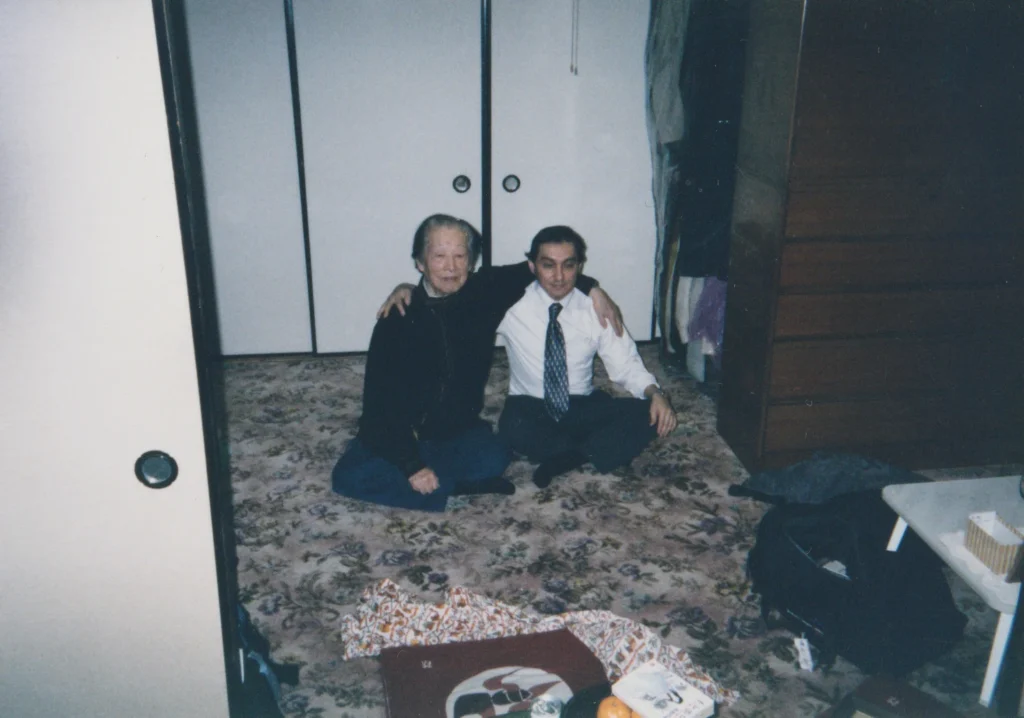
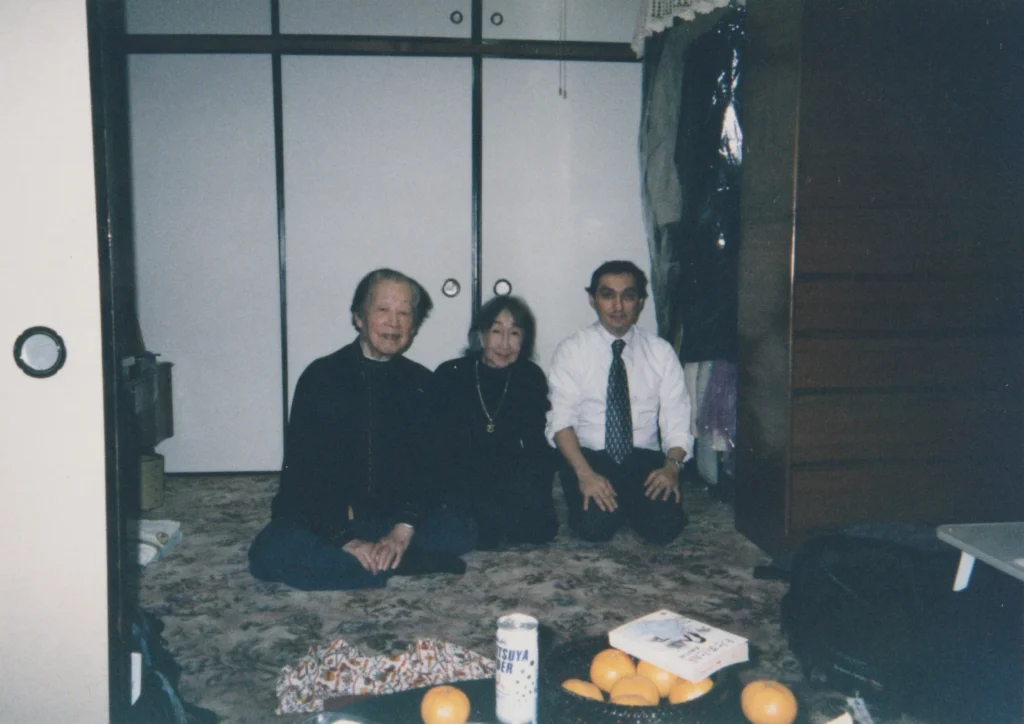
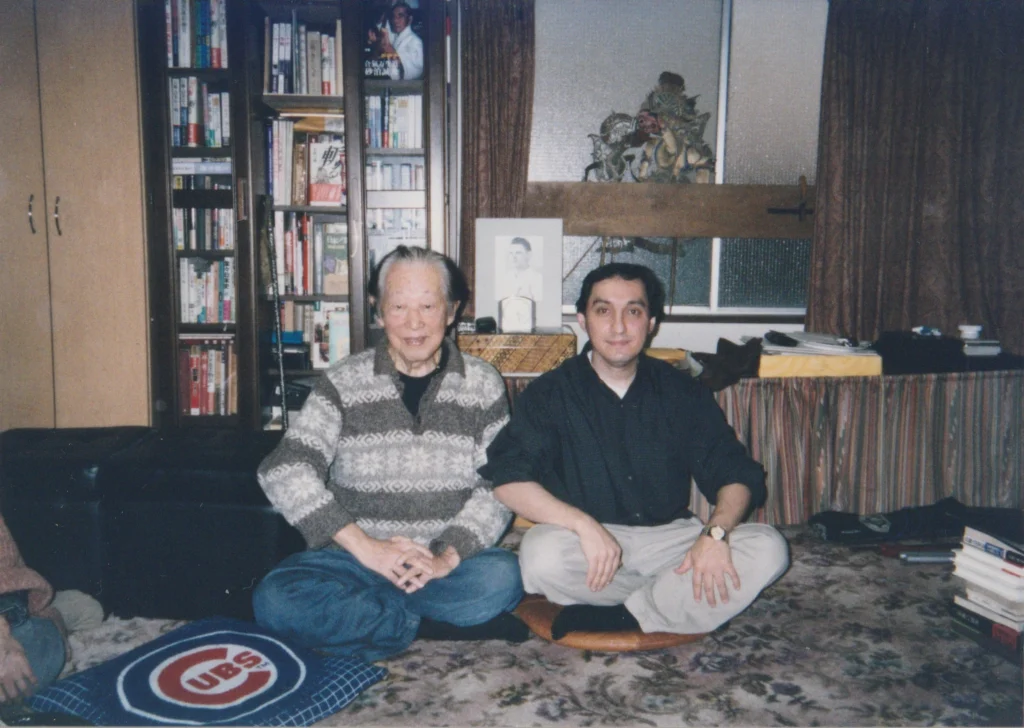
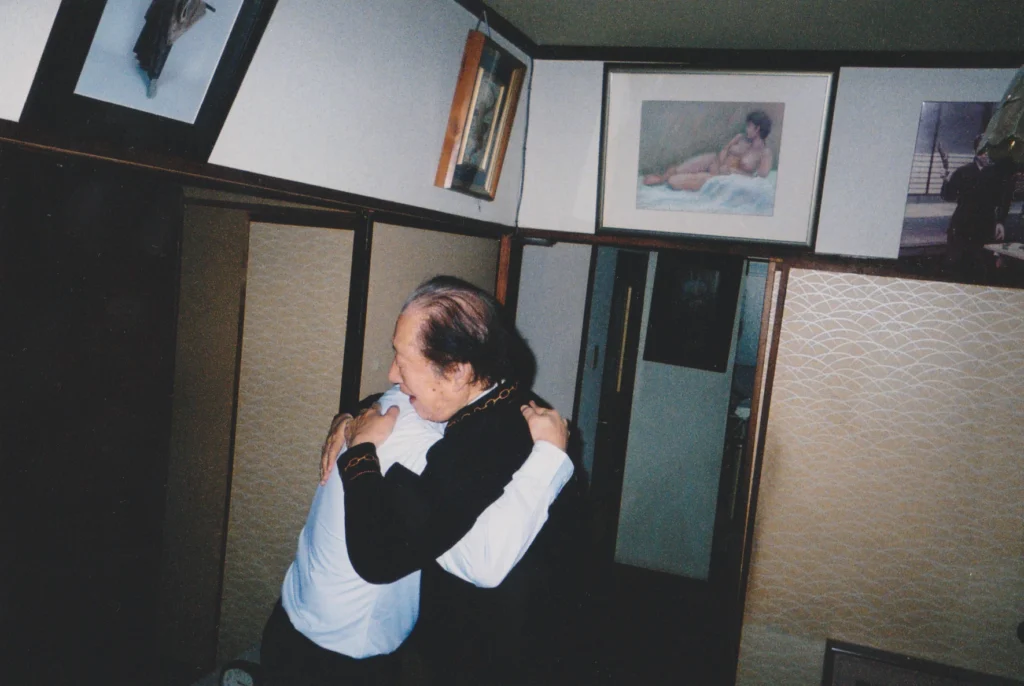
The Postwar Turning Point & Charles V. Gruzanski
For over two centuries, Masaki-ryu was a strictly guarded secret art. Nawa was strictly told by his grandfather and father that Masaki-ryu Manrikigusari-jutsu must never be taught to anyone outside their immediate lineage. However, a historic encounter during the post-WWII Allied occupation of Japan permanently changed the trajectory of the art.
Charles V. Gruzanski, serving in Japan as an American Military Police (MP) officer, tracked Nawa down using data gathered from U.S. 8th Army intelligence files in Yokohama. Recognizing Nawa as the leader of Masaki-ryu, Charles traveled nearly eight hours by Jeep from his station in Hakata to Nawa's studio in Yahata City, earnestly begging to be taught Kusari-jutsu.
Initially, Nawa refused due to family law. However, under the strict rule of the U.S. 8th Army, traditional martial arts faced severe restrictions—traditional revenge-themed theater was banned and samurai swords were widely forfeited. Fearing that Masaki-ryu would be entirely outlawed and lost to history if kept in the shadows, Nawa made the monumental decision to break family tradition. He chose to preserve the art by passing it on to Charles, who became his beloved disciple and closest friend.
Charles earned a Menkyo Kaiden (Master Instructor’s License) in the arts of Masaki-ryu, officially recognizing him as Nawa’s very first and favorite disciple, and the first Western authority on these ancient combat methods.
Throughout this lifelong friendship, the bond extended deeply to their families. Nawa held fond memories of Charles's wife, Mrs. Teruko Gruzanski, whom he remembered warmly alongside Charles. Upon learning of her passing, Nawa expressed immense respect and sorrow, praying for Teruko’s soul from far away in Japan and holding the family's memory dear to his heart across the decades.
Michiko Nawa - Family & Legacy
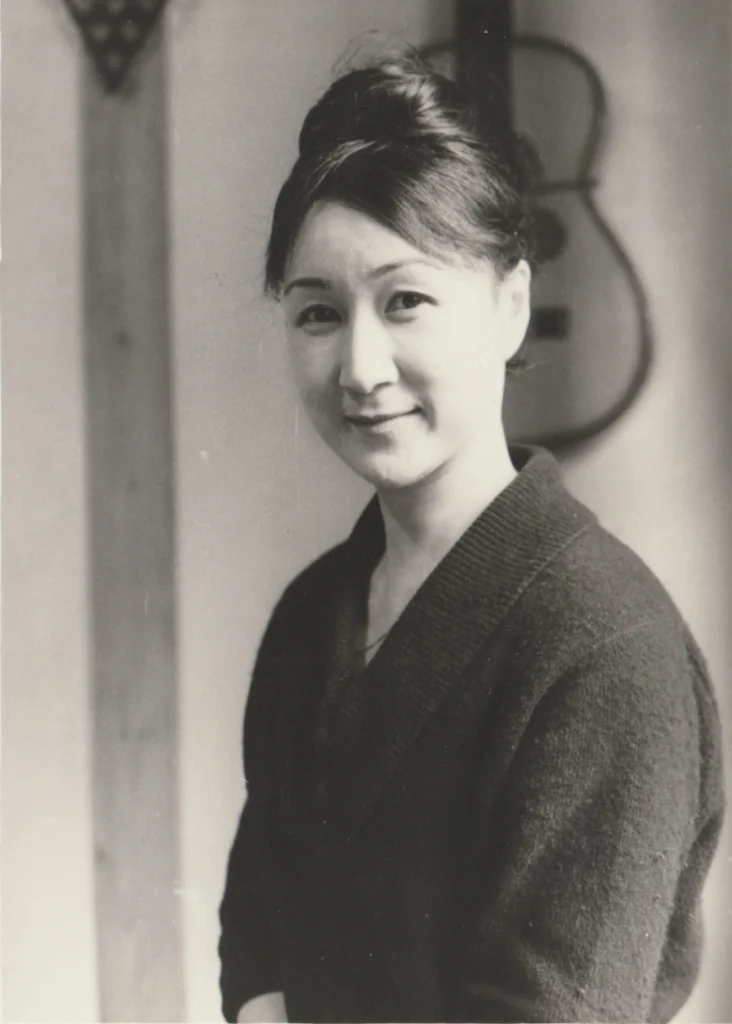
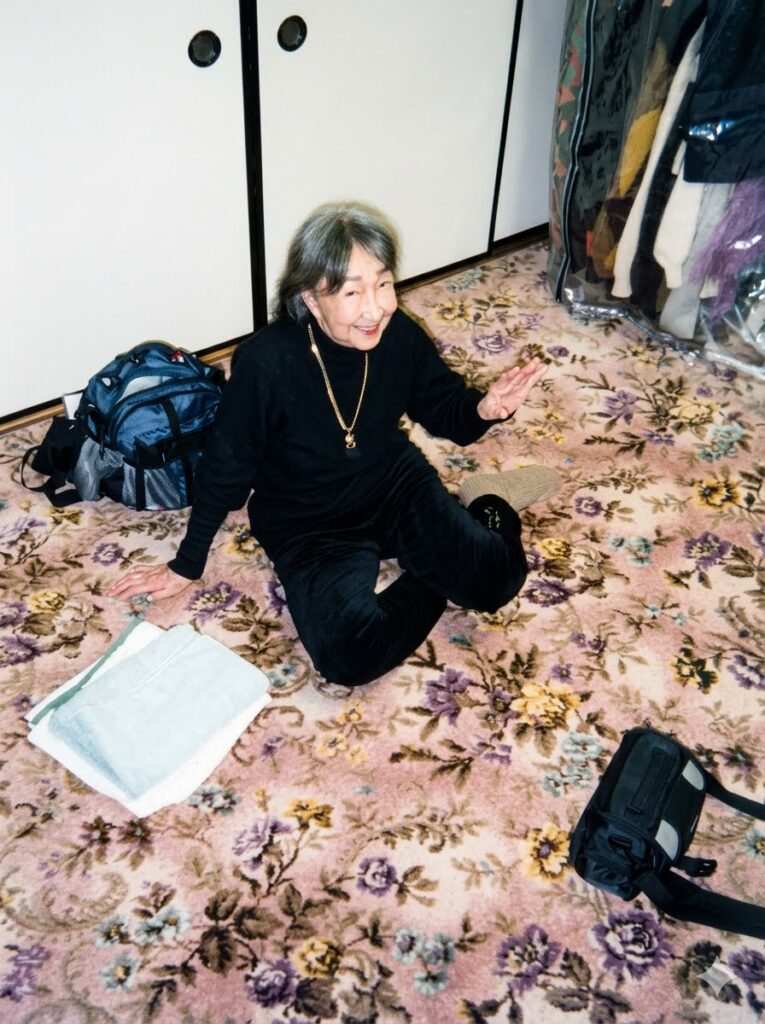
A central, invaluable presence in Grandmaster Nawa’s life and work was his wife, Michiko Nawa (名和道子). Possessing a refined elegance and a fierce passion for classical performance, Michiko achieved prominence as an accomplished creative dancer. Deeply trained in the expressive, avant-garde Western movement styles of the legendary Russian dancer Alexander Sakharoff and traditional Spanish flamenco, her mastery of dance carved out a formidable independent artistic profile.
Michiko was far more than a supportive spouse; she was a vital artistic and administrative pillar of the Masaki-ryu legacy. Within their private Komagome estate in Tokyo, she helped operate a unique, active space that functioned seamlessly as both a traditional martial arts dojo and a creative dance studio, coordinating the family's vast historical archives while keeping her own rhythmic discipline alive alongside ancient combat traditions.
Her immense warmth, grace, and hospitality left an indelible impression on the few international guests granted rare access to the Tokyo residence. For over forty years, she served as a vital cross-continental anchor for the family’s deep connection to the Gruzanski line, personally welcoming Robert to visit the aging Grandmaster Yumio Nawa. Her custom handwritten dedications, preserved directly within the Robert Gruzanski Archives, remain as a permanent physical testament to an enduring generational bond.
Historical Scholar and Media Advisor
Beyond the dojo, Nawa was an esteemed independent historian and a leading technical advisor to municipal preservation boards, verifying feudal history through extensive material culture and physical artifacts. Operating as a world-class authority on Edo-period martial systems, he accumulated a globally renowned personal collection of authentic, authenticated jutte, specialized law enforcement apprehension implements (Torimono Dōgu), and historically classified shinobi documents that provided the foundation for modern academic understanding of samurai-era security forces.
His peerless historical expertise made him an invaluable authoritative resource to the Japanese government and cultural ministries. For decades, he served as the premier historical and classical combat consultant for NHK (Japan Broadcasting Corporation), where he took hands-on control of choreography, weapon realism, and institutional accuracy across monumental Jidaigeki period dramas, feature cinema, and traditional theatrical productions, permanently shaping how feudal history is visually preserved.
Michiko Nawa — Personal Dedications & Family Archive
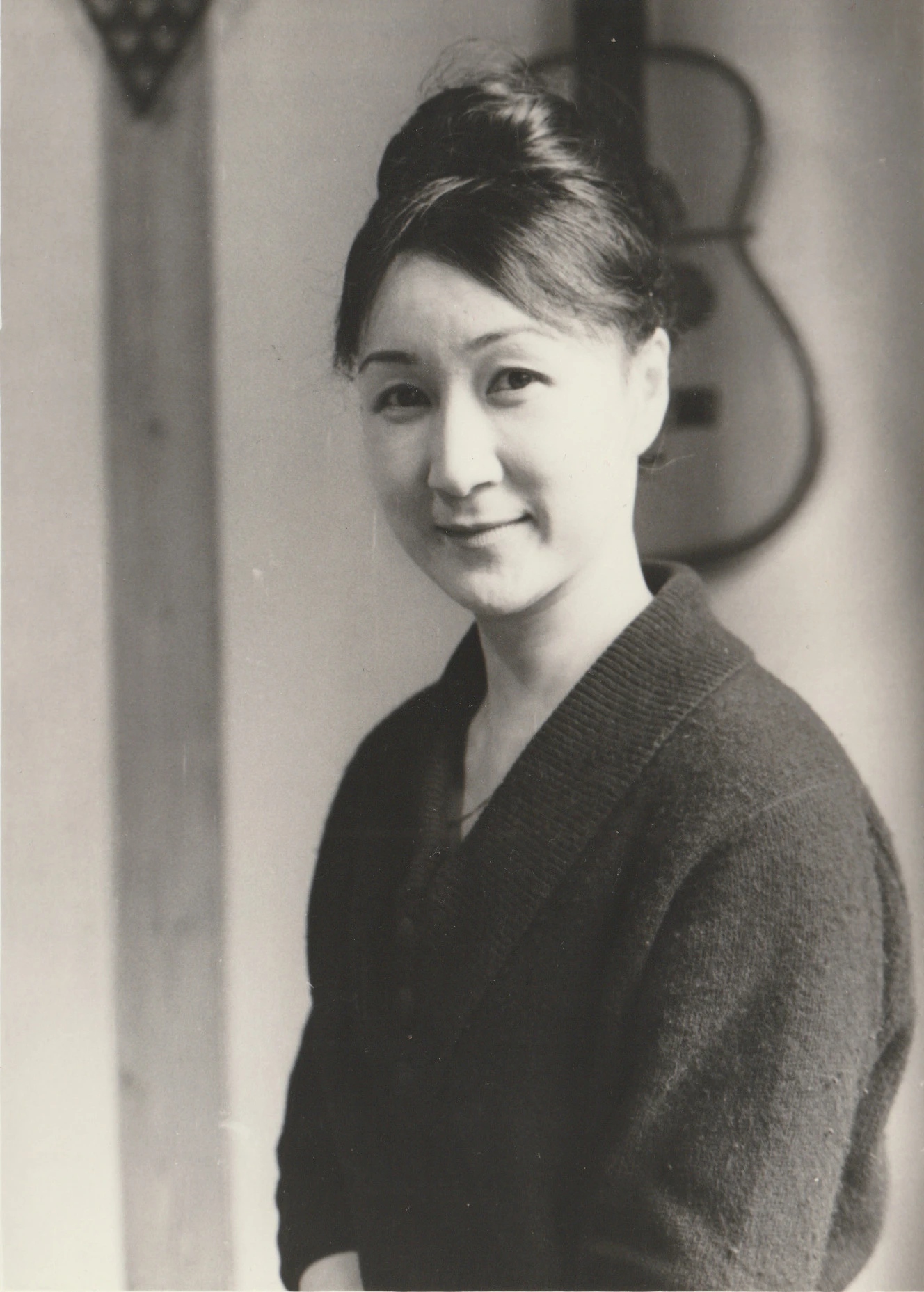
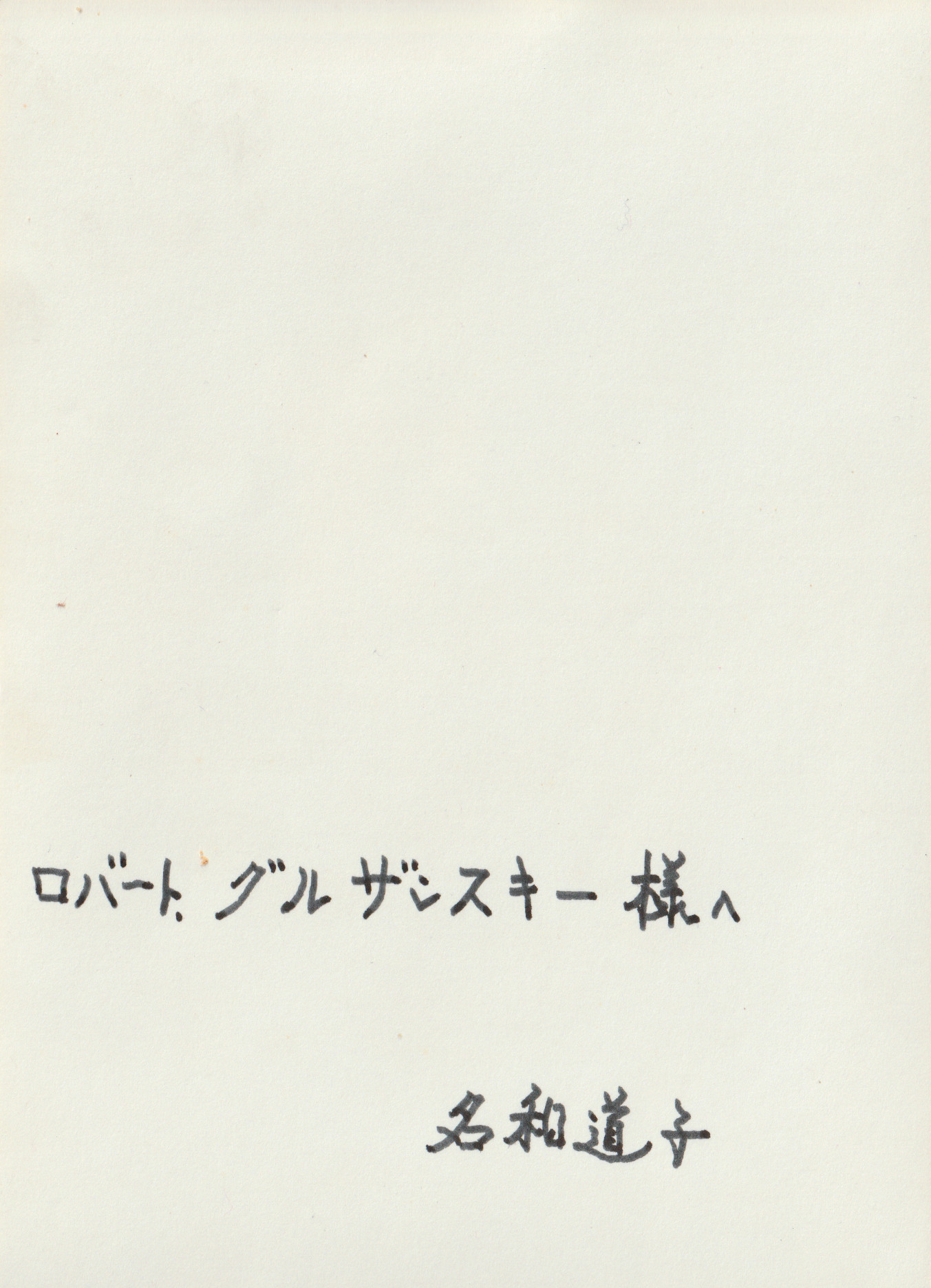
ロバート・グルザンスキー様へ
名和道子
“To Mr. Robert Gruzanski, From Michiko Nawa”
An elegant studio portrait of Michiko Nawa. A traditional acoustic stringed guitar rests on the wall behind her, subtly highlighting her musical background and artistic legacy. The reverse side of the original print features her handwritten signature and a personal dedication to Robert Gruzanski, preserving a direct historical connection between the Nawa family and the Gruzanski Archives.
Click photo to view handwritten dedication.
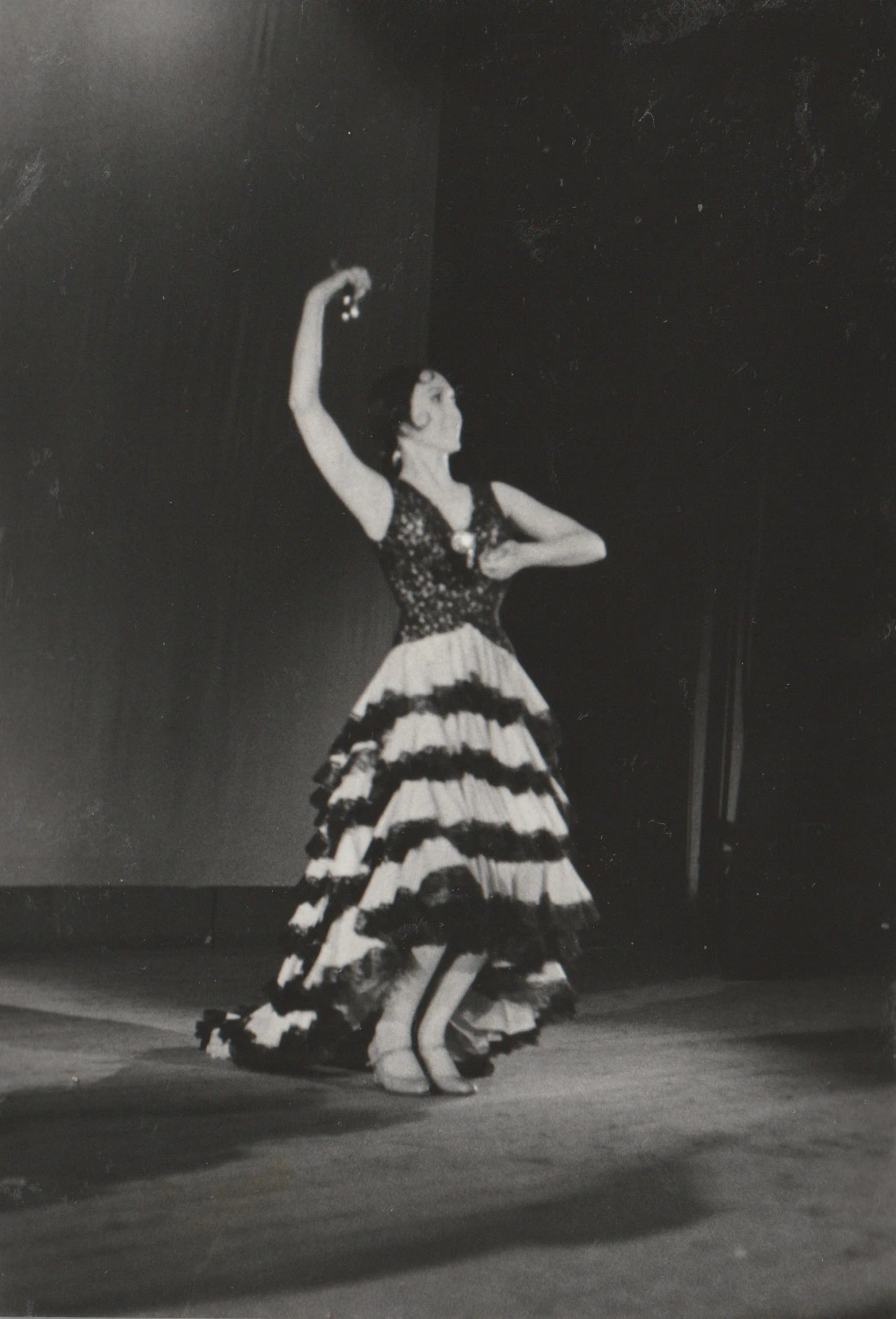
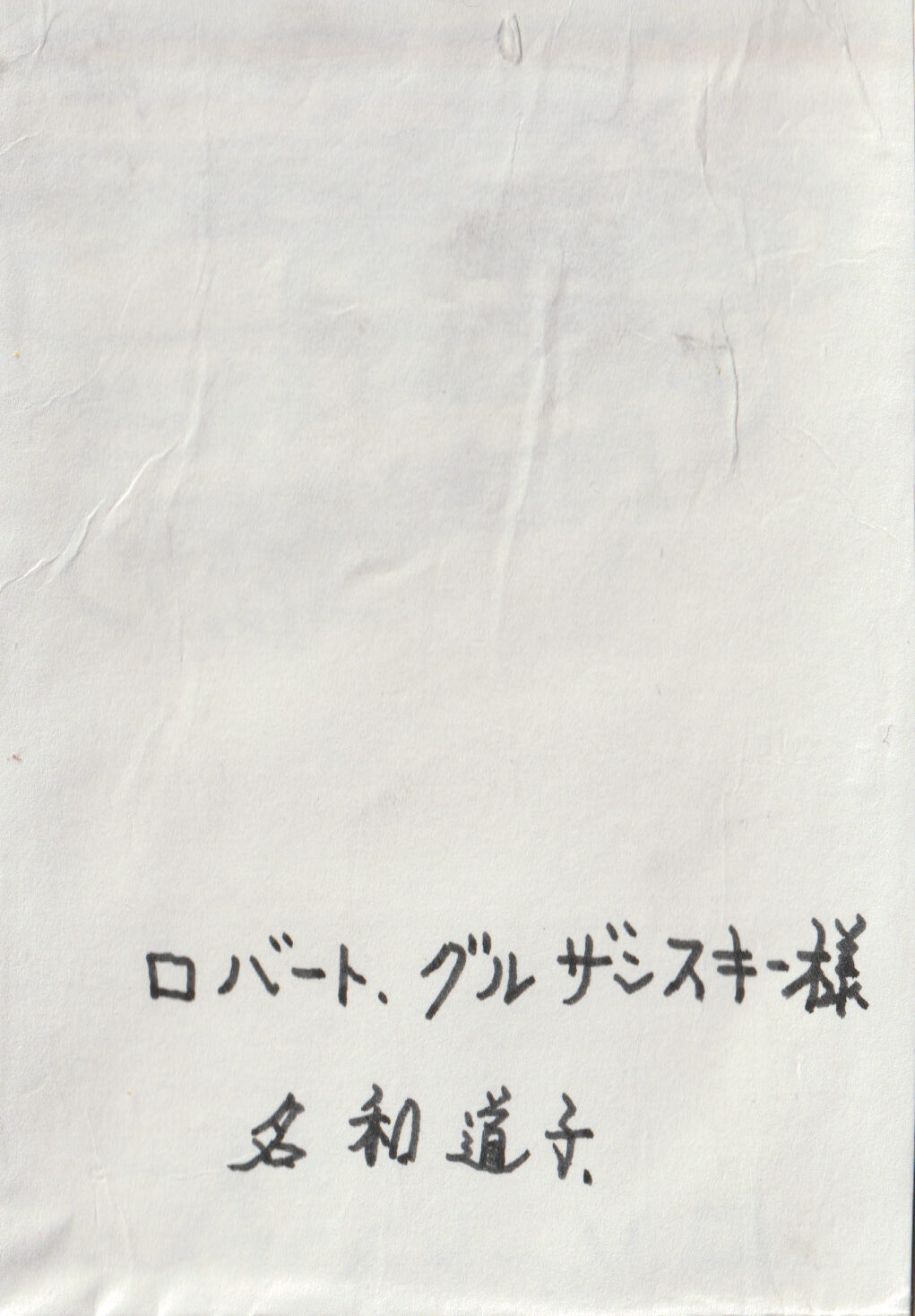
ロバート・グルザンスキー様へ
名和道子
“To Mr. Robert Gruzanski, From Michiko Nawa”
A dynamic stage photograph capturing Michiko Nawa during a live Flamenco performance. Her elevated arm posture and layered dress reflect the elegance and theatrical energy of her international career. The reverse side contains her handwritten dedication and signature, addressed personally to Robert Gruzanski.
Click photo to view handwritten dedication.
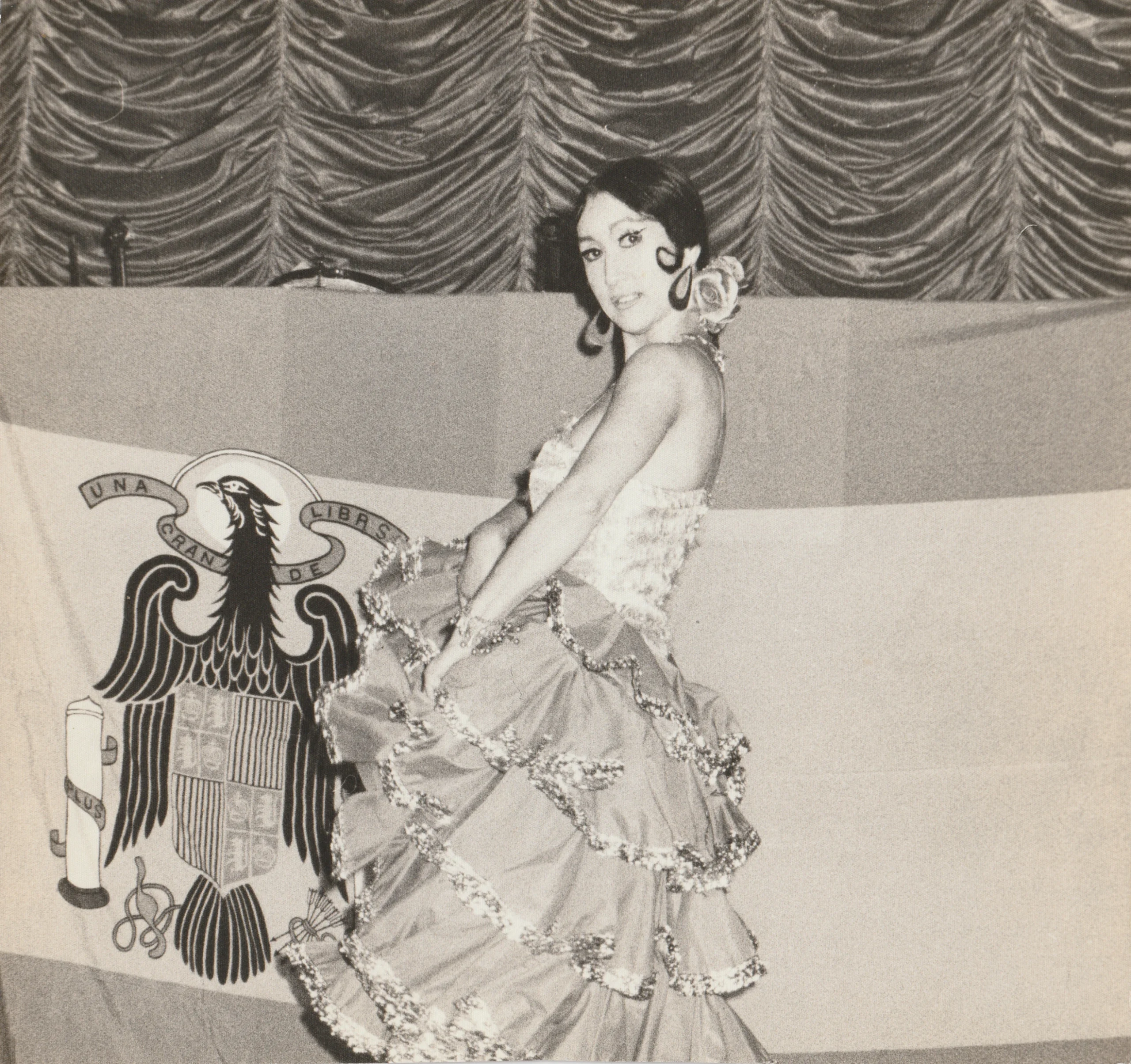
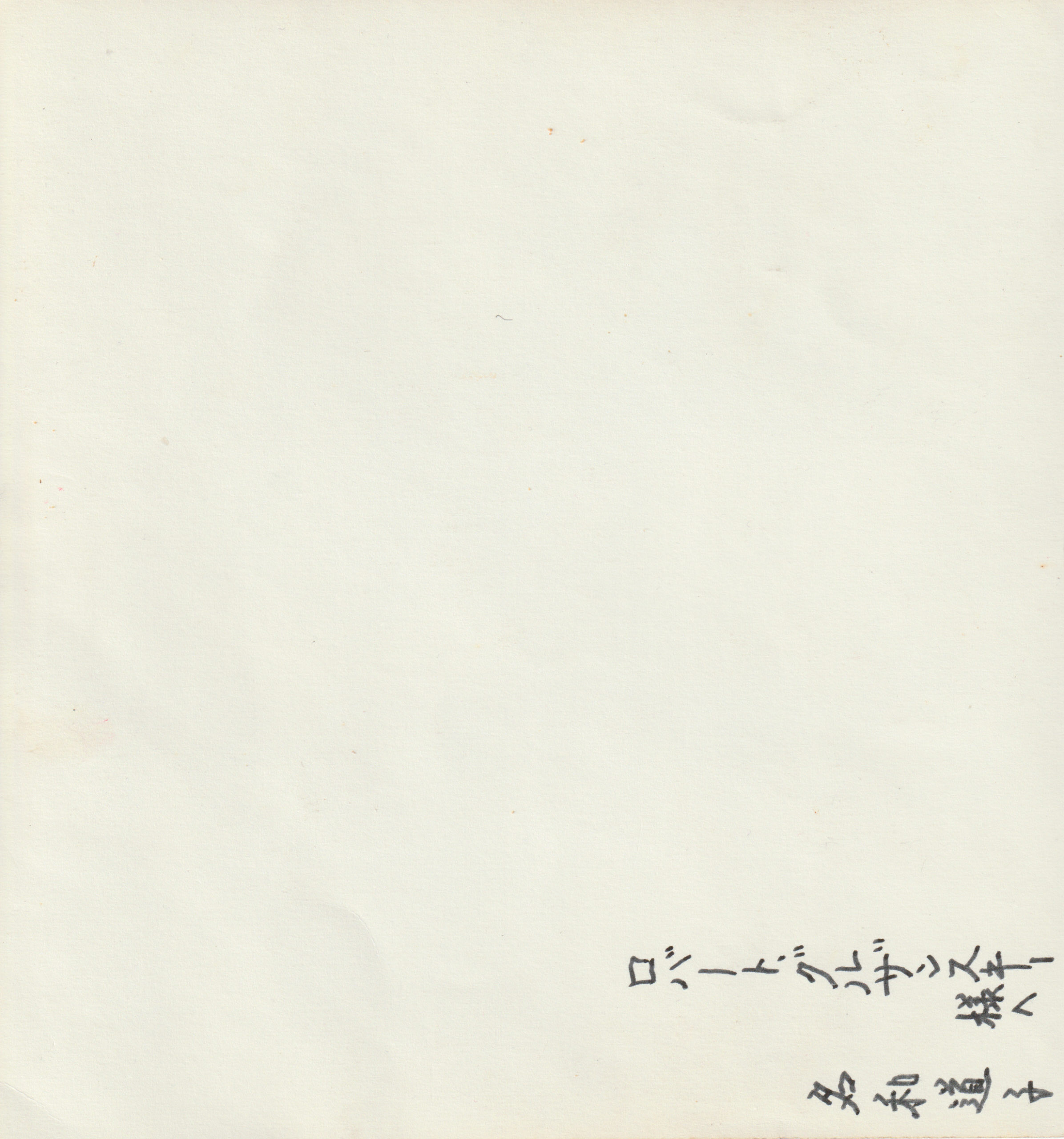
ロバート・グルザンスキー様へ
名和道子
“To Mr. Robert Gruzanski, From Michiko Nawa”
An archival photograph of Michiko Nawa posed before a historic Spanish flag featuring the Franco-era eagle crest. Her layered costume and floral hair ornament beautifully reflect the mid-century atmosphere of international Flamenco culture. The reverse side contains a handwritten personal dedication and signature addressed to Robert Gruzanski.
Click photo to view handwritten dedication.
Literary Work and Modern Legacy
Nawa was a prolific author who penned numerous definitive texts, preserving obscure tactical traditions for modern generations. His landmark Japanese books include The Study of Jutte and Captive Ropes and The Study of Ninjutsu: The Path to Surviving in the Modern World. Following Robert's monumental visit in November 2004, Headmaster Nawa directly dedicated two feature articles in Japan’s prestigious Hiden Magazine (April 2004 and February 2005) to document this generational link.
This knowledge was shared with the West through Charles V. Gruzanski’s seminal book, Spike and Chain: Japanese Fighting Arts (later published as Ninja Weapons: Chain and Shuriken), which was dedicated directly to Nawa. This historic cross-cultural bridge began in post-war Japan when Charles located Headmaster Nawa's private residence using records from the Eighth Army headquarters in Yokohama. Traveling by military Jeep from his base in Hakata to train intensely at Nawa's studio, Charles built a profound martial bond that led Nawa to formally name him his "Number One Disciple" in personal letters, praising his spirit as the true embodiment of an ancient Samurai.
As a teacher at the Masakikai in Tokyo, Nawa influenced generations of prominent modern martial arts masters. Notably, he served as an early instructor to Masaaki Hatsumi, the founder of the Bujinkan, who also trained under Takamatsu Toshitsugu. In 1998, Nawa announced the abolition of the traditional Soke inheritance system for Masaki-ryu, transitioning the lineage into a preservation society structure to fulfill his famous Dōka (instructional poem): “Those who follow become links in the chain—carrying these teachings forward for eternity.”
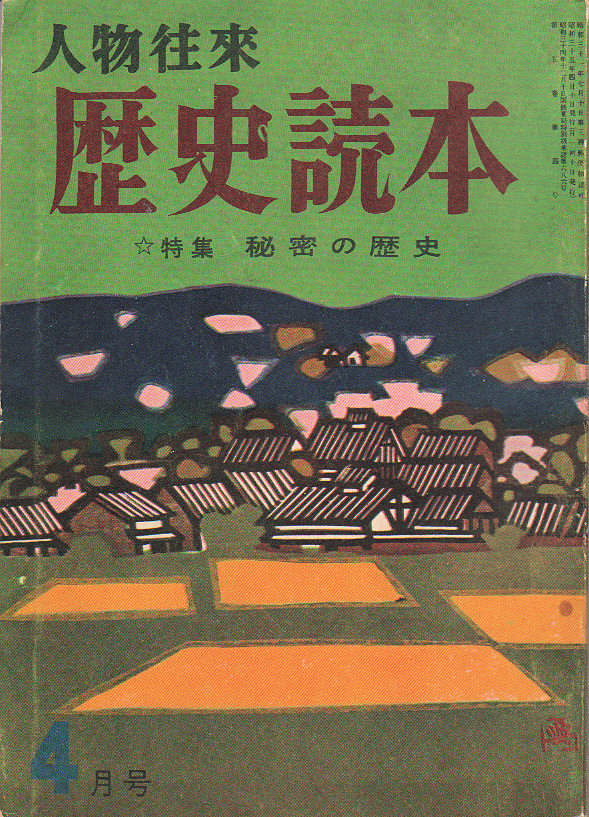
Rekishi Dokuhon dated April 1960
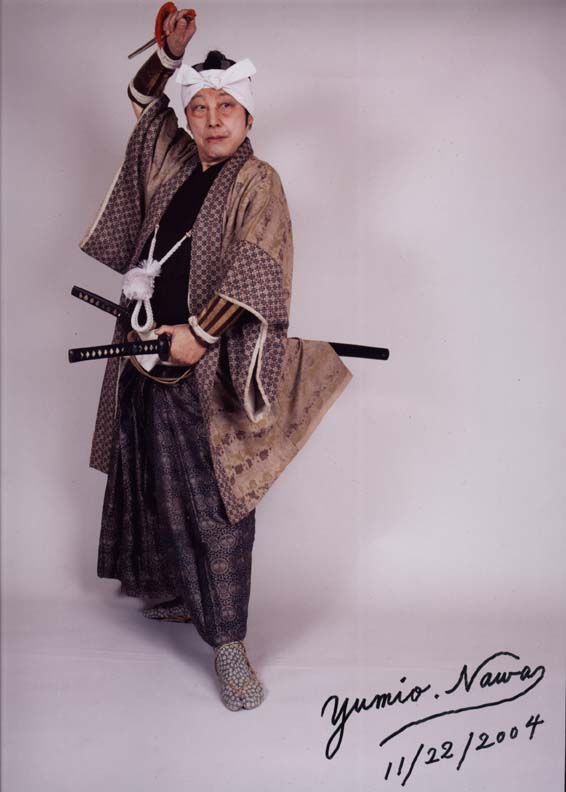
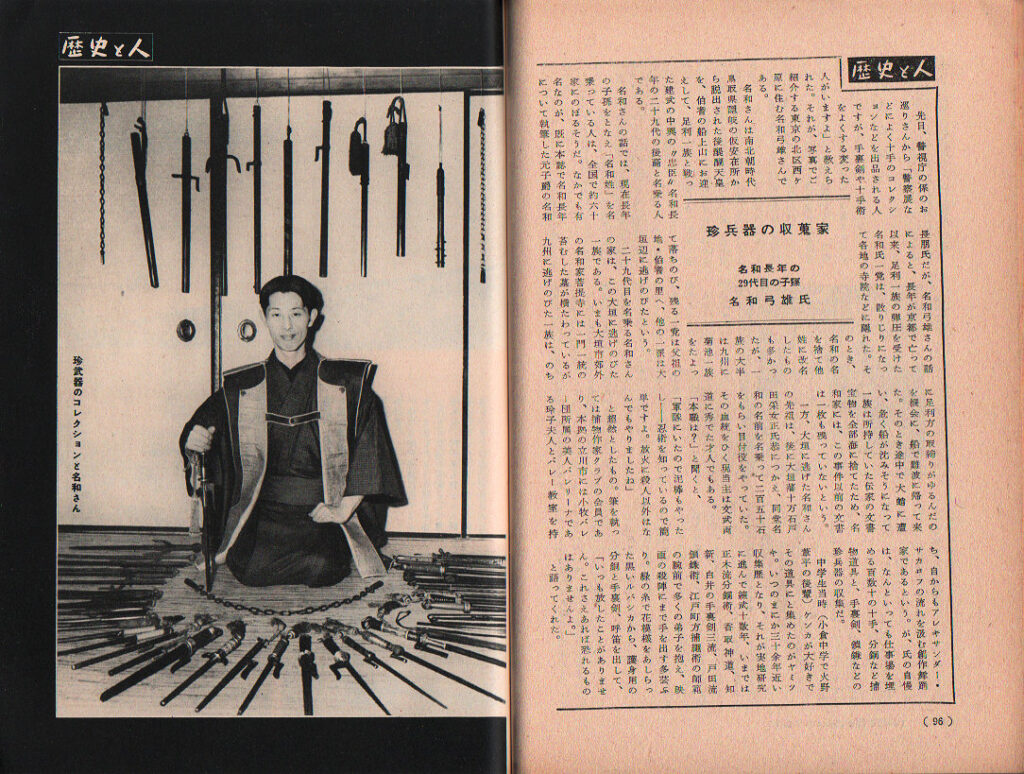
"Mr. Yumio Nawa, the 29th-generation descendant of the Nawa family, is a collector of rare weapons who brings ancient combat into the modern light."In this April 1960 feature, the editors of Rekishi Dokuhon take readers inside Nawa’s private world, revealing an obsession that began during his junior high school days. While the public knows him as an artistic classical dancer inspired by Alexander Sakharoff, his true passion lies on his tatami mats, surrounded by over 250 hidden martial artifacts. Rather than keeping a passive display, Nawa actively resurrects the lost combat systems of the jutte, kusari, and shuriken. This striking portrait amidst his arsenal was so iconic it reappeared on October 8, 1962, in a prominent Mainichi Shimbun newspaper feature titled "Tales of Contemporary Unusual, Incredible and Mysterious Men."
Written publications
See his various written publications below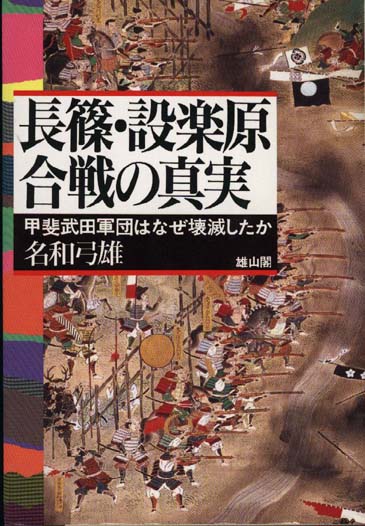
長篠設楽原合戦の真実
The Truth of Nagashino-Shidarahara Samurai Battle
June 5, 1998.
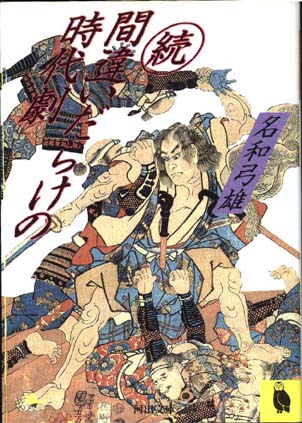
続・間違いだらけの時代劇 第二巻
Historical Plays Filled With Mistakes Volume 2
April 4, 1994
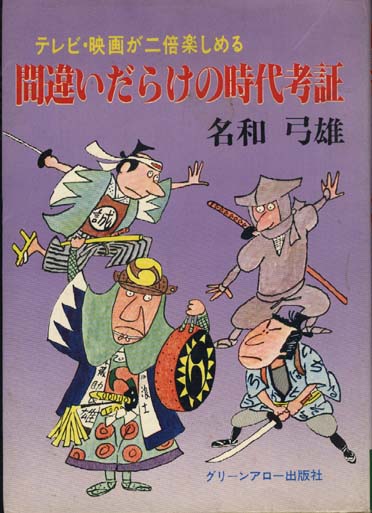
続・間違いだらけの時代劇 第一巻
Historical Plays Filled With Mistakes Volume 1
1980
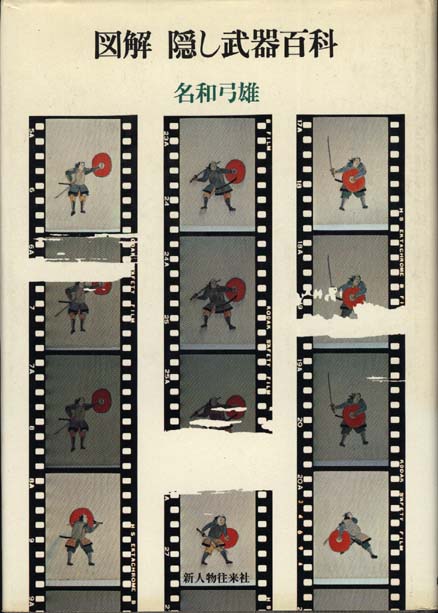
図解・隠し武器百貨
Illustrated Concealed Weapons Encyclopedia
January 3, 1977
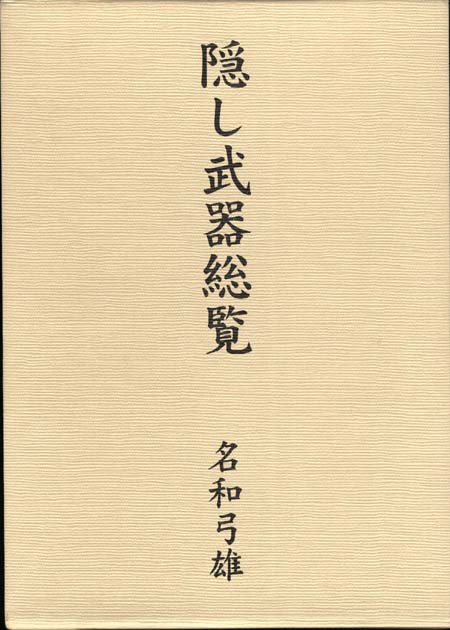
図解隠し武器総覧
Zukai kakushi-buki Soran (Illustrated Concealed Weapons)
January 25, 2002